September 5, 2019
Women’s political participation and development
On July 29th, 2019, Brookings India hosted Sonia Bhalotra for a Development Seminar on Women’s Political Participation and Development.
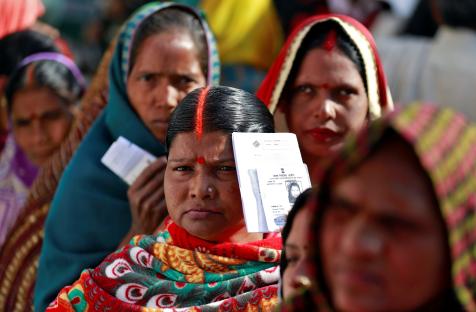
While there have been important advances in women’s leadership in politics, as of November 1 2017, women make up only 7.2% of Heads of State and 6.2% Heads of Government. Data on women representatives in local government, including as mayors, heads of villages and towns, is not well collected and analyzed. The adoption of an SDG indicator on women’s representation in local government is a great step forward in tracking progress on gender balance, allowing for the systematic collection and analysis of data on women in local government. Women’s access to and continued role in leadership positions is challenged by a range of barriers, including discriminatory laws and practices, as well as social norms that prescribe traditional roles and attitudes towards women’s participation in leadership and decision-making roles. Proactive gender-equality policies within political parties and local government structures, including quotas and special temporary measures, gender-sensitive approaches to electoral processes, support networks, mentoring, training, and engagement of male champions, can all help promote women’s role in political leadership.
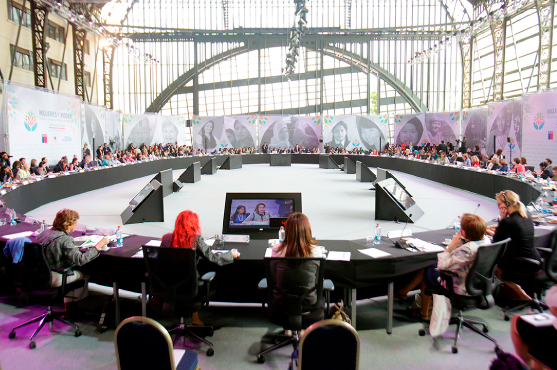

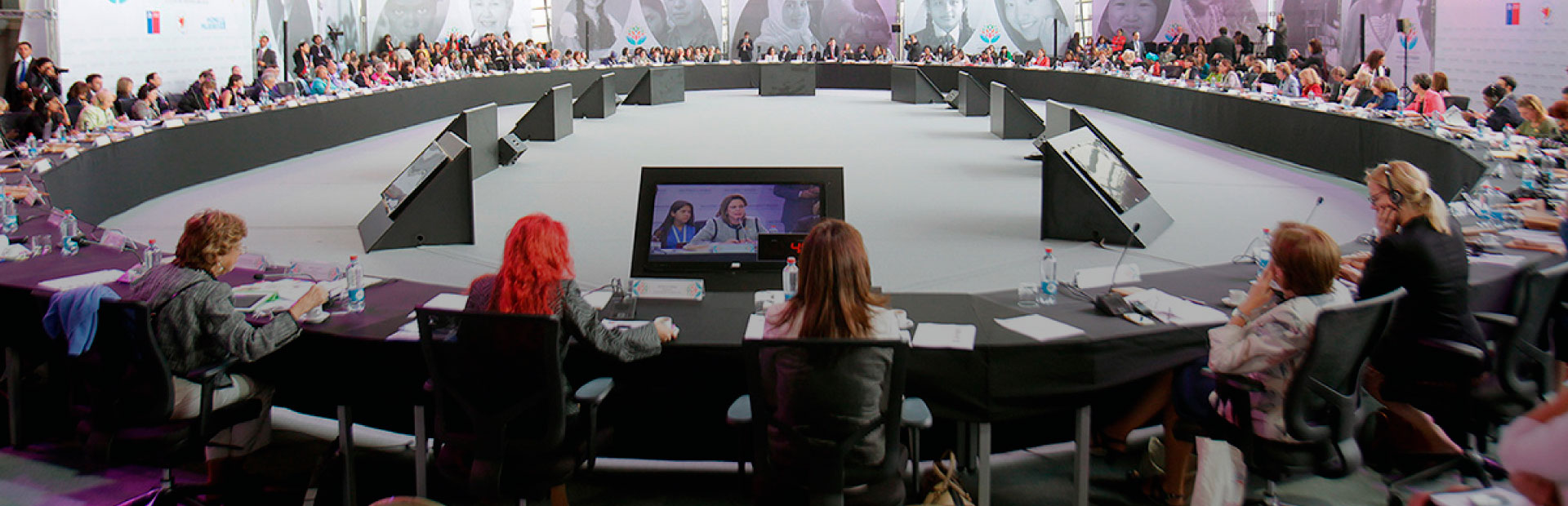
On July 29th, 2019, Brookings India hosted Sonia Bhalotra for a Development Seminar on Women’s Political Participation and Development.
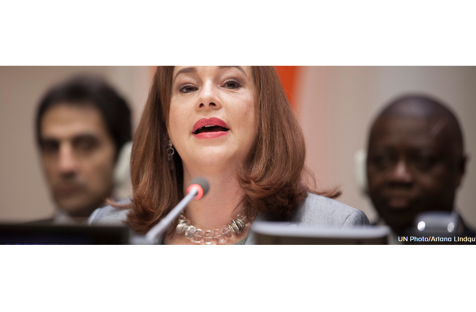
The Group of Gender Equality Leaders established by UN General Assembly (UNGA) President Maria Fernanda Espinosa Garces issued a set of recommendations on gender parity in education and access to health services, as well as promoting women’s “full an

The SDGs were adopted by all member states of the UN. A UNESCO report on gender equality in education demands that action must follow words. The authors propose using a “gender lens” to bring attention to social inequalities and reduce them.
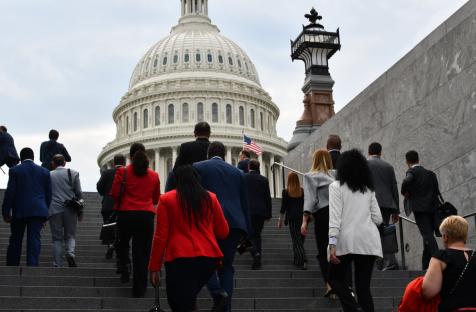
Last month, parliamentary leaders from across the globe visited Washington, D.C., to contribute to the first ever House Democracy Partnership (HDP) Leadership Forum, where they participated in peer-to-peer discussions on some of the most urgent threats to demo
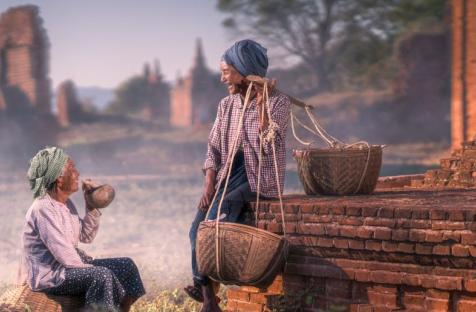
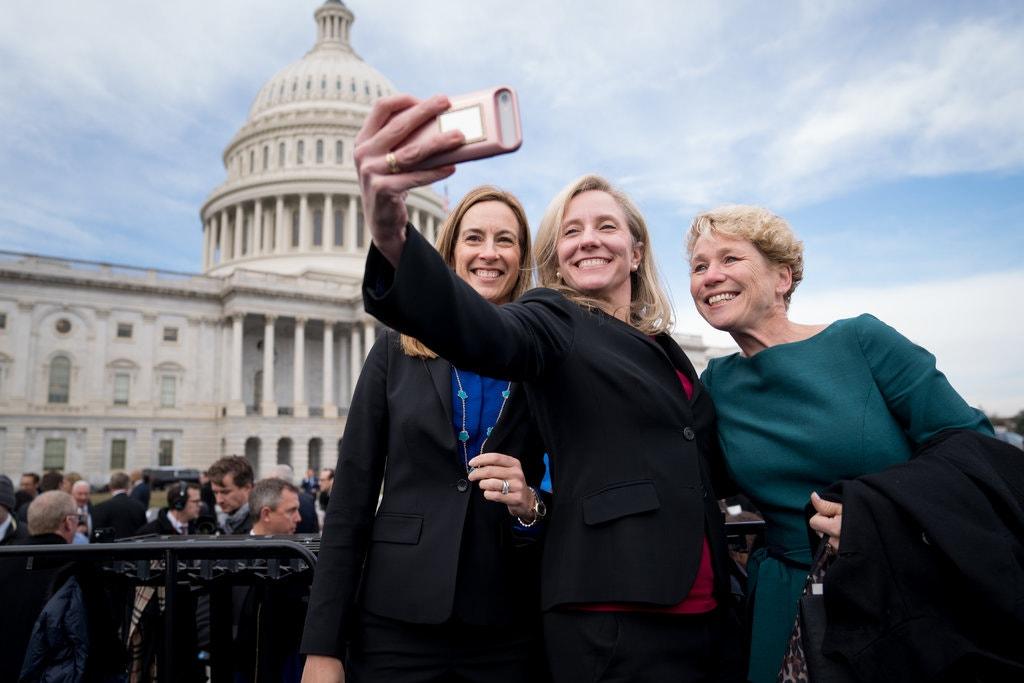
Across the world, people are making efforts to increase the number of women in government in order to reduce gender disparities and help ensure that the voices and concerns of women are heard.

The G7 leaders have been told to get rid of discriminatory gender laws that still exist on their statute books and begin enshrining equal rights in the legal system.
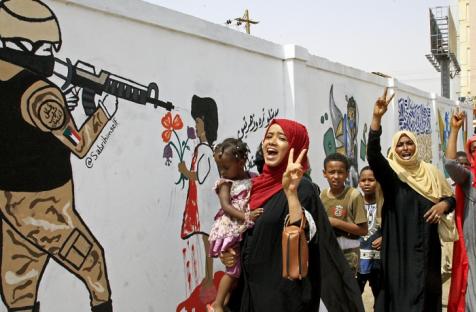
In Sudan, women are well-represented in the workforce. They are not lacking in any public spaces. And over the past few months, they have made up half, if not more, of the protest crowds making demands of their new transitional government.
By Kathleen Townsend,
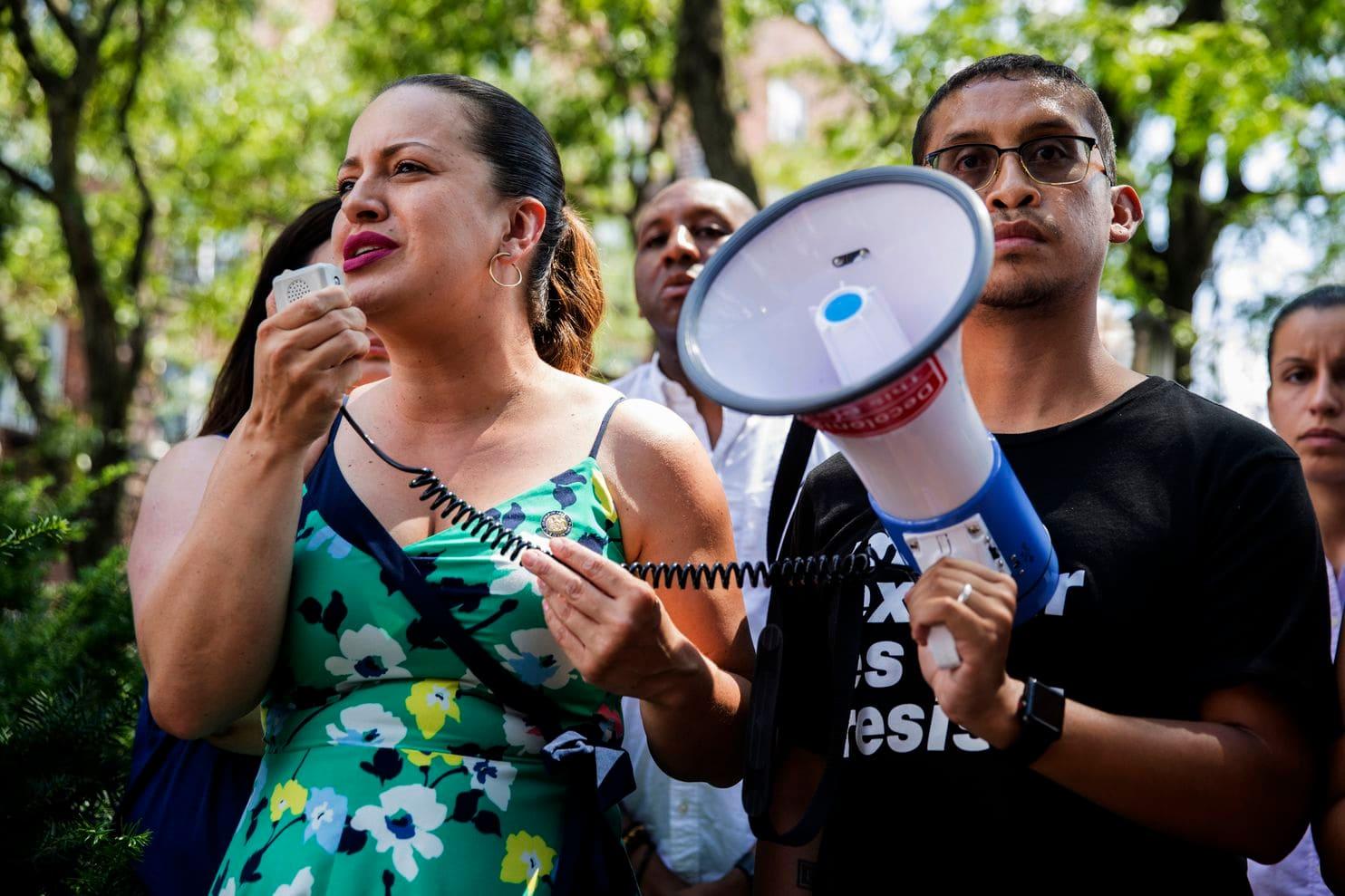
By Kathleen Townsend,
By Caitlin Moscatello,