July 12, 2019
Barriers to election remain high in quest for gender equality in Japan
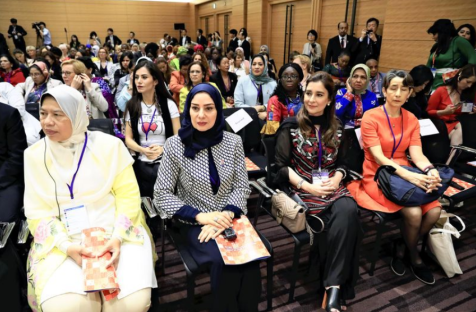
Why hasn’t Japan been able to eliminate the perception that politics is a man’s world?
While there have been important advances in women’s leadership in politics, as of November 1 2017, women make up only 7.2% of Heads of State and 6.2% Heads of Government. Data on women representatives in local government, including as mayors, heads of villages and towns, is not well collected and analyzed. The adoption of an SDG indicator on women’s representation in local government is a great step forward in tracking progress on gender balance, allowing for the systematic collection and analysis of data on women in local government. Women’s access to and continued role in leadership positions is challenged by a range of barriers, including discriminatory laws and practices, as well as social norms that prescribe traditional roles and attitudes towards women’s participation in leadership and decision-making roles. Proactive gender-equality policies within political parties and local government structures, including quotas and special temporary measures, gender-sensitive approaches to electoral processes, support networks, mentoring, training, and engagement of male champions, can all help promote women’s role in political leadership.
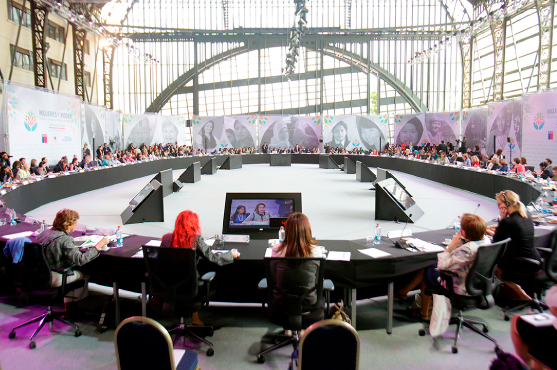

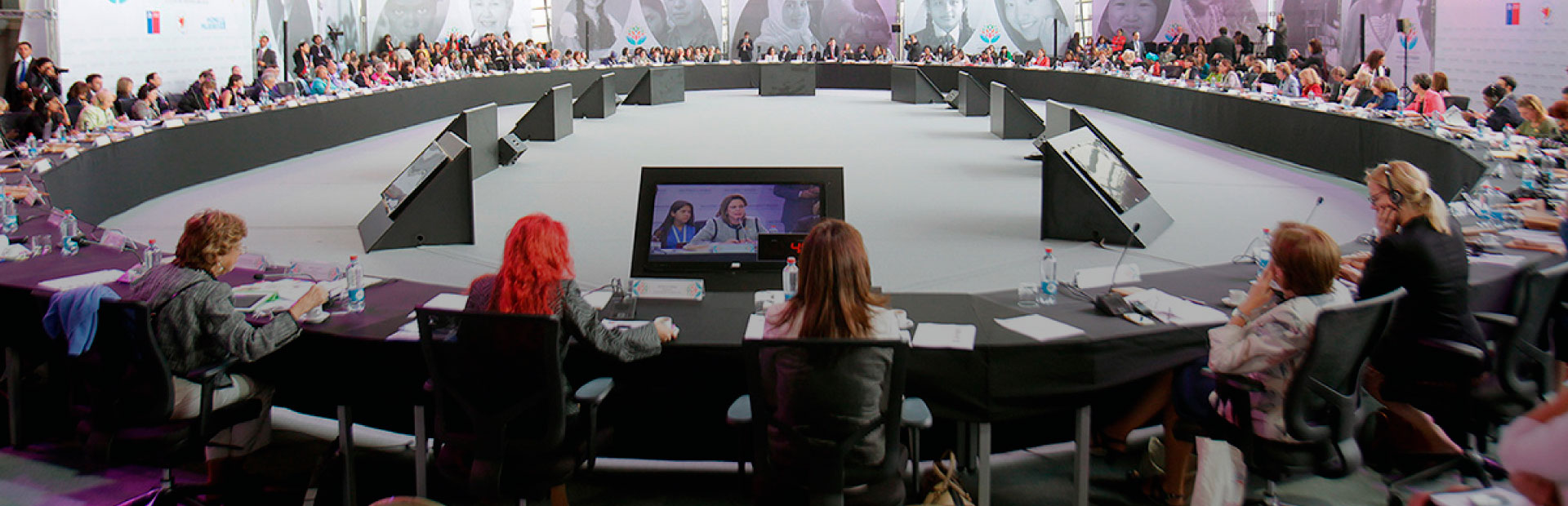
Why hasn’t Japan been able to eliminate the perception that politics is a man’s world?
The global average for women’s representation in parliaments was 24 per cent in January 2019.
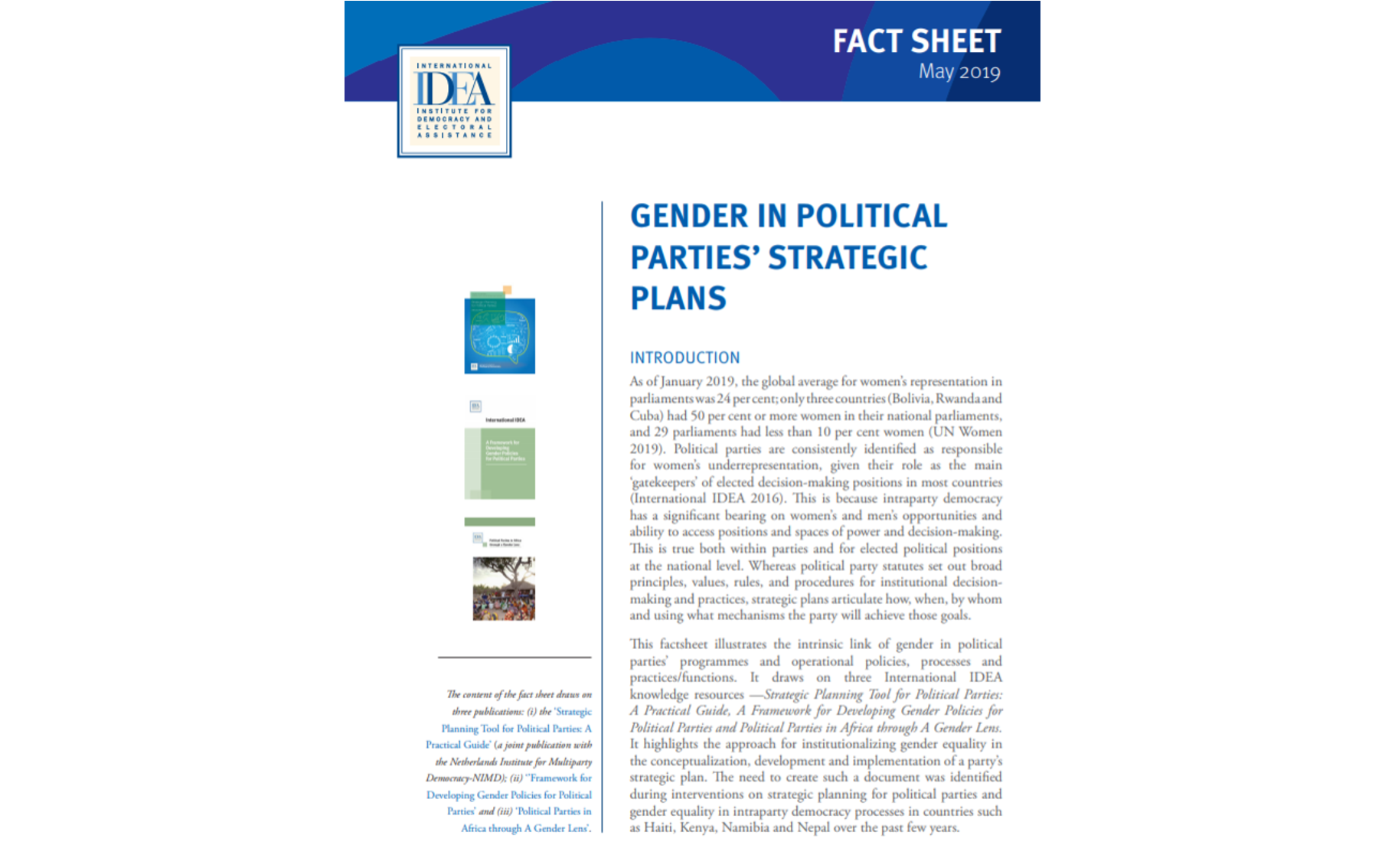
The global average for women’s representation in parliaments was 24 per cent in January 2019.
This Discussion Paper puts together relevant data on the inclusion of young people and women in European Parliament elections.

This Discussion Paper puts together relevant data on the inclusion of young people and women in European Parliament elections.
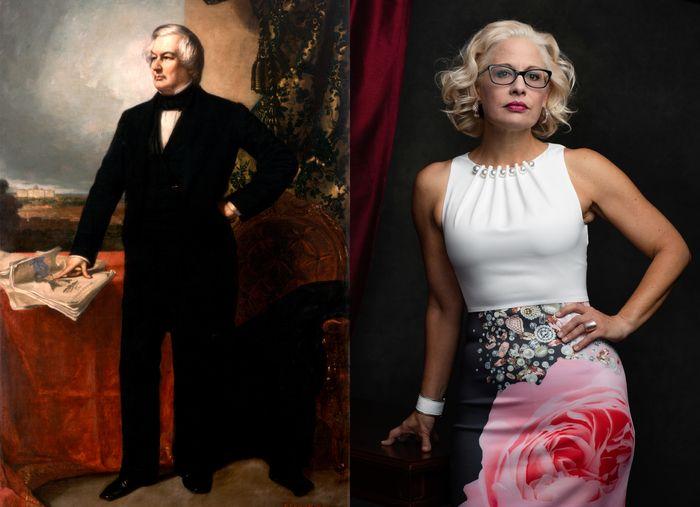
By Elizabeth Ralph,
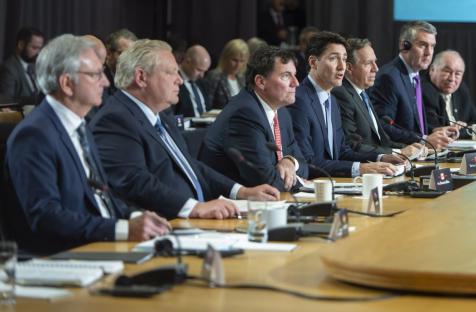
Canada’s 13 provincial and territorial leaders are in Saskatchewan this week, but for the first time in years, the annual gathering won’t have women at the table.
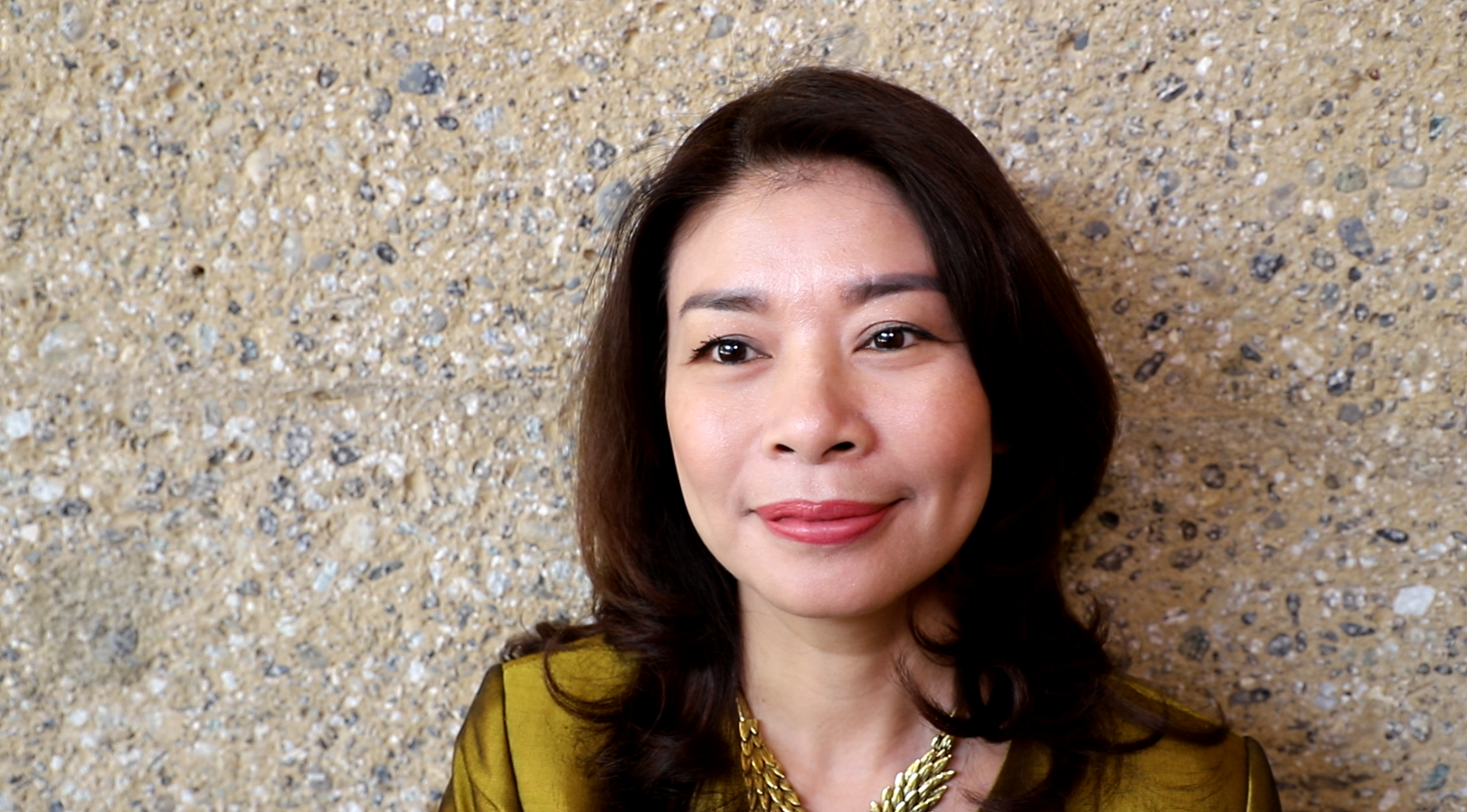
Despite attempts to portray Israel as a progressive country with equal rights and opportunity for all, we still have a way to go to make that a reality.

Despite attempts to portray Israel as a progressive country with equal rights and opportunity for all, we still have a way to go to make that a reality.
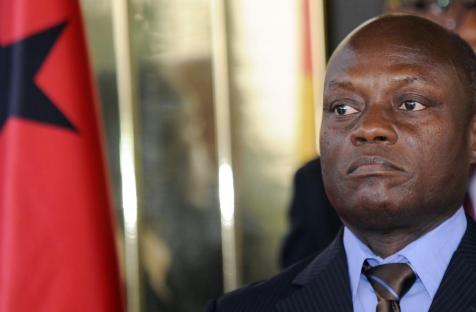
Guinea-Bissau's President José Mario Vaz has issued a decree appointing a 31-member government including 16 ministers and 15 deputy ministers, among them an unprecedented number of women, reports said on Thursday.
Violence against women in politics is increasingly recognized around the world as a significant barrier to women’s political participation, following a troubling rise in reports of assault, intimidation, and abuse directed at female politicians.

Violence against women in politics is increasingly recognized around the world as a significant barrier to women’s political participation, following a troubling rise in reports of assault, intimidation, and abuse directed at female politicians.