April 25, 2019
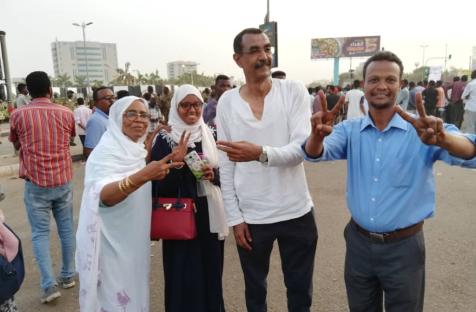
Sudanese women are right to demand parity in the transition
Sudan’s transition must be inclusive if it is to build a country for all Sudanese.
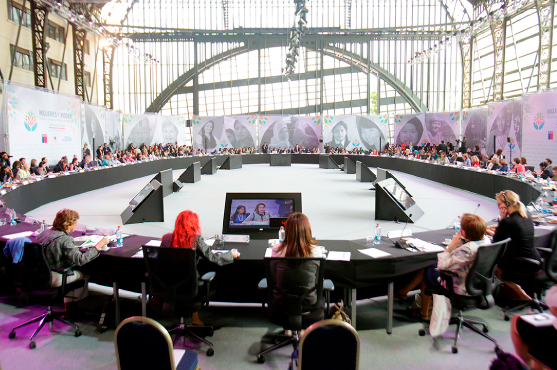
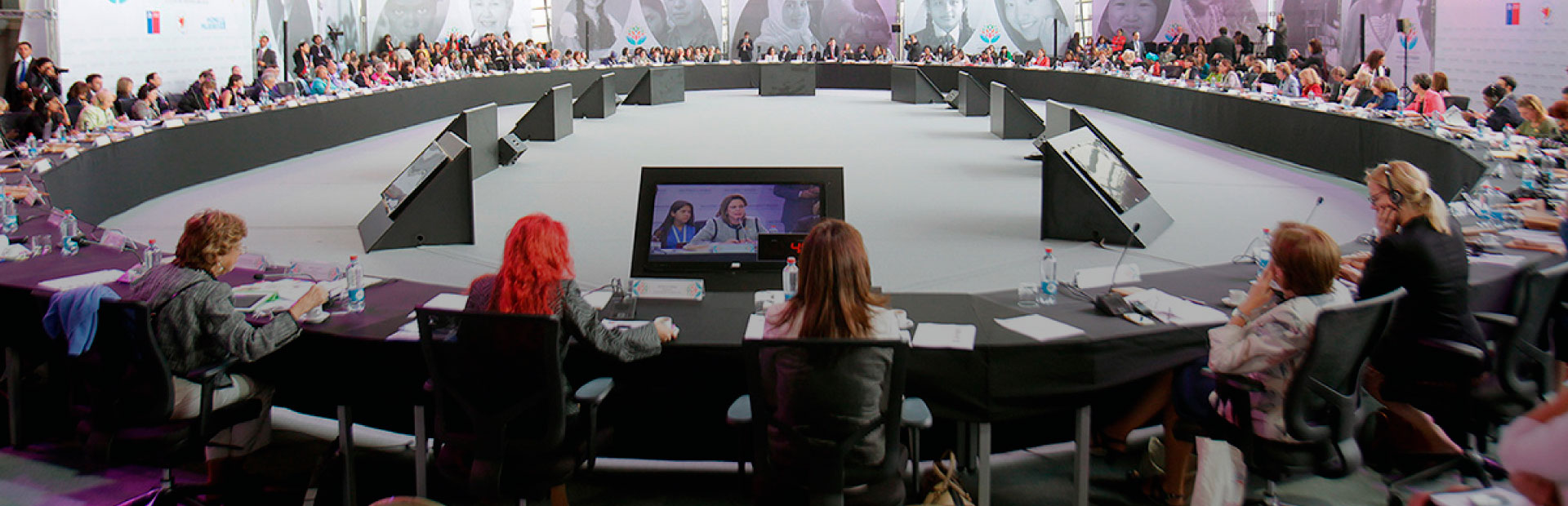
While there have been important advances in women’s leadership in politics, as of November 1 2017, women make up only 7.2% of Heads of State and 6.2% Heads of Government. Data on women representatives in local government, including as mayors, heads of villages and towns, is not well collected and analyzed. The adoption of an SDG indicator on women’s representation in local government is a great step forward in tracking progress on gender balance, allowing for the systematic collection and analysis of data on women in local government. Women’s access to and continued role in leadership positions is challenged by a range of barriers, including discriminatory laws and practices, as well as social norms that prescribe traditional roles and attitudes towards women’s participation in leadership and decision-making roles. Proactive gender-equality policies within political parties and local government structures, including quotas and special temporary measures, gender-sensitive approaches to electoral processes, support networks, mentoring, training, and engagement of male champions, can all help promote women’s role in political leadership.

Sudan’s transition must be inclusive if it is to build a country for all Sudanese.
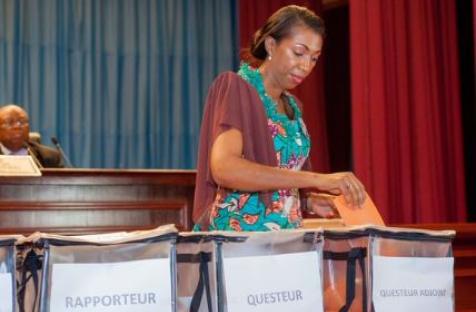
Lawmakers in the Democratic Republic of Congo, DRC, on Wednesday elected Jeanine Mabunda as head of the national assembly.
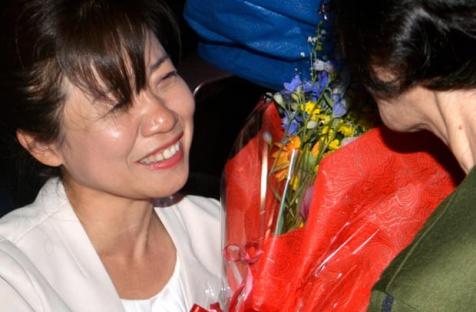
Misuzu Ikeda becomes first assemblywoman in Tarumizu as record numbers of women elected nationwide.

By Corinna Horst,
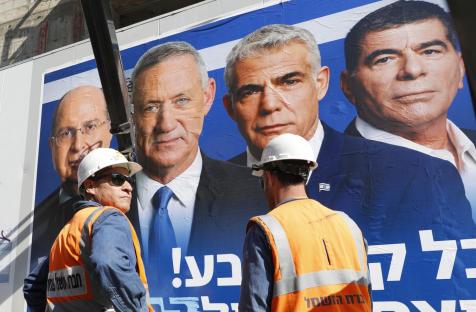
A male-dominated electoral campaign has highlighted how easily women are kept to the side in Israeli politics.
Politicians’ faces are everywhere. On billboards, on fliers, on television.
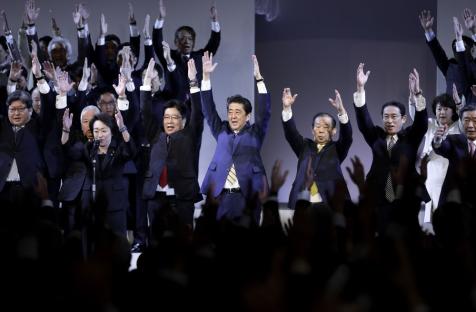
Women won just 10.4 percent of the seats up for grabs in Japan’s regional assembly races yet still recorded a record high, Kyodo News said, highlighting the slow pace of improvement for gender equality in the country’s government.
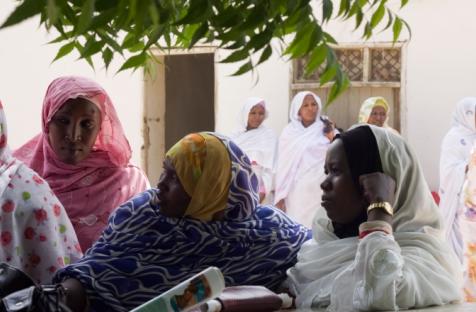
In the fight for gender equality, women around the world have advanced in small and large ways. Yet for women in Africa, progress is measured in micro steps, and the struggle has a long way to go.
New Zealand's first elected female Prime Minister, Helen Clark became active in politics while studying at the University of Auckland.

New Zealand's first elected female Prime Minister, Helen Clark became active in politics while studying at the University of Auckland.
More than 500.