Government critic Zuzana Caputova secured a huge first-round win over the ruling party candidate in Slovakia's weekend election, putting her one step closer to becoming the country's first female president.
While there have been important advances in women’s leadership in politics, as of November 1 2017, women make up only 7.2% of Heads of State and 6.2% Heads of Government. Data on women representatives in local government, including as mayors, heads of villages and towns, is not well collected and analyzed. The adoption of an SDG indicator on women’s representation in local government is a great step forward in tracking progress on gender balance, allowing for the systematic collection and analysis of data on women in local government. Women’s access to and continued role in leadership positions is challenged by a range of barriers, including discriminatory laws and practices, as well as social norms that prescribe traditional roles and attitudes towards women’s participation in leadership and decision-making roles. Proactive gender-equality policies within political parties and local government structures, including quotas and special temporary measures, gender-sensitive approaches to electoral processes, support networks, mentoring, training, and engagement of male champions, can all help promote women’s role in political leadership.
Government critic Zuzana Caputova secured a huge first-round win over the ruling party candidate in Slovakia's weekend election, putting her one step closer to becoming the country's first female president.
UNITED NATIONS, March 12 (Xinhua) -- The proportion of women ministers is at an all-time high at 20.7 percent, 2.4 percentage points higher than that in 2017, according to data in the 2019 edition of the biennial IPU (Inter-Parliamentary Union)-UN Wo
By Ellen Wulfhorst,
The government's disposition toward citizens' rights and freedoms is a measure of its openness and an indicator of the type of relationship it holds with them. The constitution stands as the most powerful reflection of that relationship.
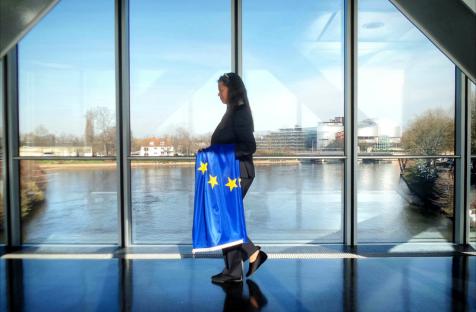
When it comes to power, the European Union has not yet reached the halfway mark to full gender equality.
International Women’s Day presents an opportunity to take stock and reinforce the sought-after goals for women’s empowerment in all spheres of life.
Only 6.3% of all international leaders are women.
Statement for International Women’s Day by Phumzile Mlambo-Ngcuka, UN Under-Secretary-General and Executive Director of UN Women
International Women’s Day
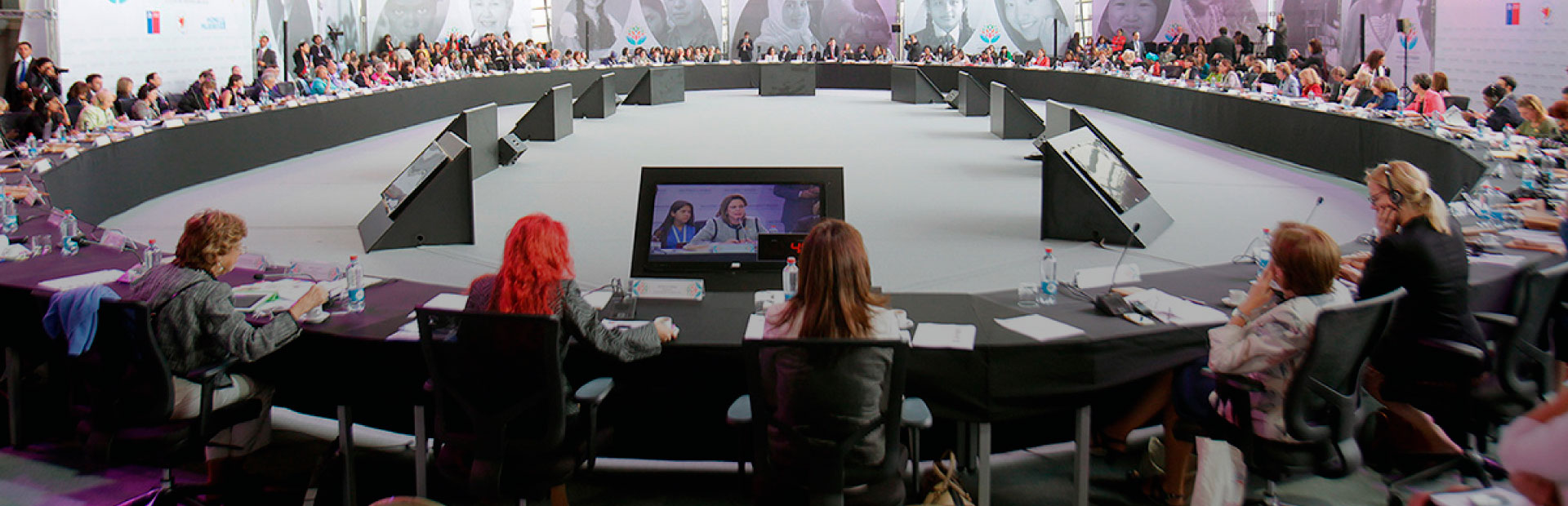
40th Anniversary of CEDAW