Multiple women are in the 2020 race already and people are so pumped

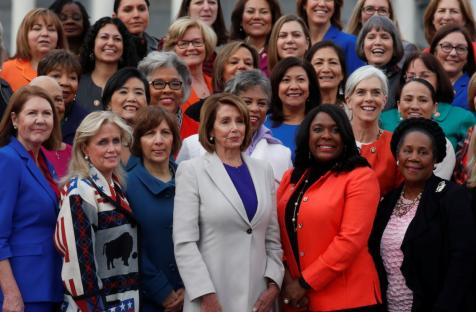
It's perhaps more likely than ever that the next U.S. president could be a woman.
While there have been important advances in women’s leadership in politics, as of November 1 2017, women make up only 7.2% of Heads of State and 6.2% Heads of Government. Data on women representatives in local government, including as mayors, heads of villages and towns, is not well collected and analyzed. The adoption of an SDG indicator on women’s representation in local government is a great step forward in tracking progress on gender balance, allowing for the systematic collection and analysis of data on women in local government. Women’s access to and continued role in leadership positions is challenged by a range of barriers, including discriminatory laws and practices, as well as social norms that prescribe traditional roles and attitudes towards women’s participation in leadership and decision-making roles. Proactive gender-equality policies within political parties and local government structures, including quotas and special temporary measures, gender-sensitive approaches to electoral processes, support networks, mentoring, training, and engagement of male champions, can all help promote women’s role in political leadership.
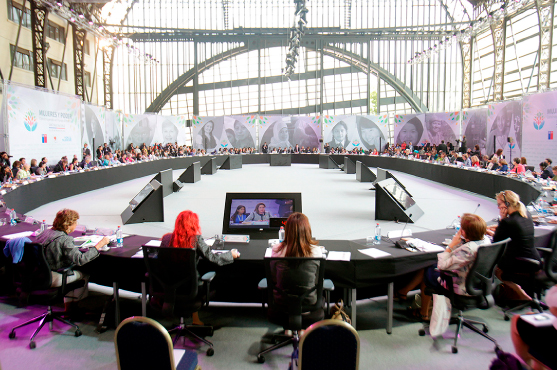

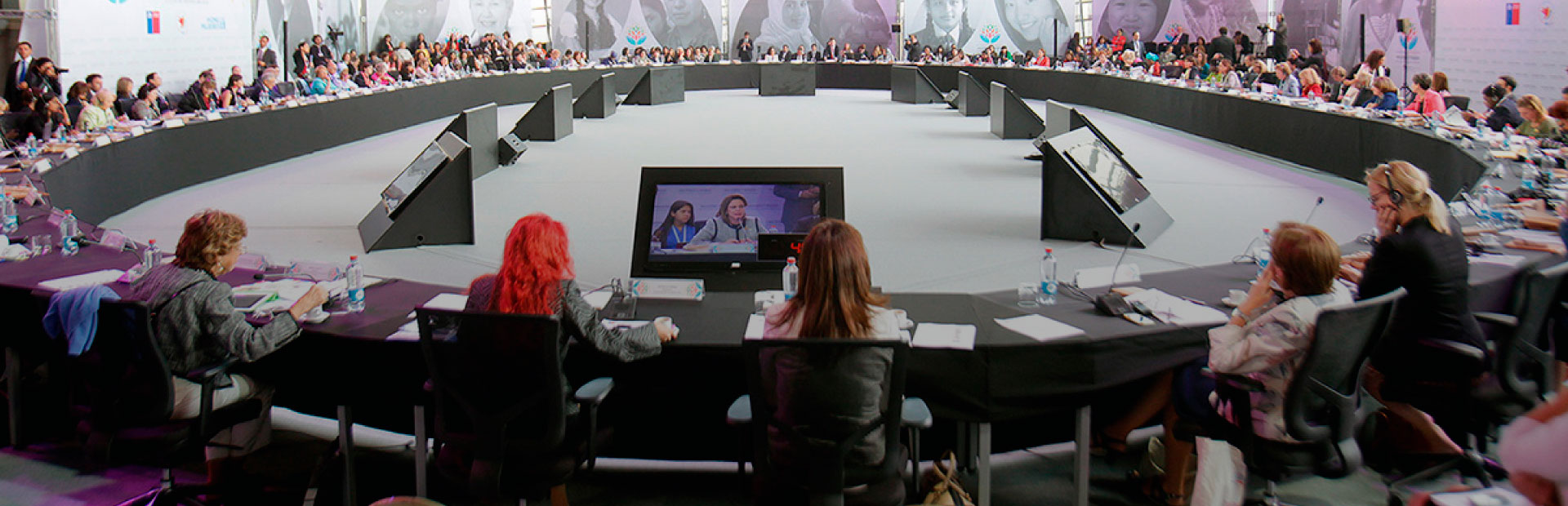
It's perhaps more likely than ever that the next U.S. president could be a woman.

By Jill Filipovic,
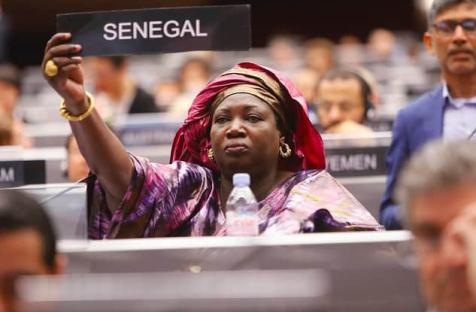
As many political analysts see democracy weakened by introverted, xenophobic parties and autocratic leaders, a glimmer of hope is offered by a new generation of candidates and voters.

By Eugenie Joseph,
Many candidates – across all parties – are not selected on clear merit, especially for winnable seats.
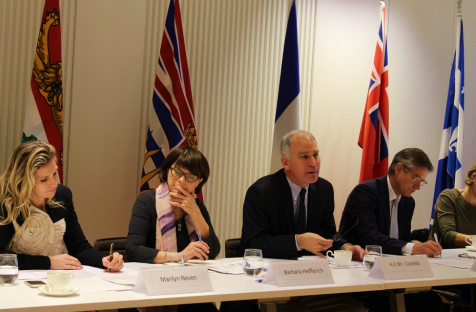
The Office of International IDEA to the European Union organized on 7 December 2018, a Roundtable discussion on ”Political empowerment of women through ICTs”, with the support of the Canadian Mission to the European Union.

I’ve worked at parliament for three different MPs over five years. For the first time, I’m now working for a woman MP, and the kind of messages sent to her online are shocking.

Just over a century ago, Jeannette Rankin of Montana won a seat in the House of Representatives, becoming the first woman ever elected to federal office.
In November 2015, Prime Minister Justin Trudeau formed the first gender-balanced cabinet in Canadian history. In announcing his cabinet, he ensured that half of his closest advisers (15 out of a total of 30) were women.
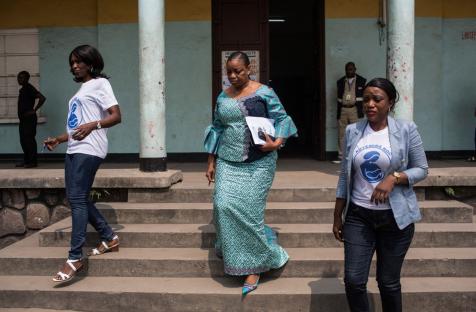
When citizens of the Democratic Republic of Congo go to the polls next Sunday, attention will be focused on the race to succeed Joseph Kabila, the president of nearly 18 years.