December 12, 2018
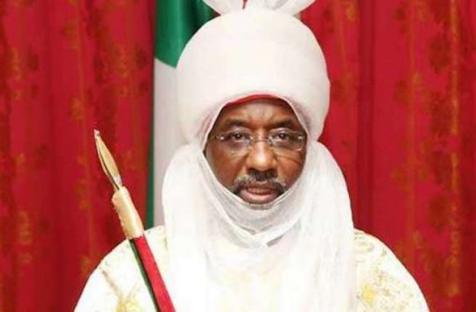
Kano Emir tasks women to vote for gender sensitive leaders
By Ibrahim Shuaibu in Kano,
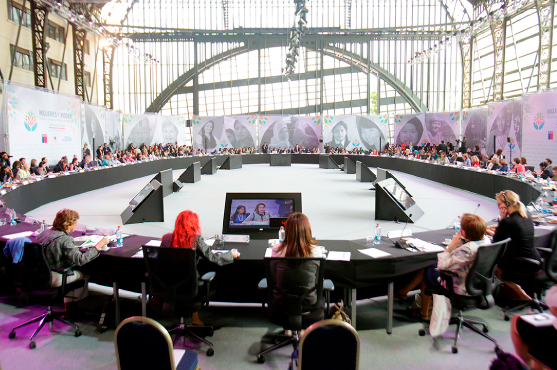
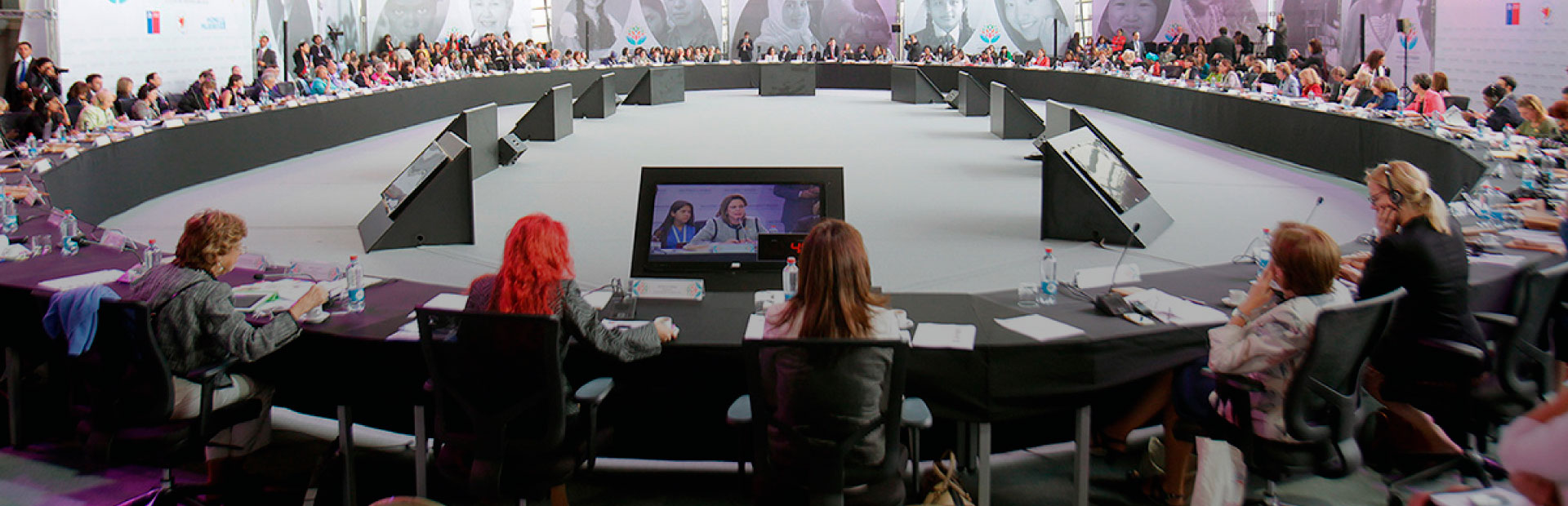
While there have been important advances in women’s leadership in politics, as of November 1 2017, women make up only 7.2% of Heads of State and 6.2% Heads of Government. Data on women representatives in local government, including as mayors, heads of villages and towns, is not well collected and analyzed. The adoption of an SDG indicator on women’s representation in local government is a great step forward in tracking progress on gender balance, allowing for the systematic collection and analysis of data on women in local government. Women’s access to and continued role in leadership positions is challenged by a range of barriers, including discriminatory laws and practices, as well as social norms that prescribe traditional roles and attitudes towards women’s participation in leadership and decision-making roles. Proactive gender-equality policies within political parties and local government structures, including quotas and special temporary measures, gender-sensitive approaches to electoral processes, support networks, mentoring, training, and engagement of male champions, can all help promote women’s role in political leadership.

By Ibrahim Shuaibu in Kano,
By Sarah Yerkes and Shannon Mckeown.

By Sarah Yerkes and Shannon Mckeown.
Julia Gillard, former prime minister, first ever woman prime minister of Australia, and member of a party with nearly 50 per cent representation in the parliamentary Labor Party has some advice for the Liberal Party.

Julia Gillard, former prime minister, first ever woman prime minister of Australia, and member of a party with nearly 50 per cent representation in the parliamentary Labor Party has some advice for the Liberal Party.
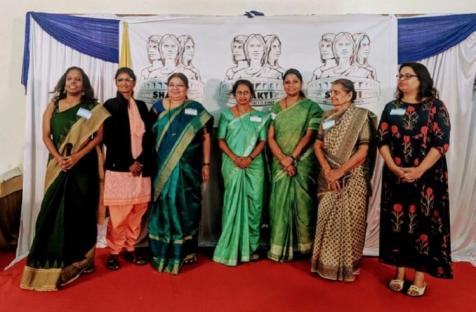
The Indian Women’s Caucus had activists and politicians weighing in on what’s stopping women from entering and succeeding in politics.
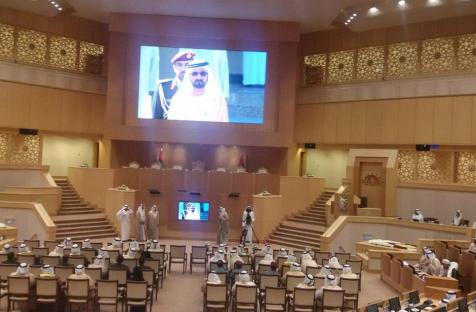
Abu Dhabi: As per the directives of President His Highness Shaikh Khalifa Bin Zayed Al Nahyan, the Emirati women's representation in the Federal National Council, FNC, will be increased to 50 per cent in the coming parliamentary term.
El artículo presenta evidencia actualizada sobre la brecha de género en la implicación, el cono- cimiento y la participación política en España y en perspectiva comparada.

El artículo presenta evidencia actualizada sobre la brecha de género en la implicación, el cono- cimiento y la participación política en España y en perspectiva comparada.
By Gillian Kane,
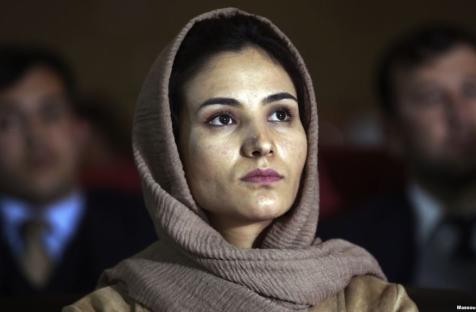
KABUL, Afghanistan (AP) — Afghanistan has appointed its first woman to a senior post at the Interior Ministry, naming Hosna Jalil as deputy for policy and strategic affairs.
By Gillian Kane,
By Gillian Kane,