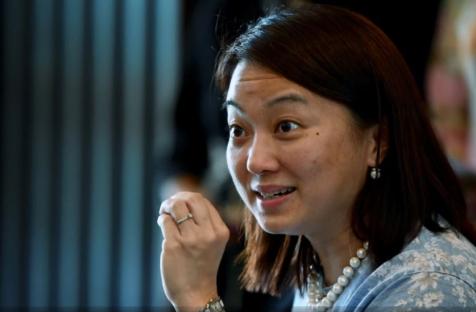
Thailand has one of the poorest rates of gender equality in politics globally, and international agencies say more women are needed in key decision-making processes.
While there have been important advances in women’s leadership in politics, as of November 1 2017, women make up only 7.2% of Heads of State and 6.2% Heads of Government. Data on women representatives in local government, including as mayors, heads of villages and towns, is not well collected and analyzed. The adoption of an SDG indicator on women’s representation in local government is a great step forward in tracking progress on gender balance, allowing for the systematic collection and analysis of data on women in local government. Women’s access to and continued role in leadership positions is challenged by a range of barriers, including discriminatory laws and practices, as well as social norms that prescribe traditional roles and attitudes towards women’s participation in leadership and decision-making roles. Proactive gender-equality policies within political parties and local government structures, including quotas and special temporary measures, gender-sensitive approaches to electoral processes, support networks, mentoring, training, and engagement of male champions, can all help promote women’s role in political leadership.
Thailand has one of the poorest rates of gender equality in politics globally, and international agencies say more women are needed in key decision-making processes.
Two years after Hillary Clinton became the first woman to win the presidential nomination of a major U.S.
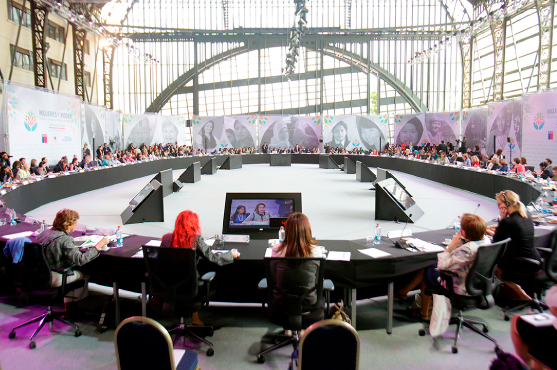
This report reflects discussions held during the May 2018 Expert Group Meeting hosted by UN Women on women’s meaningful participation in negotiating peace and the implementation of peace agreements.
With women making up only 20 percent of Congress, there are many types of women — especially women of color — who have never been represented on Capitol Hill.
Daw Saw Yee and Daw Ohn Shwe have many things in common, but until recently their paths had not crossed.
Halima Askari became the first woman head of the Provincial Council in Afghanistan’s conservative Wardak province in 2017. She is part of a new generation of women leaders who, little by little, are pushing for the transformation of governance.
By Payton Saso,
In today's society, college women tend to look to female celebrities and social media influencers for inspiration on how to be successful in life.
By Payton Saso,
In today's society, college women tend to look to female celebrities and social media influencers for inspiration on how to be successful in life.
By Carter Sherman,
By Carter Sherman,
Ethiopia’s parliament on Thursday swore in the country’s first female supreme court president, building on efforts by reformist Prime Minister Abiy Ahmed to achieve gender parity in government.