Women's Leadership
While there have been important advances in women’s leadership in politics, as of November 1 2017, women make up only 7.2% of Heads of State and 6.2% Heads of Government. Data on women representatives in local government, including as mayors, heads of villages and towns, is not well collected and analyzed. The adoption of an SDG indicator on women’s representation in local government is a great step forward in tracking progress on gender balance, allowing for the systematic collection and analysis of data on women in local government. Women’s access to and continued role in leadership positions is challenged by a range of barriers, including discriminatory laws and practices, as well as social norms that prescribe traditional roles and attitudes towards women’s participation in leadership and decision-making roles. Proactive gender-equality policies within political parties and local government structures, including quotas and special temporary measures, gender-sensitive approaches to electoral processes, support networks, mentoring, training, and engagement of male champions, can all help promote women’s role in political leadership.
Show on Home Page
Yes
Image
Icon

Banner Image
What it will take for women to win

Women are more politically

May 30, 2017
Women veterans take aim at a new target: Public office
Mikie Sherrill has never run for of
May 17, 2017
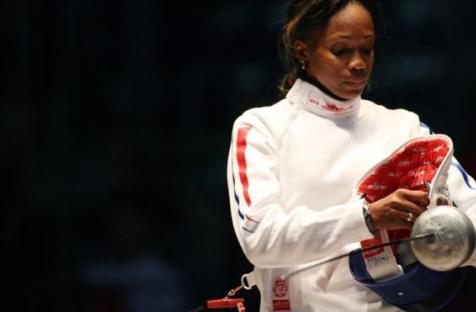
Macron cabinet: Women are half of France's new minsters
French President Emmanuel M
May 8, 2017
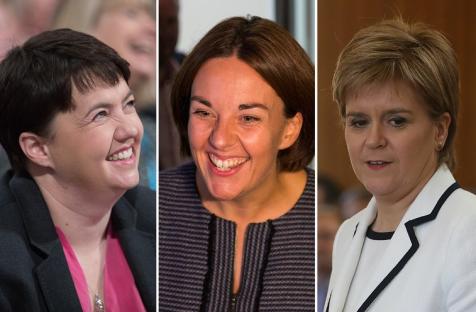
Scotland's 3 major political leaders are women
Scotland may be tiny, but the ambit
May 8, 2017
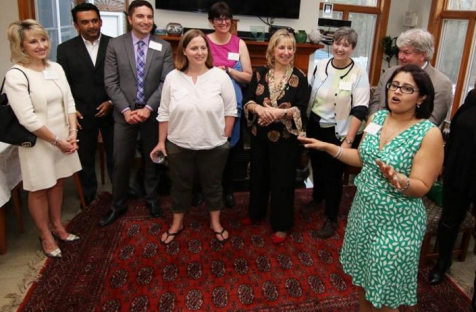
More Massachusetts women jumping into politics
Inspired by Hillary Clinton’s presi
May 3, 2017
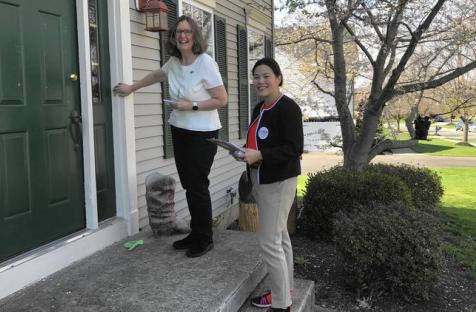
How rising political activism is changing women's lives
Donald Trump's election was a life-
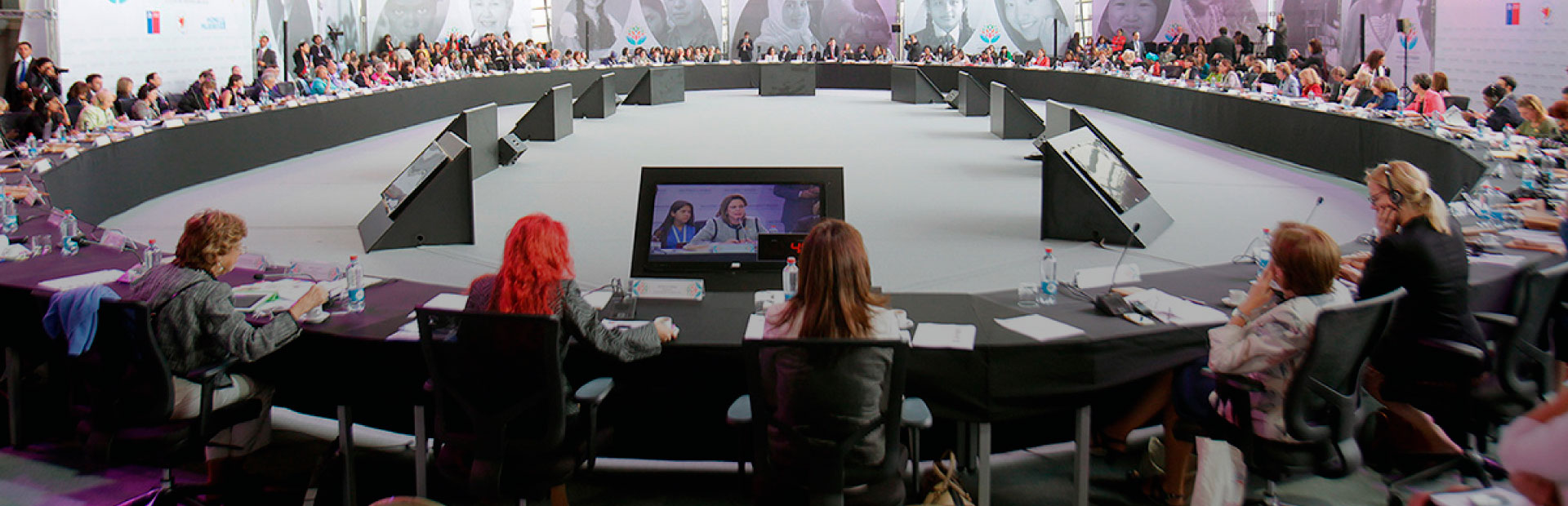
Shaping the International Agenda: Raising Women’s Voices in Intergovernmental Forums
Back
May 2, 2017
Shaping the International Agenda: Raising Women’s Voices in Intergovernmental Forums
Business as usual is not an option.
Print article
Business as usual is not an option.