October 5, 2016
Second Annual Cora Weiss Fellowship for Young Women Peacebuilders
The Global Network of Wom
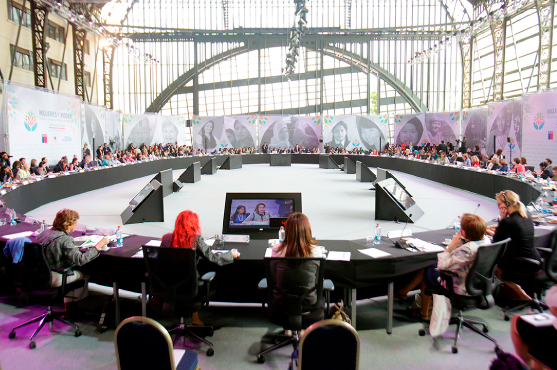
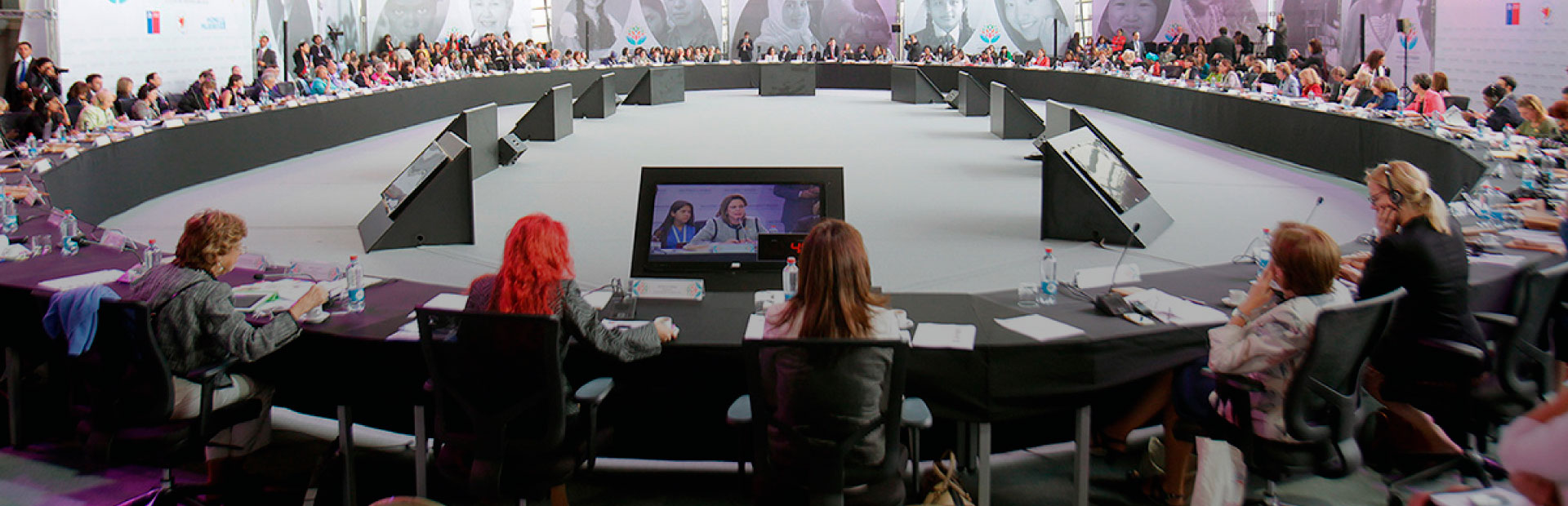
While there have been important advances in women’s leadership in politics, as of November 1 2017, women make up only 7.2% of Heads of State and 6.2% Heads of Government. Data on women representatives in local government, including as mayors, heads of villages and towns, is not well collected and analyzed. The adoption of an SDG indicator on women’s representation in local government is a great step forward in tracking progress on gender balance, allowing for the systematic collection and analysis of data on women in local government. Women’s access to and continued role in leadership positions is challenged by a range of barriers, including discriminatory laws and practices, as well as social norms that prescribe traditional roles and attitudes towards women’s participation in leadership and decision-making roles. Proactive gender-equality policies within political parties and local government structures, including quotas and special temporary measures, gender-sensitive approaches to electoral processes, support networks, mentoring, training, and engagement of male champions, can all help promote women’s role in political leadership.

The Global Network of Wom
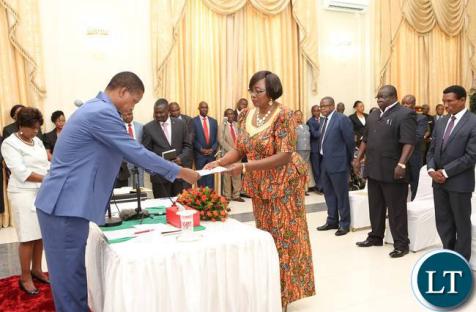
The Zambia National Women’s Lobby h

Liao Bin, from the Hunan province i
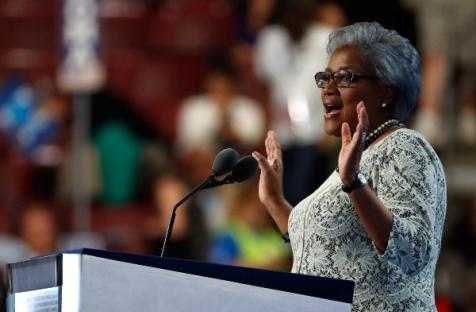
Like many countries around the world, the Hashemite Kingdom of Jordan faces risks from “violent radicalization,” often defined as a process through which a person co
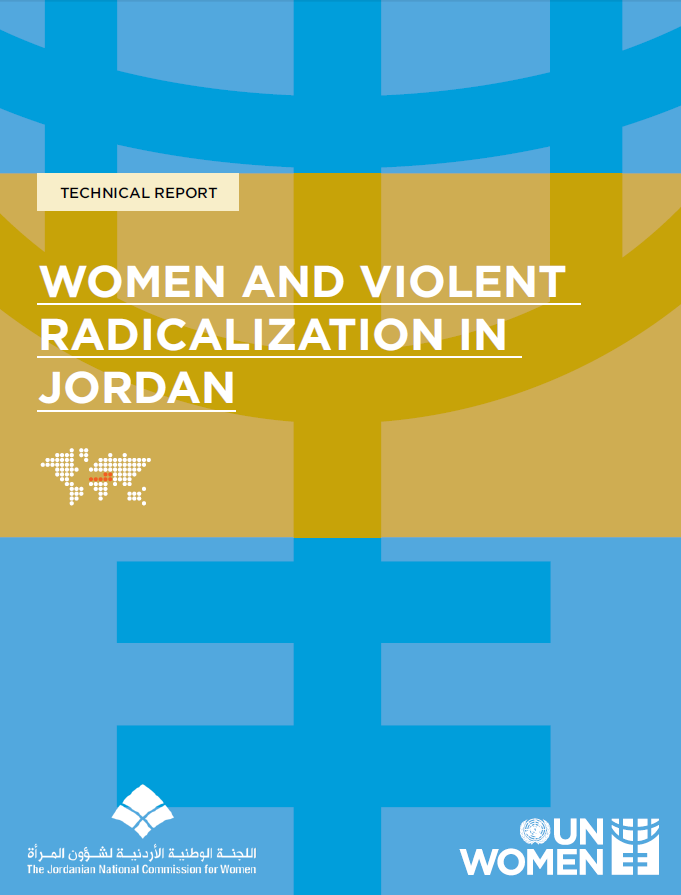
Like many countries around the world, the Hashemite Kingdom of Jordan faces risks from “violent radicalization,” often defined as a process through which a person co
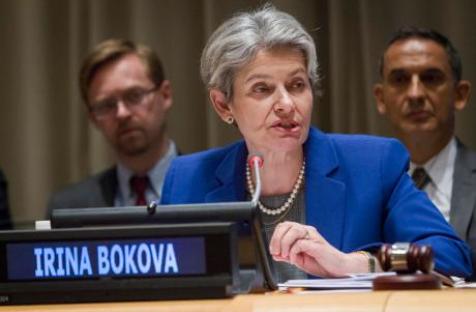
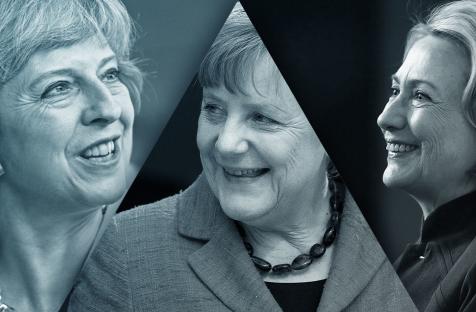
Six of the twelve candidates for the job of UN Secretary-General are women, but in the first informal vote at the Security Council only one woman made it to the top