
Women's Leadership
While there have been important advances in women’s leadership in politics, as of November 1 2017, women make up only 7.2% of Heads of State and 6.2% Heads of Government. Data on women representatives in local government, including as mayors, heads of villages and towns, is not well collected and analyzed. The adoption of an SDG indicator on women’s representation in local government is a great step forward in tracking progress on gender balance, allowing for the systematic collection and analysis of data on women in local government. Women’s access to and continued role in leadership positions is challenged by a range of barriers, including discriminatory laws and practices, as well as social norms that prescribe traditional roles and attitudes towards women’s participation in leadership and decision-making roles. Proactive gender-equality policies within political parties and local government structures, including quotas and special temporary measures, gender-sensitive approaches to electoral processes, support networks, mentoring, training, and engagement of male champions, can all help promote women’s role in political leadership.
Show on Home Page
Yes
Image
Icon

Banner Image
February 18, 2026
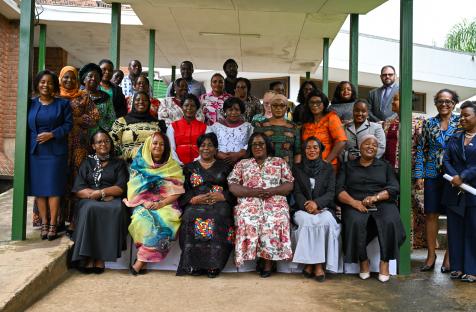
From Representation to Influence: Strengthening the Parliamentary Women’s Caucus in Malawi
February 16, 2026
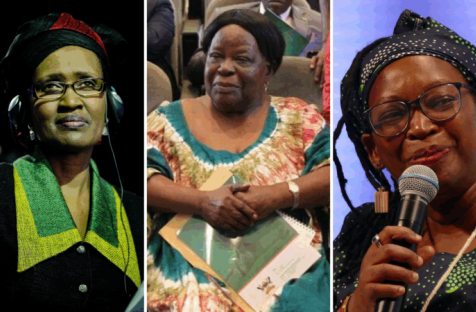
Women politicians face tech-facilitated violence in Uganda’s 2026 elections
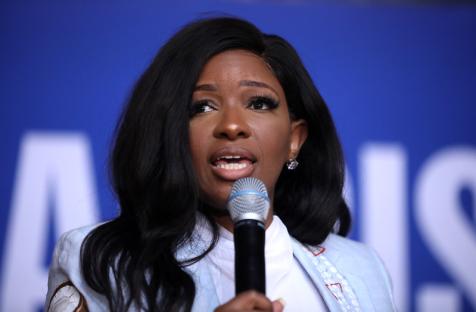
February 11, 2026
15 Women in Politics to Watch, as Midterms Loom and Chaos Swirls
Women’s overall influence in American politics is on the rise.
Interviews
Advancing Women's Representation: Insights from Kenyan MP Catherine Muyeka Mumma on Gender Equality
Back
February 9, 2026
Advancing Women's Representation: Insights from Kenyan MP Catherine Muyeka Mumma on Gender Equality
MP Catherine Muyeka Mumma
MP Catherine Muyeka Mumma
Print article
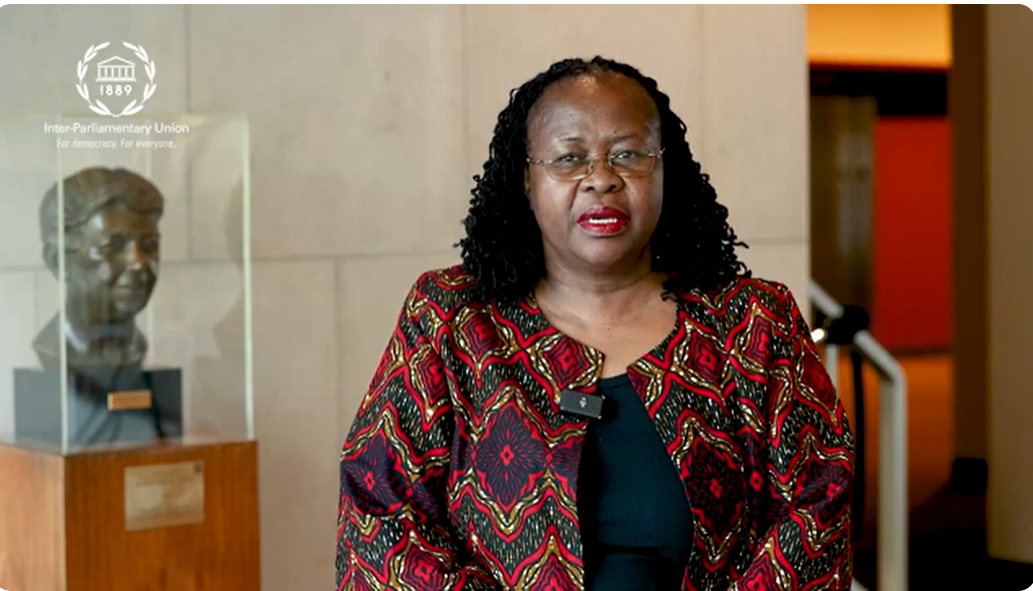
MP Catherine Muyeka Mumma
Interviews
Advancing Women's Representation: Insights from Azerbaijani MP Sevil Mikayilova on Gender Equality
Back
February 9, 2026
Advancing Women's Representation: Insights from Azerbaijani MP Sevil Mikayilova on Gender Equality
MP Sevil Mikayilova
MP Sevil Mikayilova
Print article
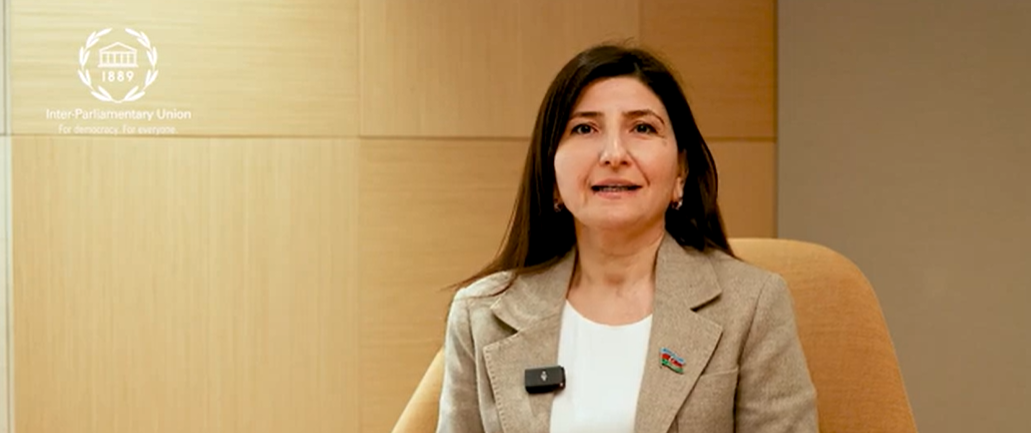
MP Sevil Mikayilova
Interviews
Advancing Women's Representation: Insights from Canadian MP Pam Damoff on Gender Equality
Back
February 9, 2026
Advancing Women's Representation: Insights from Canadian MP Pam Damoff on Gender Equality
MP Pam Damoff
MP Pam Damoff
Print article
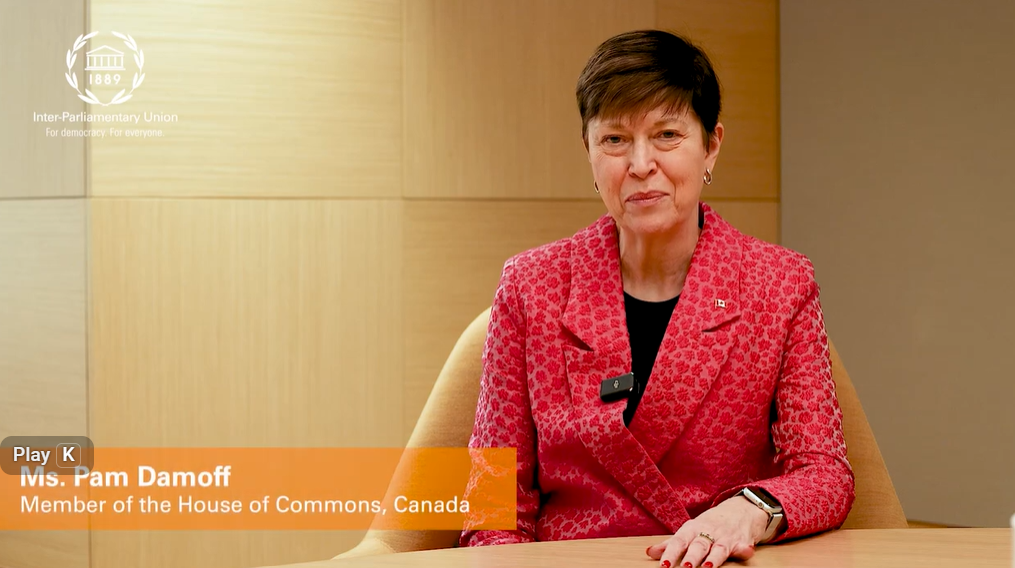
MP Pam Damoff
Interviews
Voices of Change
Back
February 9, 2026
Voices of Change
Mary Marjorie Martin-Chan, Councillor of Tuguegarao City, Cagayan, representing the Club de Madrid
Mary Marjorie Martin-Chan, Councillor of Tuguegarao City, Cagayan, representing the Club de Madrid
Print article
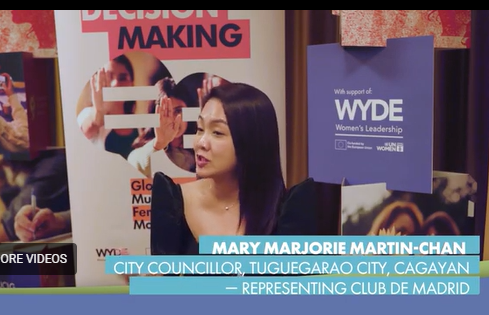
Mary Marjorie Martin-Chan, Councillor of Tuguegarao City, Cagayan, representing the Club de Madrid
Interviews
Voices of Change
Back
February 9, 2026
Voices of Change
Flora Maboa-Boltmann, Deputy President of the South Africa Local governments Association (SALGA)
Flora Maboa-Boltmann, Deputy President of the South Africa Local governments Association (SALGA)
Print article
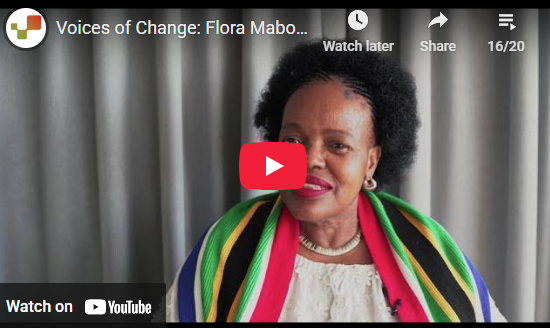
Flora Maboa-Boltmann, Deputy President of the South Africa Local governments Association (SALGA)