The life of women and men in Lebanon: a statistical portrait

The compilation, analysis and dissemination of gender statistics are critical to capture the specific realities in the life of women and men.
While there have been important advances in women’s leadership in politics, as of November 1 2017, women make up only 7.2% of Heads of State and 6.2% Heads of Government. Data on women representatives in local government, including as mayors, heads of villages and towns, is not well collected and analyzed. The adoption of an SDG indicator on women’s representation in local government is a great step forward in tracking progress on gender balance, allowing for the systematic collection and analysis of data on women in local government. Women’s access to and continued role in leadership positions is challenged by a range of barriers, including discriminatory laws and practices, as well as social norms that prescribe traditional roles and attitudes towards women’s participation in leadership and decision-making roles. Proactive gender-equality policies within political parties and local government structures, including quotas and special temporary measures, gender-sensitive approaches to electoral processes, support networks, mentoring, training, and engagement of male champions, can all help promote women’s role in political leadership.
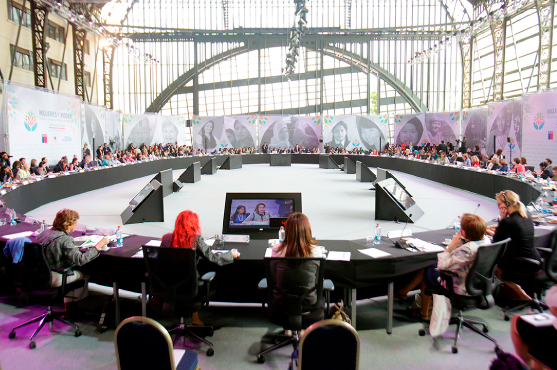

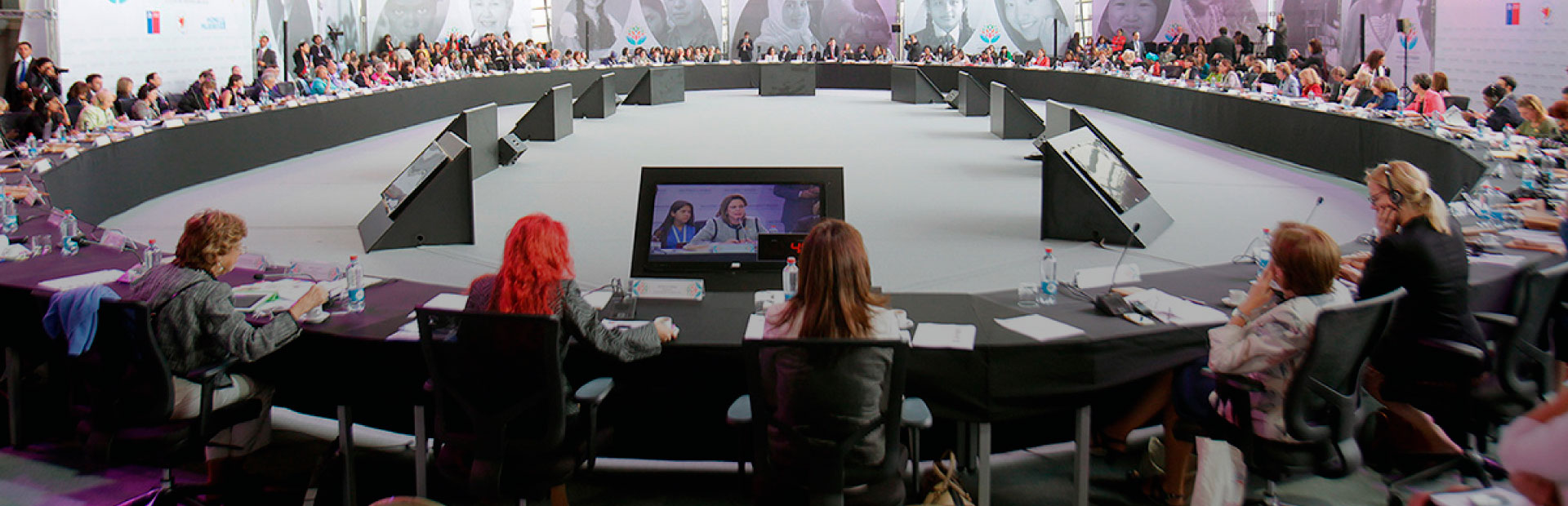
The compilation, analysis and dissemination of gender statistics are critical to capture the specific realities in the life of women and men.

Beirut, (UN Women, The European Union and The World Bank) - Lebanon is facing a convergence of political, economic and social crises, all exacerbated by the COVID-19 pandemic. These crises are causing extraor
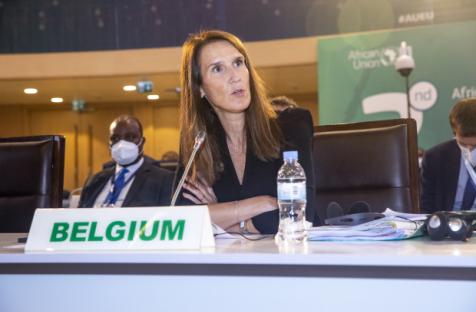
The position of ambassador is considered the pinnacle of a diplomatic career. However, it is a position that still remains dominated by men.
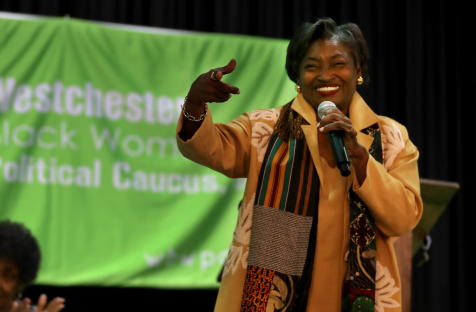
New York leaders ingratiated themselves with the Westchester Black Women's Political Caucus on Sunday in Yonkers, as the organization celebrated its 45th anniversary and showcased its rise to power.

Decades of research has debated whether women first need to reach a “critical mass” in the legislature before they can effectively influence legislative outcomes.
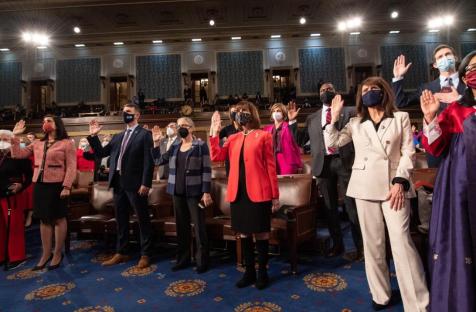
When women gain power in national legislatures such as the U.S. Senate or Israeli Knesset, countries begin to spend more on priorities like education and health care.

This report reflects the main arguments presented during the high-level seminar, organized by UN Women in collaboration with the Italian Ministry of Foreign Affairs and International Cooperation, on “Strengthening women’s participation in peace proce
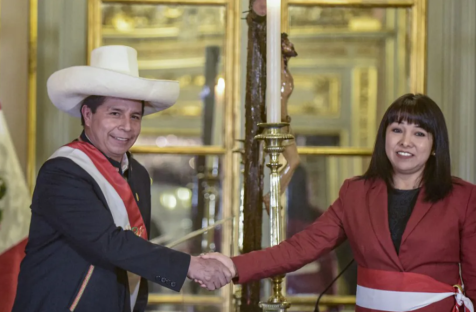
Peruvian President Pedro Castillo accepted the resignation of his prime minister Wednesday and replaced him with a female environmental activist.