Will the Netherlands’ gender quota experiment work?

Quotas are unpopular, especially in the liberal Netherlands. But next week its parliament is expected to impose a quota system to ensure major businesses employ more women at the highest levels.
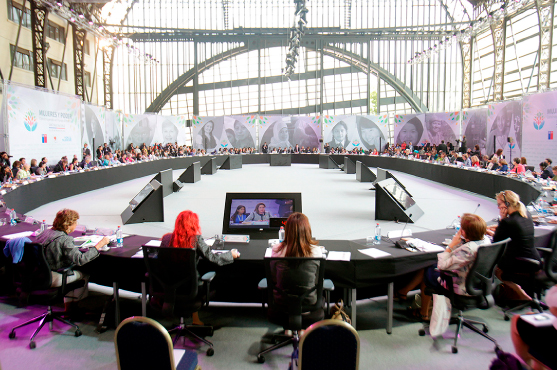
While there have been important advances in women’s leadership in politics, as of November 1 2017, women make up only 7.2% of Heads of State and 6.2% Heads of Government. Data on women representatives in local government, including as mayors, heads of villages and towns, is not well collected and analyzed. The adoption of an SDG indicator on women’s representation in local government is a great step forward in tracking progress on gender balance, allowing for the systematic collection and analysis of data on women in local government. Women’s access to and continued role in leadership positions is challenged by a range of barriers, including discriminatory laws and practices, as well as social norms that prescribe traditional roles and attitudes towards women’s participation in leadership and decision-making roles. Proactive gender-equality policies within political parties and local government structures, including quotas and special temporary measures, gender-sensitive approaches to electoral processes, support networks, mentoring, training, and engagement of male champions, can all help promote women’s role in political leadership.
Quotas are unpopular, especially in the liberal Netherlands. But next week its parliament is expected to impose a quota system to ensure major businesses employ more women at the highest levels.
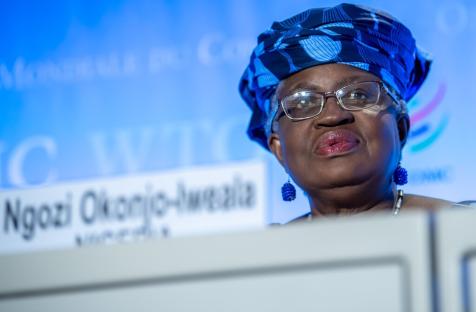
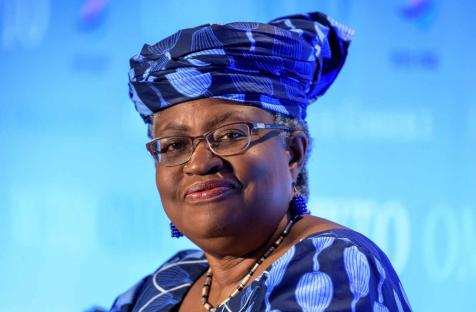
Ngozi Okonjo-Iweala, a former two-time Nigerian finance minister, was appointed Monday to the be the next director-general of the World Trade Organization.
South Asia has elected its share of prominent women politicians. But what has that meant for gender equality and women’s rights on the ground?
Her path was cleared after Yoo Myung-hee, the South Korean trade minister, announced she was withdrawing from consideration to head the World Trade Organization.
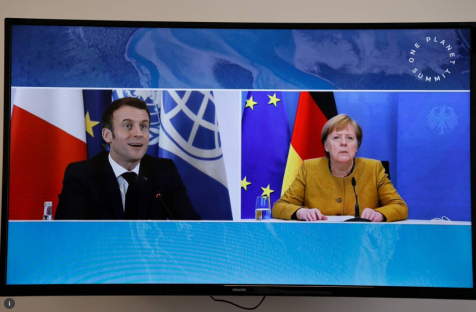
As Boris Johnson’s Britain notches up 100,000 deaths, the statistics for female-run countries are incomparably better. But is the connection as simple as it looks?
The question of "what if women ruled the world" is getting less hypothetical these days as experts and
The Biden administration must move beyond superficial inclusion and actively promote gender equality globally while seeking to reverse the harm done in the name of forever wars.