Politics & Gender short paper series on Gender, Politics, and the Global Pandemic

Politics & Gender is an agenda-setting journal that publishes quality scholarship on gender and politics and on women and politics.
While there have been important advances in women’s leadership in politics, as of November 1 2017, women make up only 7.2% of Heads of State and 6.2% Heads of Government. Data on women representatives in local government, including as mayors, heads of villages and towns, is not well collected and analyzed. The adoption of an SDG indicator on women’s representation in local government is a great step forward in tracking progress on gender balance, allowing for the systematic collection and analysis of data on women in local government. Women’s access to and continued role in leadership positions is challenged by a range of barriers, including discriminatory laws and practices, as well as social norms that prescribe traditional roles and attitudes towards women’s participation in leadership and decision-making roles. Proactive gender-equality policies within political parties and local government structures, including quotas and special temporary measures, gender-sensitive approaches to electoral processes, support networks, mentoring, training, and engagement of male champions, can all help promote women’s role in political leadership.
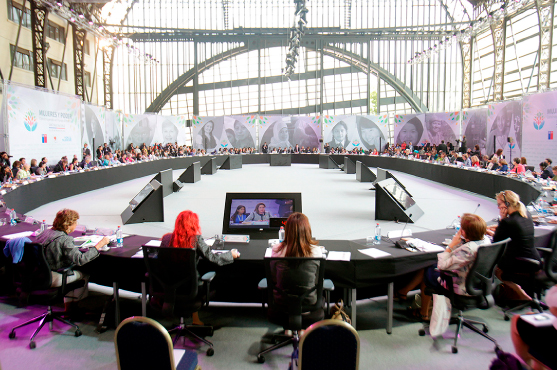

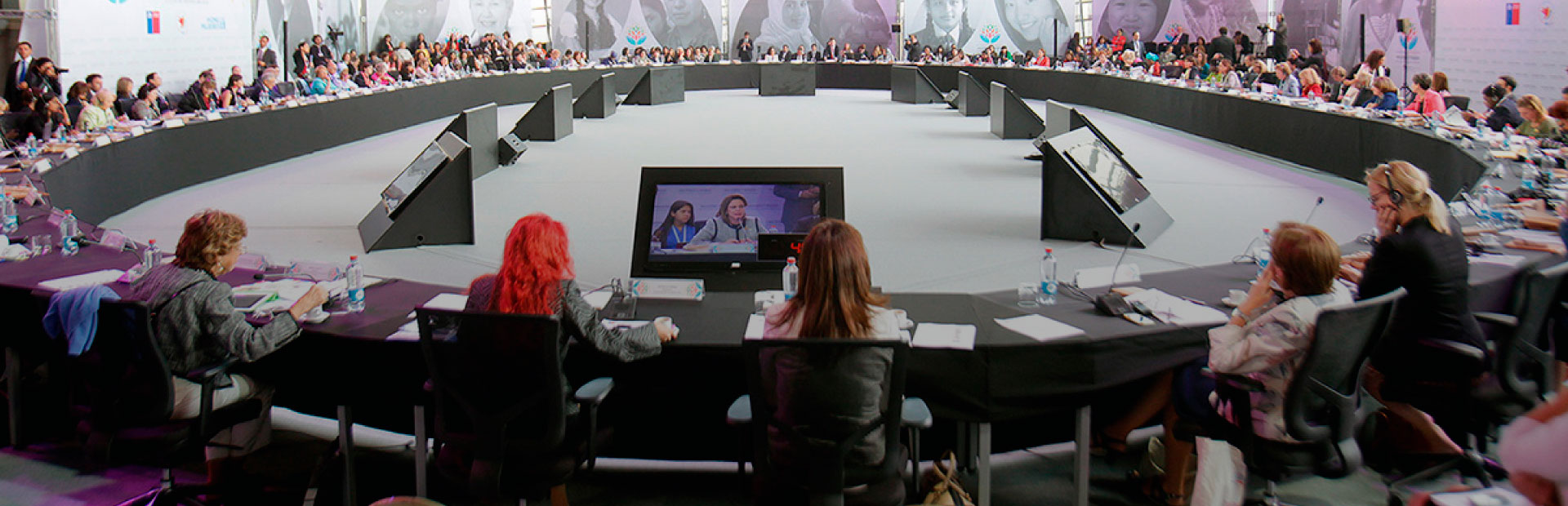
Politics & Gender is an agenda-setting journal that publishes quality scholarship on gender and politics and on women and politics.

With generous support from the Government of Norway, UN Women will intensify its efforts to advance the Women, Peace and Security agenda in Libya at this critical juncture.

The year 2020 will be remembered as one of the most consequential in generations: the COVID-19 pandemic devastated lives and livelihoods; millions protested across the country for racial justice following the murder of George Floyd; and the U.S.

Feminists in war-devastated Yemen have condemned the exclusion of women from a new government formed under a power-sharing deal between the internationally-recognized government and separatists.

Central and Southeast Europe now accounts for a third of the tiny number of states worldwide that have gender-balanced cabinets — but higher female representation in politics doesn’t necessarily equate to women holding real power.

Summary: There has been a lot said about how women have done a better job leading during the Covid-19 crisis than men.
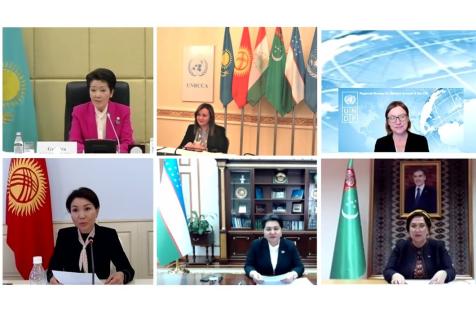
ASHGABAT, Turkmenistan -- A prominent group of women leaders representing the Central Asian states and the United Nations launched a new platform, the Central Asian Women Leaders’ Caucus, today to support women in the region to attain a more p
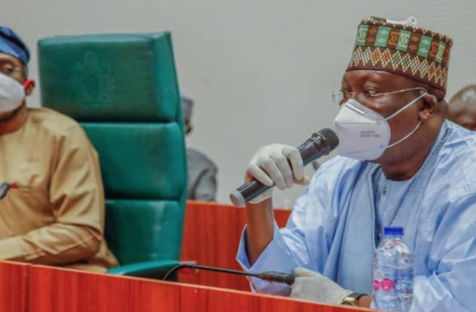
Female legislators in the National Assembly have formed a team to lobby their male colleagues for the purpose of ensuring the inclusion of women’s rights in the nation’s constitution.
