Video: Empowering the next generation of women leaders in Southeast Asia!
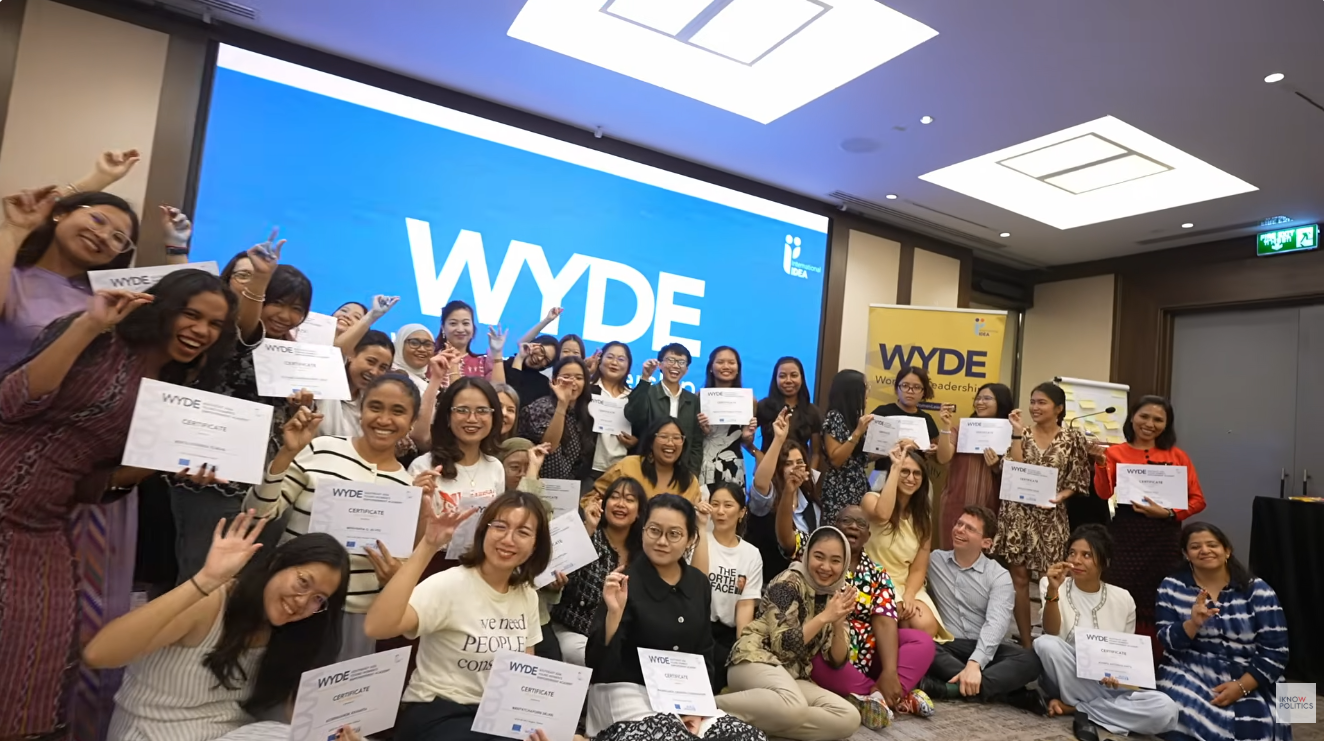
International IDEA convened the sixth Young Women’s Empowerment Academy in Bangkok, Thailand, under the EU-funded WYDE Women’s Leadership Initiative.
While young people play central and catalyzing roles in movements for democracy around the world, they are less engaged than older generations in voting and party activism. As of 2016 people between the ages of 20 and 44 make up 57% of the world’s voting age population but only 26% of the world’s Members of Parliament (MPs). Young people under 30 only represent 1.9% of the world’s MP’s and more than 80% of the world’s upper houses of Parliament have no MPs aged under 30. While male MPs outnumber female MPs in every age category, gender imbalance is less pronounced among younger MPs around the world. This suggests that young men and women may be more likely to make way for new faces and voices to be represented in decision-making (Inter-parliamentary Union Youth Participation in National Parliaments, 2016). Strategies that may promote the engagement of youth in political processes include: youth quotas; legal reforms to align the voting age with the minimum age for elected officials; proportional representation electoral systems; inclusive parliaments and local governance; removal of barriers for youth electoral participation; outreach and recruitment of students by political parties; and targeted outreach to youth political candidates.
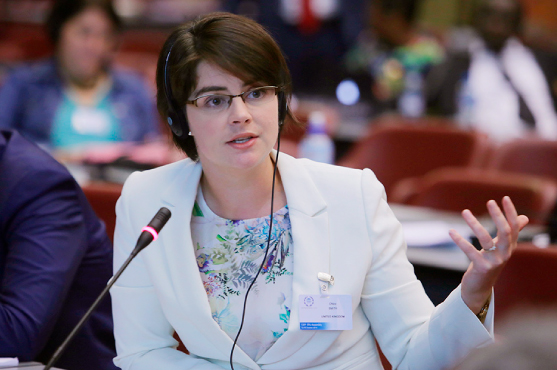

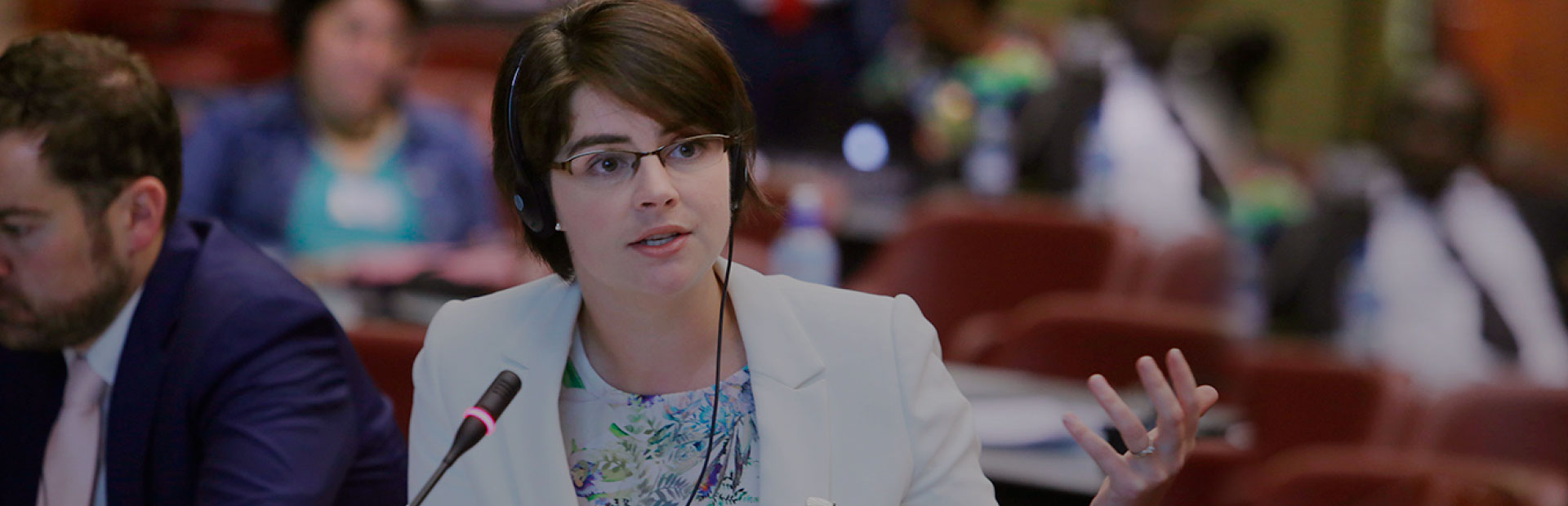
International IDEA convened the sixth Young Women’s Empowerment Academy in Bangkok, Thailand, under the EU-funded WYDE Women’s Leadership Initiative.

The World Health Organization (WHO) defines self-care as the ability of individuals, families and communities to promote and maintain their own health, prevent disease and cope with illness, with or without the support of a health or care worker.
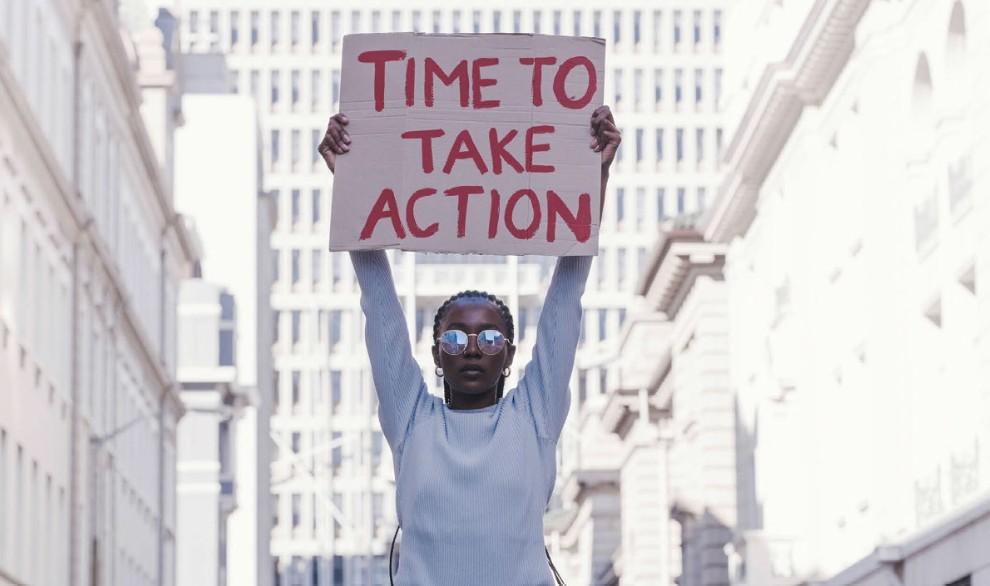
This 2025 report is the sixth IPU review of youth participation in national parliaments.
When a woman parliamentary aspirant in Nyeri County withdrew from an election race after a fabricated sex video was circulated online, the attack went beyond humiliating one individual.
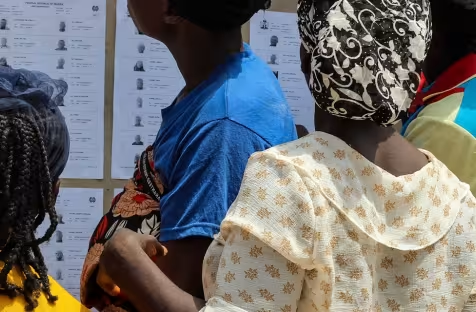
Nigerians will return to the polls in 2027.

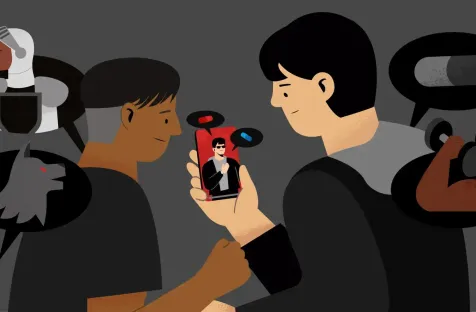
Years before Jan (preferred pronoun “he”), a 33-year-old non-binary Egyptian, came out or even knew about the LGBTQ+ community, he would search online for people like him. He often found himself deceived by strangers on social media — people pretending to be LGBTQ+, or men posing as women.
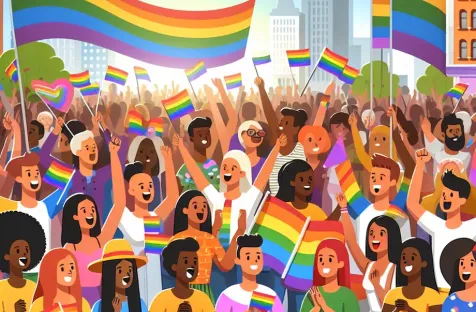
The Nicaraguan Government has used gender-based violence as a tool of political repression against women, girls, and LGBTIQ+ individuals, according to a new report released by the United Nations Group of Human Rights Experts on Nicaragua.
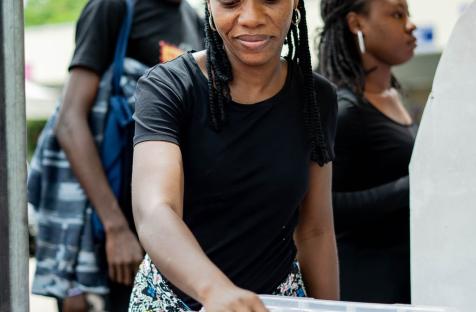
As political activities gradually gather momentum ahead of Nigeria’s 2027 general elections, young Nigerians have expressed concerns over declining trust in democratic institutions, persistent barriers to women’s political participation and the need for stronger civic education.