Youth

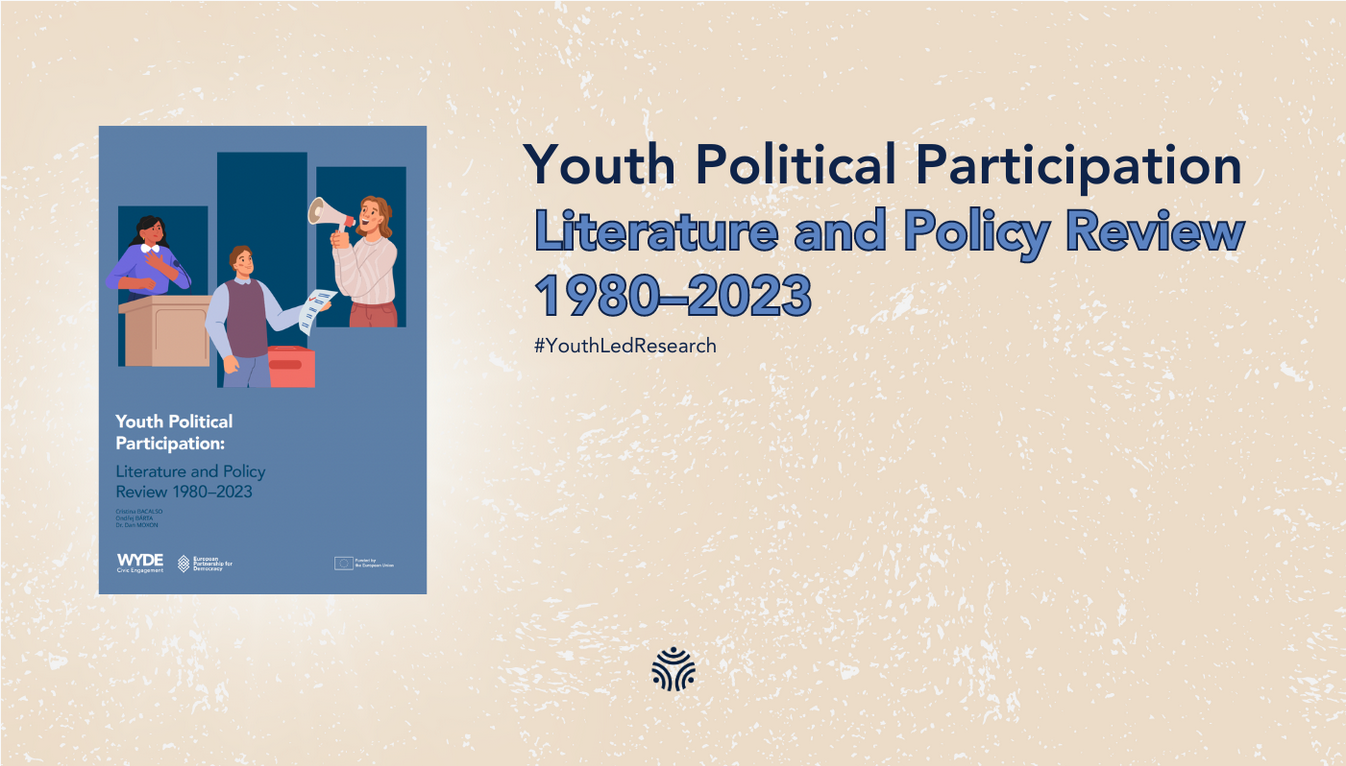
While young people play central and catalyzing roles in movements for democracy around the world, they are less engaged than older generations in voting and party activism. As of 2016 people between the ages of 20 and 44 make up 57% of the world’s voting age population but only 26% of the world’s Members of Parliament (MPs). Young people under 30 only represent 1.9% of the world’s MP’s and more than 80% of the world’s upper houses of Parliament have no MPs aged under 30. While male MPs outnumber female MPs in every age category, gender imbalance is less pronounced among younger MPs around the world. This suggests that young men and women may be more likely to make way for new faces and voices to be represented in decision-making (Inter-parliamentary Union Youth Participation in National Parliaments, 2016). Strategies that may promote the engagement of youth in political processes include: youth quotas; legal reforms to align the voting age with the minimum age for elected officials; proportional representation electoral systems; inclusive parliaments and local governance; removal of barriers for youth electoral participation; outreach and recruitment of students by political parties; and targeted outreach to youth political candidates.

Show on Home Page
Yes
Image
Icon
Banner Image

Failure to launch: Young women and political leadership in Australia

Back
April 15, 2024

Failure to launch: Young women and political leadership in Australia

Last week, former prime minister Tony Abbott called for more women to be represented in the Aust

Last week, former prime minister Tony Abbott called for more women to be represented in the Aust

Three in four women not comfortable expressing political opinions online

Back
March 20, 2024

Three in four women not comfortable expressing political opinions online

Three quarters (77%) of women are not comfortable expressing political opinions online because of fears they will be targeted by harmful online behaviours such as misogyny, trolling, threats and harassment,

Three quarters (77%) of women are not comfortable expressing political opinions online because of fears they will be targeted by harmful online behaviours such as misogyny, trolling, threats and harassment,

Source: UN Women
March 20, 2024
Shaping the agenda: Youth engagement and empowerment at the 68th session of the Commission on the Status of Women

After an invigorating three-day assembly, the CSW68 Youth Forum, held on 15–17 March 2024, closed with renewed commitments and actionable insights.

UN Women
March 18, 2024
'We want to have our voices out there' – Young women speak out at CSW68

Youth leaders from around the world have come together to discuss their vision for ending poverty and advancing gender equality at the 68th session of the Commission on the Status of Women (CSW68) at the UN Headquarters in New York from 11 to 22 March.

Source: 263Chat
February 26, 2024
Zimbabwean youth demand more representation in electoral processes

The Zimbabwe Election Support Network (ZESN), a coalition of non-governmental organizations that promotes democratic elections has called for more youth participation and representation in Zimbabwe’s electoral and governance processes, citing the low number of young la

The gender gap is growing — and it bodes badly for American politics and culture

Back
February 16, 2024

The gender gap is growing — and it bodes badly for American politics and culture

January 23, 2024
Gender-responsive training by FAWE for Kenyan media
The Forum for African Women Educationalists (FAWE), one of the seven partners within the Women In Political Participation (WPP) Project, recently convened a strategic 2-day gender-responsive training for select Keny
Mint
December 14, 2023
India's women voters will surpass male voters from 2029 general election onwards

A major shift in India's electoral landscape is anticipated by the end of this decade. A report by the SBI has claimed that women voters in India will surpass male voters from 2029 onwards.