Young people are at the forefront of change worldwide. From climate justice to digital inclusion, young people are organizing, innovating and leading real solutions to the world’s most urgent challenges.
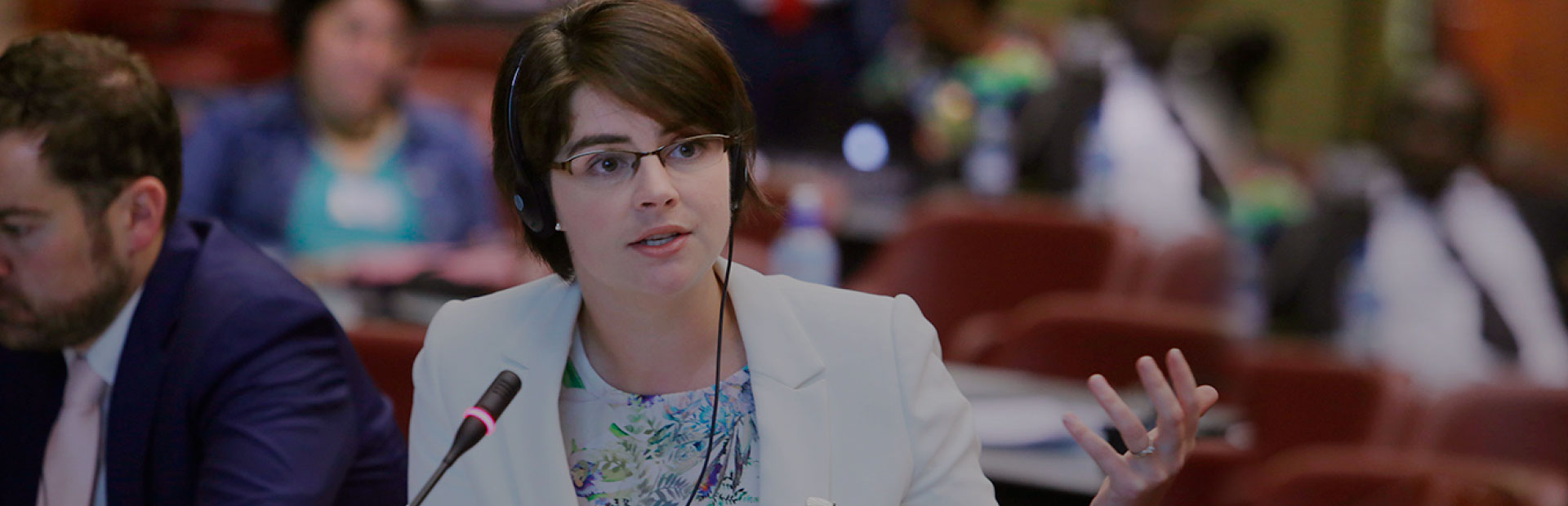
While young people play central and catalyzing roles in movements for democracy around the world, they are less engaged than older generations in voting and party activism. As of 2016 people between the ages of 20 and 44 make up 57% of the world’s voting age population but only 26% of the world’s Members of Parliament (MPs). Young people under 30 only represent 1.9% of the world’s MP’s and more than 80% of the world’s upper houses of Parliament have no MPs aged under 30. While male MPs outnumber female MPs in every age category, gender imbalance is less pronounced among younger MPs around the world. This suggests that young men and women may be more likely to make way for new faces and voices to be represented in decision-making (Inter-parliamentary Union Youth Participation in National Parliaments, 2016). Strategies that may promote the engagement of youth in political processes include: youth quotas; legal reforms to align the voting age with the minimum age for elected officials; proportional representation electoral systems; inclusive parliaments and local governance; removal of barriers for youth electoral participation; outreach and recruitment of students by political parties; and targeted outreach to youth political candidates.
Young people are at the forefront of change worldwide. From climate justice to digital inclusion, young people are organizing, innovating and leading real solutions to the world’s most urgent challenges.
This year, over 2 million Afghans — including half a million children — have returned from Iran, Pakistan, and Central Asia; photo: UN News Center / IOM.
On 12 August, the Inter-Parliamentary Union (IPU) celebrated International Youth Day by organizing a webinar for members of parliament and international partners that would highlight new tools and initiatives aimed at empowering young parliamentarians.
MANCHESTER, England (CN) — A growing body of research shows young men in the U.K. are moving toward conservative and anti-establishment politics, while young women are becoming more liberal and radical in their views.
In most wealthy nations, women have steadily closed the gap with men in education, income, and professional achievement.
South Korea’s gender divide has become a flashpoint in its democratic evolution. Amid economic stagnation and rising disillusionment, young men increasingly view feminist policies as threats to fairness, fuelling anti-feminist populism.
The Government has announced plans to allow 16 and 17-year-olds to vote across the UK by the next general election.
Talking about youth political participation means confronting two main issues.