Youth
While young people play central and catalyzing roles in movements for democracy around the world, they are less engaged than older generations in voting and party activism. As of 2016 people between the ages of 20 and 44 make up 57% of the world’s voting age population but only 26% of the world’s Members of Parliament (MPs). Young people under 30 only represent 1.9% of the world’s MP’s and more than 80% of the world’s upper houses of Parliament have no MPs aged under 30. While male MPs outnumber female MPs in every age category, gender imbalance is less pronounced among younger MPs around the world. This suggests that young men and women may be more likely to make way for new faces and voices to be represented in decision-making (Inter-parliamentary Union Youth Participation in National Parliaments, 2016). Strategies that may promote the engagement of youth in political processes include: youth quotas; legal reforms to align the voting age with the minimum age for elected officials; proportional representation electoral systems; inclusive parliaments and local governance; removal of barriers for youth electoral participation; outreach and recruitment of students by political parties; and targeted outreach to youth political candidates.
Show on Home Page
Yes
Image
Icon

Banner Image

Breaking the Double Glass Ceiling: Young Women in Parliaments
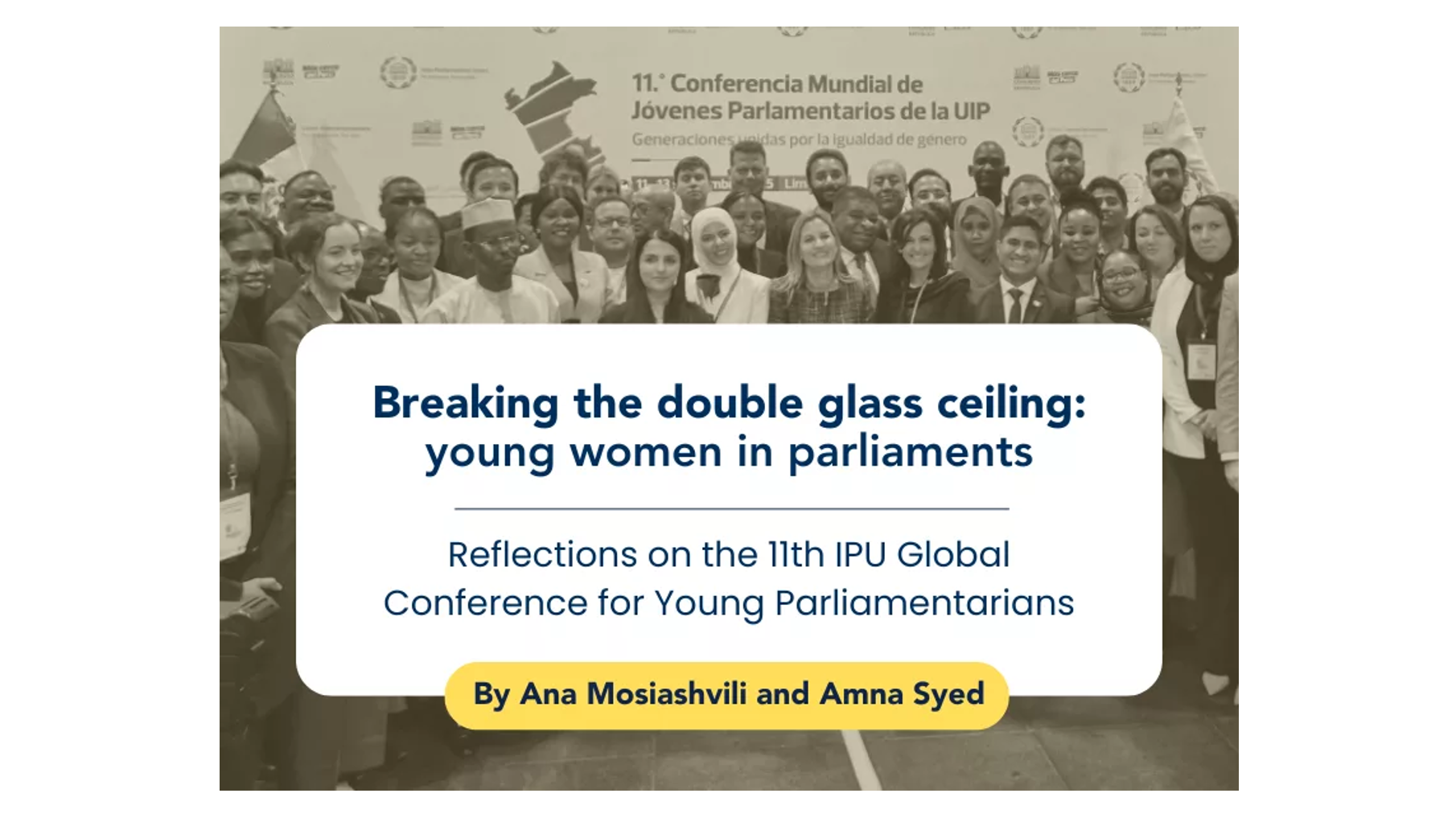
Reflections on the 11th IPU Global Conference for Young Parliamentarians
October 8, 2025
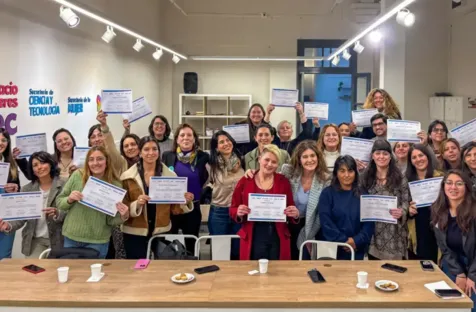
UN Women and Nokia commit to digital inclusion for women in Córdoba Province, Argentina
Moreover, online harassment and violence limit their opportunities to access the technological ecosystem.
October 7, 2025
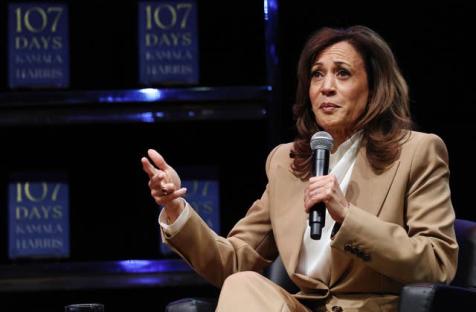
Nearly 20% of younger voters say they would not elect a woman as president, new poll finds
An overwhelming majority of American voters believe it’s important to elect more women to
October 6, 2025
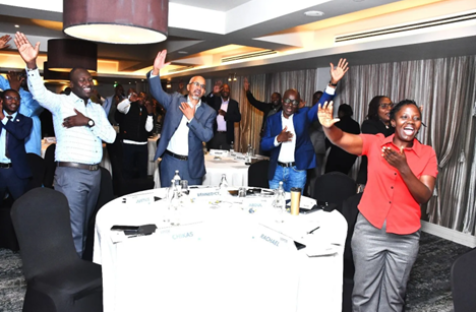
Advancing gender equality and the transformation of social norms through male engagement
September 29, 2025
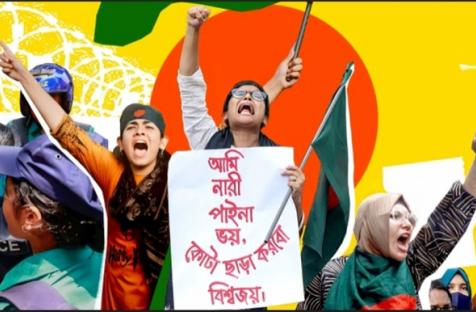
Tokenism and discrimination: Experts call for inclusive politics to empower youth and women
Despite calls for inclusive governance, women and youth remain underrepresented in national politics; experts urge the government to address structural barriers, harassment, and tokenistic participation that limit meaningful engagement and hinder the
September 22, 2025
The Commission on the Status of Women (CSW) revitalization – a renewed commitment from governments to all women and girls
UN Women applauds the ECOSOC adoption today by consensus of the resolution on the revitalization of the Commission on the Status of Women (CSW), a process that will strengthen the leading UN body in advancing gender equality and the rights and empowerment of all women a
September 19, 2025
Gender equality in 2025: Gains, gaps, and the $342T choice
2025 is a crossroads. One road leads to deeper poverty, weaker economies, and human rights stripped away. The other, propels economies forward, building safer societies and fairer futures for everyone.

September 18, 2025
New volume highlights African women’s resilience across history, politics
A new book, Women in Africa, authored by foremost historian Professor Toyin Falola and Dr. Jumoke Yacob-Haliso, has spotlighted the resilience and agency of African women across history and politics.