What you need to know:
Youth
While young people play central and catalyzing roles in movements for democracy around the world, they are less engaged than older generations in voting and party activism. As of 2016 people between the ages of 20 and 44 make up 57% of the world’s voting age population but only 26% of the world’s Members of Parliament (MPs). Young people under 30 only represent 1.9% of the world’s MP’s and more than 80% of the world’s upper houses of Parliament have no MPs aged under 30. While male MPs outnumber female MPs in every age category, gender imbalance is less pronounced among younger MPs around the world. This suggests that young men and women may be more likely to make way for new faces and voices to be represented in decision-making (Inter-parliamentary Union Youth Participation in National Parliaments, 2016). Strategies that may promote the engagement of youth in political processes include: youth quotas; legal reforms to align the voting age with the minimum age for elected officials; proportional representation electoral systems; inclusive parliaments and local governance; removal of barriers for youth electoral participation; outreach and recruitment of students by political parties; and targeted outreach to youth political candidates.
e-Discussions
Opportunities and Challenges: Women’s Political Participation in the Digital Age
Digital technologies have expanded opportunities for women in political participation, advocacy, and knowledge-sharing, but also present significant risks, particularly through technology-facilitated gender-based violence (TF GBV) that disproportionately affects women in public life. While digital platforms can bridge gender gaps, creating truly inclusive digital spaces requires policy reforms and societal shifts that address gender norms, ensuring equitable access and safety for all women.
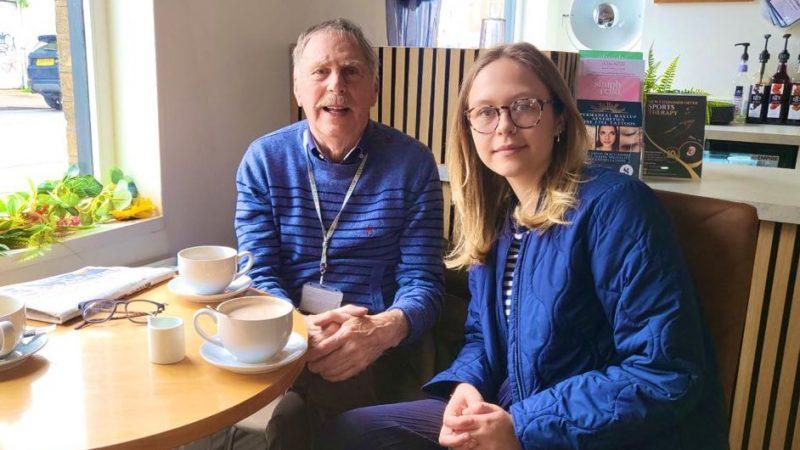
See Her Elected, an initiative aimed at getting more women from rural Ireland into politics, has said the impending general election is a "golden opportunity" to increase female participation in local councils.
16 October 2024, Ghana: UN Women recently published The Gender Snapshot 2024. While the report highlighted some positive developments, no indicator under SDG Goal 5, Gender Equality, has been achieved.
Hosted by the European Commission in Brussels, the Global Gateway High-Level Youth Event took place on October 9-10, 2024, showcasing the transformative impact of the EU youth agenda.
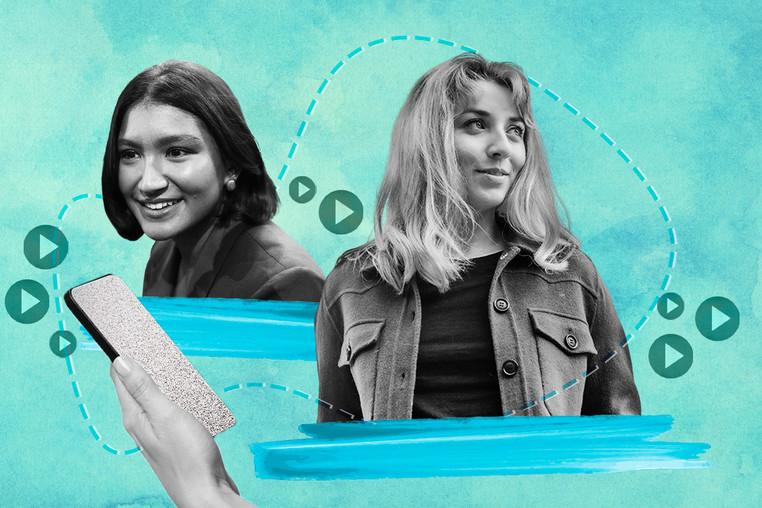
Data of all kinds reveals a little-discussed, future-defining trend: Men and women are going separate ways.
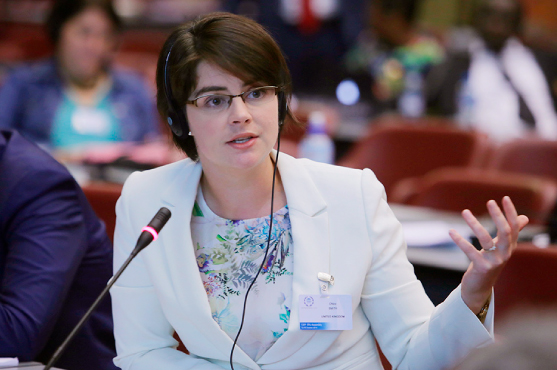
or Zoe Lefkofridi, a professor of politics and gender at the University of Salzburg in Austria, there cannot be real democracy without gender equality. But past progress cannot be taken for granted.
Pagination
- Previous page
- Page 8
- Next page