April 4, 2013
Shura reverses placement of women at top of party lists, Egypt
Shura Council members voted down legislation requiring political parties to display female candidates at the top of party lists.
Advocacy and development are activities that represent and promote the needs of specific groups in political and social arenas. One such group is women, who can collectively pressure their leaders for legislative reforms to protect and promote women’s rights and concerns. It is the goal of advocacy groups and lobbyists to ensure that both the public and politicians understand and support their cause, so that it gains strength and credibility. Securing rights and gains for women requires coalition-building, funding, civic education, awareness-raising and individuals willing to lead the way.
While the goals of advocacy and development are similar, the processes are distinctly different. Advocacy involves gaining and exercising power to influence a political action. Employing methods such as demonstrations, public campaigns and civic education, advocacy can be the primary mission of international agencies and civil society organizations seeking to influence global and national decision makers. Women worldwide frequently organize themselves for advocacy purposes, drawing on their collective power to affect legislation, official policies and governmental programs. Lobbying, however, refers to influencing the government and its leaders. Development attempt to sway policy makers and legislators to address specific issues, often by introducing or revising legislation and policy. Development activities may include private meetings with decision makers, public campaigns and demonstrations.
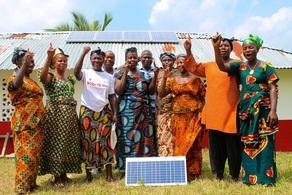
Shura Council members voted down legislation requiring political parties to display female candidates at the top of party lists.
In the last 10 years, Morocco has witnessed two divergent trends relating to economic equality between women and men.
In the last 10 years, Morocco has witnessed two divergent trends relating to economic equality between women and men.

In today’s globalizing world, there is growing emphasis on local democracy. More than ever, cities need new ideas for ways of managing the political challenges and opportunities that arise from increased urbanization and globalization.
The handbook outlines campaign finance monitoring methodology and underscores efforts to monitor money in politics during the next electoral cycle in Tunisia.
One of the most heartening developments in recent years has been the broad progress in human development of many developing countries and their emergence onto the global stage: the “rise of the South”.
Democratic Development is intended as a broad, introductory survey of the political, social, cultural, economic, institutional, and international factors that foster or obstruct the development, and consolidation, of democracy.
What are the challenges to women’s security in the MENA region?