Advocacy and Development

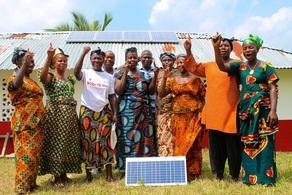
Advocacy and development are activities that represent and promote the needs of specific groups in political and social arenas. One such group is women, who can collectively pressure their leaders for legislative reforms to protect and promote women’s rights and concerns. It is the goal of advocacy groups and lobbyists to ensure that both the public and politicians understand and support their cause, so that it gains strength and credibility. Securing rights and gains for women requires coalition-building, funding, civic education, awareness-raising and individuals willing to lead the way.

While the goals of advocacy and development are similar, the processes are distinctly different. Advocacy involves gaining and exercising power to influence a political action. Employing methods such as demonstrations, public campaigns and civic education, advocacy can be the primary mission of international agencies and civil society organizations seeking to influence global and national decision makers. Women worldwide frequently organize themselves for advocacy purposes, drawing on their collective power to affect legislation, official policies and governmental programs. Lobbying, however, refers to influencing the government and its leaders. Development attempt to sway policy makers and legislators to address specific issues, often by introducing or revising legislation and policy. Development activities may include private meetings with decision makers, public campaigns and demonstrations.

Gender and Sexuality

Gender and sexuality are important in political struggles and development. This report explores the framework of sexual rights and the work of the United Nations in areas of gender and sexual rights, as well as describes efforts to focus activism and programming on defending sexual rights.

Gender and HIV/AIDS

This report outlines the importance of locating HIV/AIDS within a gendered human rights framework. It analyzes how HIV/AIDS exacerbates gender inequality, and how gender inequality shapes the economic, political, and social factors driving the HIV epidemic.