Women at the table: Insights from Lebanese women in politics
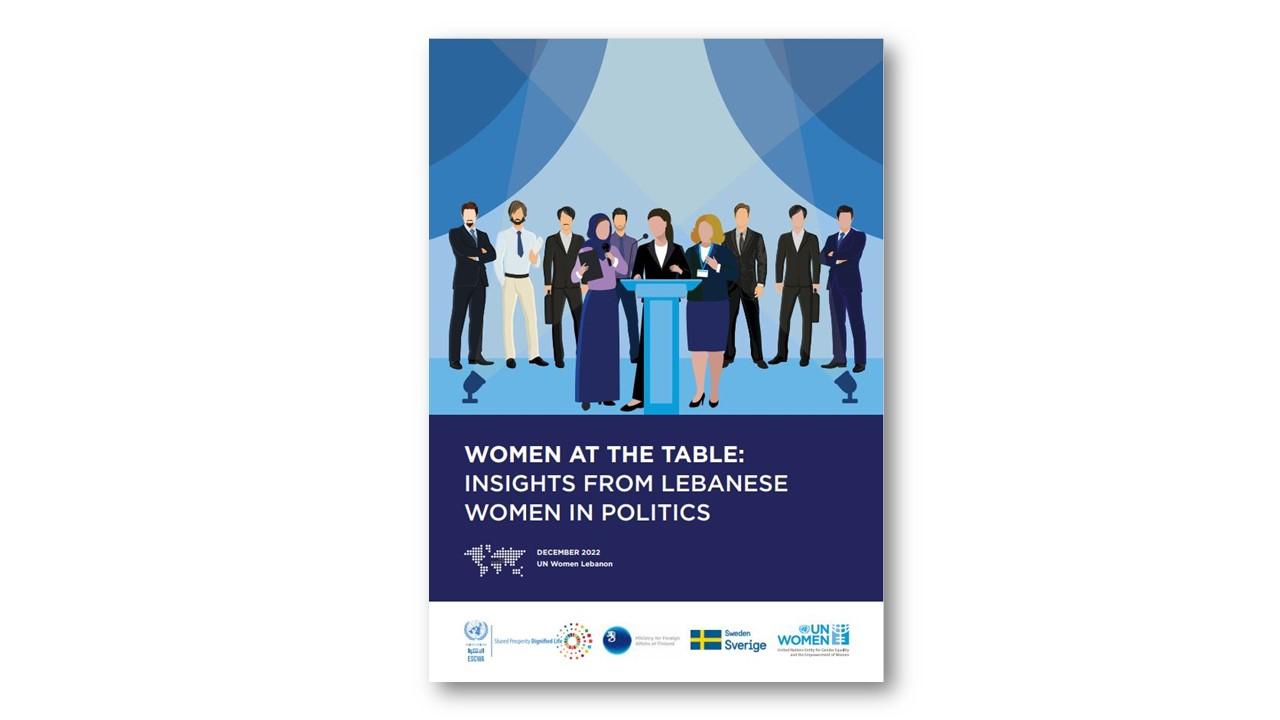
UN Women and ESCWA conducted in-depth interviews with seven Lebanese women in politics who were all ‘first’s’ in different ways.
Advocacy and development are activities that represent and promote the needs of specific groups in political and social arenas. One such group is women, who can collectively pressure their leaders for legislative reforms to protect and promote women’s rights and concerns. It is the goal of advocacy groups and lobbyists to ensure that both the public and politicians understand and support their cause, so that it gains strength and credibility. Securing rights and gains for women requires coalition-building, funding, civic education, awareness-raising and individuals willing to lead the way.
While the goals of advocacy and development are similar, the processes are distinctly different. Advocacy involves gaining and exercising power to influence a political action. Employing methods such as demonstrations, public campaigns and civic education, advocacy can be the primary mission of international agencies and civil society organizations seeking to influence global and national decision makers. Women worldwide frequently organize themselves for advocacy purposes, drawing on their collective power to affect legislation, official policies and governmental programs. Lobbying, however, refers to influencing the government and its leaders. Development attempt to sway policy makers and legislators to address specific issues, often by introducing or revising legislation and policy. Development activities may include private meetings with decision makers, public campaigns and demonstrations.
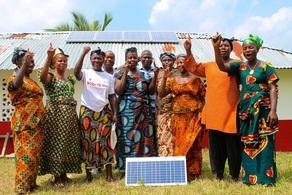
UN Women and ESCWA conducted in-depth interviews with seven Lebanese women in politics who were all ‘first’s’ in different ways.
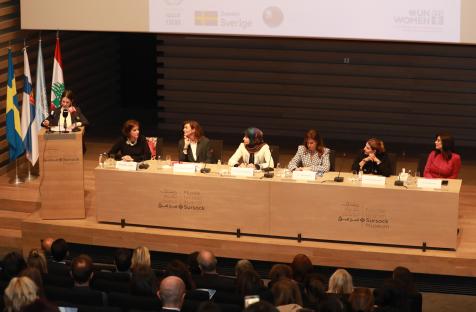
Beirut, 12 December 2022 – Today, UN Women and ESCWA jointly launched a report on women’s political participation entitled “Women at the Table: Insights from Lebanese Women in Politics”.
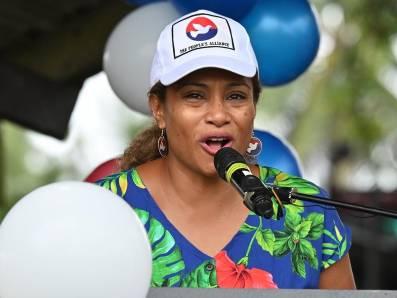
Fijian women remain severely under-represented in politics.

From Hillary Clinton to Alexandria Ocasio-Cortez, some things have yet to change.
On 29 November, the Action Coalition on Feminist Movements and Leadership, together with UN Women and the Office of the High Commissioner for Human Rights, held their first official commemoration of International Women Human Rights Defenders Day to centre the voice

SACRAMENTO — The California Legislature that will be sworn in Monday will include more women than ever before, accounting for about 42% of state lawmakers.
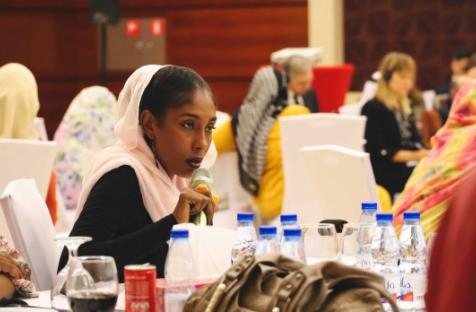
Forty women from civil society organizations, women’s groups, political parties, armed movements, and academia came together over two weeks and produced a joint gender-responsive constitutional vision in a series of workshops organized by UNITAMS in close collaboratio

“Around the world, we see stigmatization, harassment and outright attacks used to silence and discredit women who are outspoken as leaders, community workers, human rights defenders and politicians,” said Peggy Hicks, Director of the Thematic Engagement, Special Proce
Violence against women and girls remains the most pervasive human rights violation in the world, affecting more than 1 in 3 women—a figure that has remained largely unchanged over the last decade.