Why Ethiopia must close its political gender gap
Women urgently need to gain access to high office if the country hopes to survive, say Hilina Berhanu Degefa and Emebet Getachew.
Advocacy and development are activities that represent and promote the needs of specific groups in political and social arenas. One such group is women, who can collectively pressure their leaders for legislative reforms to protect and promote women’s rights and concerns. It is the goal of advocacy groups and lobbyists to ensure that both the public and politicians understand and support their cause, so that it gains strength and credibility. Securing rights and gains for women requires coalition-building, funding, civic education, awareness-raising and individuals willing to lead the way.
While the goals of advocacy and development are similar, the processes are distinctly different. Advocacy involves gaining and exercising power to influence a political action. Employing methods such as demonstrations, public campaigns and civic education, advocacy can be the primary mission of international agencies and civil society organizations seeking to influence global and national decision makers. Women worldwide frequently organize themselves for advocacy purposes, drawing on their collective power to affect legislation, official policies and governmental programs. Lobbying, however, refers to influencing the government and its leaders. Development attempt to sway policy makers and legislators to address specific issues, often by introducing or revising legislation and policy. Development activities may include private meetings with decision makers, public campaigns and demonstrations.
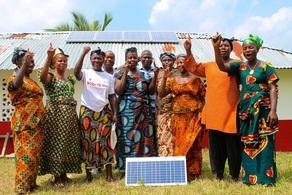
Women urgently need to gain access to high office if the country hopes to survive, say Hilina Berhanu Degefa and Emebet Getachew.

Gender parity is not recovering, according to the Global Gender Gap Report 2022. It will take another 132 years to close the global gender gap.
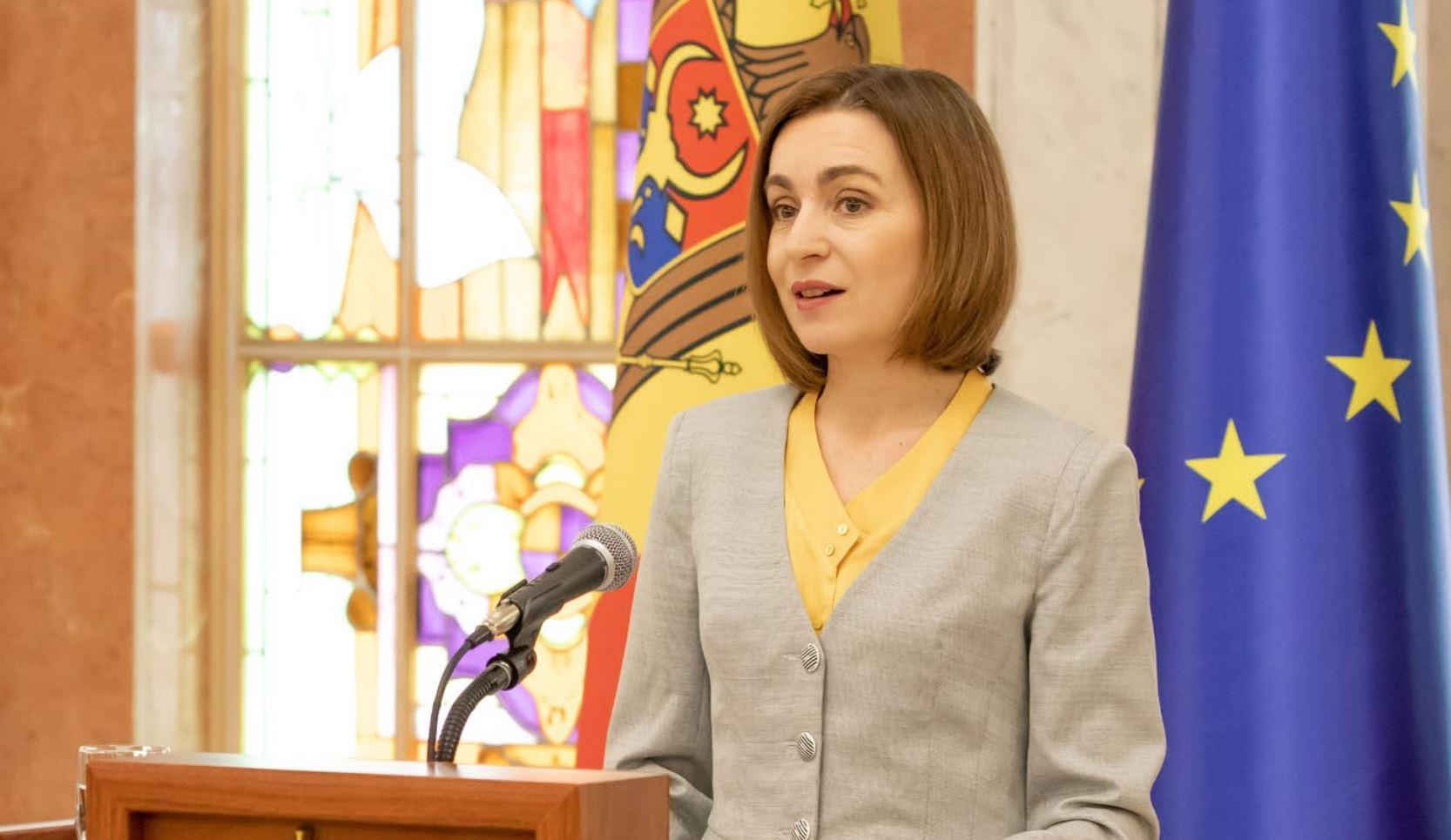
This paper examines the barriers that still inhibit women’s political participation in Georgia, Moldova, and Ukraine.
More than 100 years after women gained full citizenship rights through the 19th Amendment, women are still under-represented in government.

Given Mexico's progress in this area, we don't even lead North America. Gender quotas are an effective solution.
This brief explores how constitutional advocates for women’s equality in Myanmar can advance women’s representation and meaningful participation in public decision-making and institutions.

Linda Reynolds’ newfound enthusiasm for quotas ignores the many reasons women are turning away from her party.

If we want more women with children to become MPs, we need family-friendly policies for parents like me in the Commons.
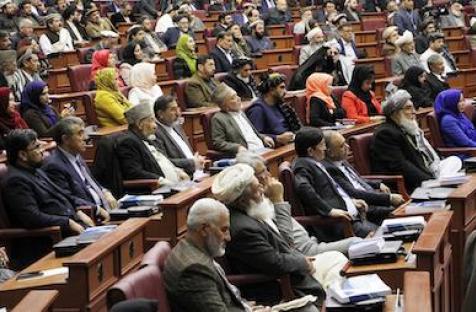
On the eve of the International Day of Parliamentarism and the IPU’s 133rd anniversary on 30 June, a snapshot of the state of parliaments and parliamentarians offers mixed results.