
March 6, 2018
Statement of UNDP's Administrator on International Women’s Day 2018
Theme: “The Time is Now: Rural and Urban Activists Transforming Women’s Lives”
Advocacy and development are activities that represent and promote the needs of specific groups in political and social arenas. One such group is women, who can collectively pressure their leaders for legislative reforms to protect and promote women’s rights and concerns. It is the goal of advocacy groups and lobbyists to ensure that both the public and politicians understand and support their cause, so that it gains strength and credibility. Securing rights and gains for women requires coalition-building, funding, civic education, awareness-raising and individuals willing to lead the way.
While the goals of advocacy and development are similar, the processes are distinctly different. Advocacy involves gaining and exercising power to influence a political action. Employing methods such as demonstrations, public campaigns and civic education, advocacy can be the primary mission of international agencies and civil society organizations seeking to influence global and national decision makers. Women worldwide frequently organize themselves for advocacy purposes, drawing on their collective power to affect legislation, official policies and governmental programs. Lobbying, however, refers to influencing the government and its leaders. Development attempt to sway policy makers and legislators to address specific issues, often by introducing or revising legislation and policy. Development activities may include private meetings with decision makers, public campaigns and demonstrations.
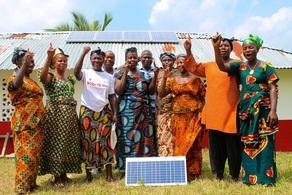
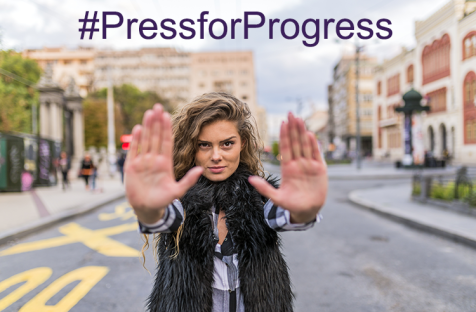
Theme: “The Time is Now: Rural and Urban Activists Transforming Women’s Lives”

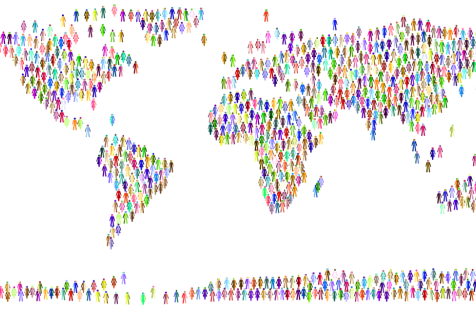
Unequal political representation of women in relation to men remains a problem all over the world. Just 23 per cent of the world’s members of parliament are women.
By Brechtje Kemp and Adina Trunk
By Adina Trunk
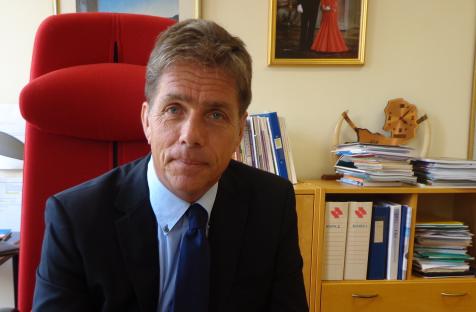
Lilongwe — Norwegian Ambassador to Malawi, Kikkan Haugen has challenged political parties in the country to provide conducive environment for women participation in decision making positions.