Advocacy and Lobbying

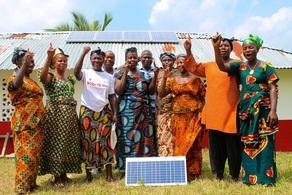
Advocacy and lobbying are activities that represent and promote the needs of specific groups in political and social arenas. One such group is women, who can collectively pressure their leaders for legislative reforms to protect and promote women’s rights and concerns. It is the goal of advocacy groups and lobbyists to ensure that both the public and politicians understand and support their cause, so that it gains strength and credibility. Securing rights and gains for women requires coalition-building, funding, civic education, awareness-raising and individuals willing to lead the way.

While the goals of advocacy and lobbying are similar, the processes are distinctly different. Advocacy involves gaining and exercising power to influence a political action. Employing methods such as demonstrations, public campaigns and civic education, advocacy can be the primary mission of international agencies and civil society organizations seeking to influence global and national decision makers. Women worldwide frequently organize themselves for advocacy purposes, drawing on their collective power to affect legislation, official policies and governmental programs. Lobbying, however, refers to influencing the government and its leaders. Lobbyists attempt to sway policy makers and legislators to address specific issues, often by introducing or revising legislation and policy. Lobbying activities may include private meetings with decision makers, public campaigns and demonstrations.

Gender-sensitive and Pro-poor Indicators of Governance

Back
February 13, 2007

Gender-sensitive and Pro-poor Indicators of Governance

This paper argues that effective poverty eradication measures and pro-poor governance indicators must take into account women's perspectives and needs.

This paper argues that effective poverty eradication measures and pro-poor governance indicators must take into account women's perspectives and needs.

Gender and Poverty: An Analysis for Action

Back
February 13, 2007

Gender and Poverty: An Analysis for Action

This paper explores the gendered dimensions of poverty, of poverty-producing processes, and of the methods for formulating gender-sensitive poverty eradication measures within the context of development.

This paper explores the gendered dimensions of poverty, of poverty-producing processes, and of the methods for formulating gender-sensitive poverty eradication measures within the context of development.

From Involvement to Empowerment - People Living with HIV/AIDS in Asia-Pacific

Back
February 13, 2007

From Involvement to Empowerment - People Living with HIV/AIDS in Asia-Pacific

This report documents the efforts by UNDP to support the empowerment of people living with HIV/AIDS (PLWHA) and related organizations in the Asia Pacific region from 2001 to 2004. It examines the achievements made and the lessons learned in the process.

This report documents the efforts by UNDP to support the empowerment of people living with HIV/AIDS (PLWHA) and related organizations in the Asia Pacific region from 2001 to 2004. It examines the achievements made and the lessons learned in the process.

Final Evaluation of UNDP Semipalatinsk Programme Outcomes

Back
February 13, 2007

Final Evaluation of UNDP Semipalatinsk Programme Outcomes

This report evaluates the outcomes of the UNDP Semipalatinsk Programme, which aimed at alleviating poverty and raising living standards among women, small-scale entrepreneurs and rural people in the Semipalatinsk region of Kazakhstan.

This report evaluates the outcomes of the UNDP Semipalatinsk Programme, which aimed at alleviating poverty and raising living standards among women, small-scale entrepreneurs and rural people in the Semipalatinsk region of Kazakhstan.

Essays on Gender and Governance

Back
February 13, 2007

Essays on Gender and Governance

The essays in this volume explore the multiple factors that influence the process of engendering governance in complex societies. They focus particularly on the changing roles of various actors such as women’s movements, the state and civil society.

The essays in this volume explore the multiple factors that influence the process of engendering governance in complex societies. They focus particularly on the changing roles of various actors such as women’s movements, the state and civil society.

Enhancing Women's Participation in Electoral Processes in Post-conflict Countries

Back
February 13, 2007

Enhancing Women's Participation in Electoral Processes in Post-conflict Countries

This paper addresses the characteristics of electoral processes in post-conflict countries.

This paper addresses the characteristics of electoral processes in post-conflict countries.

Engendering Macroeconomics and Macroeconomics Policies

Back
February 13, 2007

Engendering Macroeconomics and Macroeconomics Policies

This article discusses the relevance of gender in the context of macroeconomic analysis, arguing that macroeconomic policies are gender-biased in their effects and that gender inequalities at the micro- and meso- levels have macroeconomic implications.

This article discusses the relevance of gender in the context of macroeconomic analysis, arguing that macroeconomic policies are gender-biased in their effects and that gender inequalities at the micro- and meso- levels have macroeconomic implications.

Energy and Women: National Consultation for Swaziland

Back
February 13, 2007

Energy and Women: National Consultation for Swaziland

This report outlines the problems faced by women in the energy sector of Swaziland. It explores solutions for alleviating women's energy problems in the country and identifies means by which they can develop sustainable energy projects that can also lead to income generation.

This report outlines the problems faced by women in the energy sector of Swaziland. It explores solutions for alleviating women's energy problems in the country and identifies means by which they can develop sustainable energy projects that can also lead to income generation.

Energy and Women: Generating Opportunities for Development

Back
February 13, 2007

Energy and Women: Generating Opportunities for Development

This report is the result of the National Consultative Meeting that was held in Blantyre, Malawi in June 1999.

This report is the result of the National Consultative Meeting that was held in Blantyre, Malawi in June 1999.