Advocacy and Lobbying
Advocacy and lobbying are activities that represent and promote the needs of specific groups in political and social arenas. One such group is women, who can collectively pressure their leaders for legislative reforms to protect and promote women’s rights and concerns. It is the goal of advocacy groups and lobbyists to ensure that both the public and politicians understand and support their cause, so that it gains strength and credibility. Securing rights and gains for women requires coalition-building, funding, civic education, awareness-raising and individuals willing to lead the way.
While the goals of advocacy and lobbying are similar, the processes are distinctly different. Advocacy involves gaining and exercising power to influence a political action. Employing methods such as demonstrations, public campaigns and civic education, advocacy can be the primary mission of international agencies and civil society organizations seeking to influence global and national decision makers. Women worldwide frequently organize themselves for advocacy purposes, drawing on their collective power to affect legislation, official policies and governmental programs. Lobbying, however, refers to influencing the government and its leaders. Lobbyists attempt to sway policy makers and legislators to address specific issues, often by introducing or revising legislation and policy. Lobbying activities may include private meetings with decision makers, public campaigns and demonstrations.
Videos
May 15, 2017
Women's group calls for more women candidates in Nigeria
Women group bitter as only 54 women submitted forms for
Guide on Women’s Political Networks: Defining Leadership, Breaking Barriers, and Fostering Change
Back
April 10, 2017
Guide on Women’s Political Networks: Defining Leadership, Breaking Barriers, and Fostering Change
Since 1995, the world average of women in parliament has grown from 11.3 percent to 22.7 percent. Although progress is slow going, multiple initiatives can be credited for building momentum behind equal representation.
Print article

Since 1995, the world average of women in parliament has grown from 11.3 percent to 22.7 percent. Although progress is slow going, multiple initiatives can be credited for building momentum behind equal representation.
Videos
Launch of the publication "Women’s Political Networks: Defining Leadership, Breaking Barriers, and Fostering Change"
Back
April 10, 2017
Launch of the publication "Women’s Political Networks: Defining Leadership, Breaking Barriers, and Fostering Change"
Print article
April 4, 2017
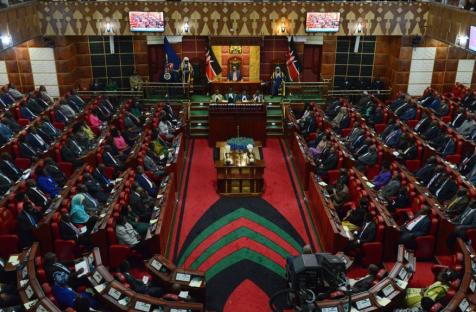
Hope for change as Kenya court rules one-third of MPs must be women
NAIROBI — Kenyan activists on
April 4, 2017
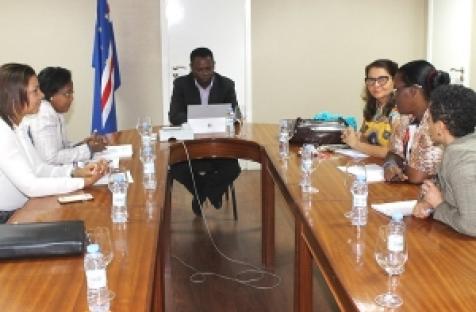
Cabo Verde: Female parliamentarians deliver documents to ministries to advance gender equality
March 30, 2017
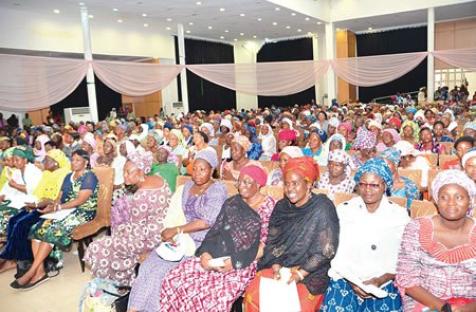
She Forum Africa urges more participation of women in Nigerian politics
The Founder of ‘She Forum Africa’,