Women Deliver 2013, Malaysia
Women Deliver is a global advocacy organization bringing together voices from around the world to call for action to improve the health and well-being of g
Advocacy and development are activities that represent and promote the needs of specific groups in political and social arenas. One such group is women, who can collectively pressure their leaders for legislative reforms to protect and promote women’s rights and concerns. It is the goal of advocacy groups and lobbyists to ensure that both the public and politicians understand and support their cause, so that it gains strength and credibility. Securing rights and gains for women requires coalition-building, funding, civic education, awareness-raising and individuals willing to lead the way.
While the goals of advocacy and development are similar, the processes are distinctly different. Advocacy involves gaining and exercising power to influence a political action. Employing methods such as demonstrations, public campaigns and civic education, advocacy can be the primary mission of international agencies and civil society organizations seeking to influence global and national decision makers. Women worldwide frequently organize themselves for advocacy purposes, drawing on their collective power to affect legislation, official policies and governmental programs. Lobbying, however, refers to influencing the government and its leaders. Development attempt to sway policy makers and legislators to address specific issues, often by introducing or revising legislation and policy. Development activities may include private meetings with decision makers, public campaigns and demonstrations.
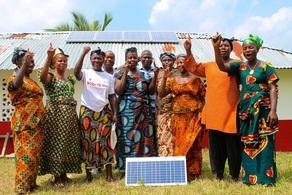
Women Deliver is a global advocacy organization bringing together voices from around the world to call for action to improve the health and well-being of g
General Federation of Sudanese Women said it has immovable trust in the government and its institutions especially the highest legislative and monitoring power, the parliament.
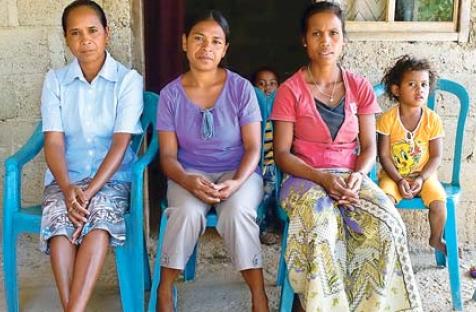
There is no doubt that much is being done politically to tackle gender inequality in Timor-Leste.
The absence of specific initiatives such as affirmative action to implement global, continental and regional commitments that promote gender equality in participation and representation in decision-making processes is hindering women’s involvement in national processes for sustainable development
28 January - 1 February 2013
Kathmandu, Nepal
CREA's Feminist Leadership, Movement Building, and Rights Institute South Asia
28 January - 1 February 2013
Kathmandu, Nepal
Guam Congresswoman Bordallo spoke at the official opening ceremony for 20th Convention of the Federation of Asia-Pacific Women’s Association [FAWA].
Guam is hosting this year's FAWA Convention for the 5th time. It is taking place this weekend at the Hyatt.
Guam will be hosting the FAWA International Convention for the 5th time October 25-28, 2012. Over 110 off-island delegates and over 100 Guam delegates will be in attendance. The Opening Ceremony is a formal event and we are inviting all media.