Advocacy and Lobbying

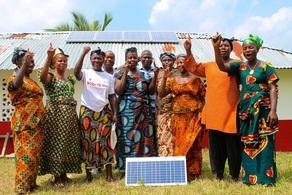
Advocacy and lobbying are activities that represent and promote the needs of specific groups in political and social arenas. One such group is women, who can collectively pressure their leaders for legislative reforms to protect and promote women’s rights and concerns. It is the goal of advocacy groups and lobbyists to ensure that both the public and politicians understand and support their cause, so that it gains strength and credibility. Securing rights and gains for women requires coalition-building, funding, civic education, awareness-raising and individuals willing to lead the way.

While the goals of advocacy and lobbying are similar, the processes are distinctly different. Advocacy involves gaining and exercising power to influence a political action. Employing methods such as demonstrations, public campaigns and civic education, advocacy can be the primary mission of international agencies and civil society organizations seeking to influence global and national decision makers. Women worldwide frequently organize themselves for advocacy purposes, drawing on their collective power to affect legislation, official policies and governmental programs. Lobbying, however, refers to influencing the government and its leaders. Lobbyists attempt to sway policy makers and legislators to address specific issues, often by introducing or revising legislation and policy. Lobbying activities may include private meetings with decision makers, public campaigns and demonstrations.

EWL Lobbying Kit: No Modern European Democracy without Gender Equality

Back
October 7, 2008

EWL Lobbying Kit: No Modern European Democracy without Gender Equality

The Kit has been produced in the context of the EWL Campaign “No Modern European Democracy without Gender Equality” to be launched officially in September 2009. The Kit comprises of two sections.

The Kit has been produced in the context of the EWL Campaign “No Modern European Democracy without Gender Equality” to be launched officially in September 2009. The Kit comprises of two sections.

Agreed Conclusions of the Commission on the Status of Women on the Critical Areas of Concern of the Beijing Platform for Action

Back
September 25, 2008

Agreed Conclusions of the Commission on the Status of Women on the Critical Areas of Concern of the Beijing Platform for Action

This resource highlights action-oriented agreed conclusions on a number of issues, including women in power and decision-making, and institutional mechanism for the advancement of women.

This resource highlights action-oriented agreed conclusions on a number of issues, including women in power and decision-making, and institutional mechanism for the advancement of women.

Mapping Aid Effectiveness and Gender Equality in Asia Pacific: Regional Issues and Trends

Back
September 18, 2008

Mapping Aid Effectiveness and Gender Equality in Asia Pacific: Regional Issues and Trends

This report provides an overview of the issues and trends that emerged from mapping studies on aid effectiveness, gender equality and women’s empowerment in Indonesia, Nepal and Papua New Guinea.

This report provides an overview of the issues and trends that emerged from mapping studies on aid effectiveness, gender equality and women’s empowerment in Indonesia, Nepal and Papua New Guinea.

Indian Experience of Women’s Quota in Local Government: Implications for Future Strategies

Back
August 28, 2008

Indian Experience of Women’s Quota in Local Government: Implications for Future Strategies

This paper highlights Indian experiences with introducing and using gender quotas in politics at local and national levels. It also describes different types of potential candidates and the impact of various players, such as media and women's organizations, on women's political participation.

This paper highlights Indian experiences with introducing and using gender quotas in politics at local and national levels. It also describes different types of potential candidates and the impact of various players, such as media and women's organizations, on women's political participation.

Event

Working with Women Candidates and Women Voters during Elections

Back
July 24, 2008

Working with Women Candidates and Women Voters during Elections

This consolidated response highlights tools used to empower women candidates, such as providing training, working with political parties, using affirmative action measures,and holding outreach campaigns.

This consolidated response highlights tools used to empower women candidates, such as providing training, working with political parties, using affirmative action measures,and holding outreach campaigns.

MDG3 Global Call to Action Campaign

Back
July 7, 2008

MDG3 Global Call to Action Campaign

MDG3 Global Call to Action campaign focuses on the third Millennium Development Goal (MDG 3) on gender equality and women's economic empowerment.

MDG3 Global Call to Action campaign focuses on the third Millennium Development Goal (MDG 3) on gender equality and women's economic empowerment.

Training Workshop on Leadership, Media & Conflict Management for Women in Afghanistan

Back
June 30, 2008

Training Workshop on Leadership, Media & Conflict Management for Women in Afghanistan

This is a synopsis of a training workshop on leadership, media and conflict management for women in Afghanistan conducted by UNFPA. It includes a short description of each discussion topics and a detailed agenda of the workshop.

This is a synopsis of a training workshop on leadership, media and conflict management for women in Afghanistan conducted by UNFPA. It includes a short description of each discussion topics and a detailed agenda of the workshop.

Gender Mainstreaming in South-East Asia

Back
June 20, 2008

Gender Mainstreaming in South-East Asia

This consolidated response highlights the role of international organizations, national governments, and non-profit women’s organizations in mainstreaming gender into national policies and legislation of the South-East Asian countries.

This consolidated response highlights the role of international organizations, national governments, and non-profit women’s organizations in mainstreaming gender into national policies and legislation of the South-East Asian countries.