Advocacy and Lobbying

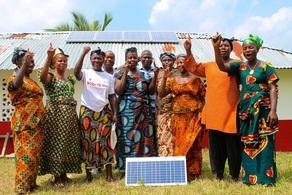
Advocacy and lobbying are activities that represent and promote the needs of specific groups in political and social arenas. One such group is women, who can collectively pressure their leaders for legislative reforms to protect and promote women’s rights and concerns. It is the goal of advocacy groups and lobbyists to ensure that both the public and politicians understand and support their cause, so that it gains strength and credibility. Securing rights and gains for women requires coalition-building, funding, civic education, awareness-raising and individuals willing to lead the way.

While the goals of advocacy and lobbying are similar, the processes are distinctly different. Advocacy involves gaining and exercising power to influence a political action. Employing methods such as demonstrations, public campaigns and civic education, advocacy can be the primary mission of international agencies and civil society organizations seeking to influence global and national decision makers. Women worldwide frequently organize themselves for advocacy purposes, drawing on their collective power to affect legislation, official policies and governmental programs. Lobbying, however, refers to influencing the government and its leaders. Lobbyists attempt to sway policy makers and legislators to address specific issues, often by introducing or revising legislation and policy. Lobbying activities may include private meetings with decision makers, public campaigns and demonstrations.

Resource Guide for Gender Theme Groups

Back
May 21, 2008

Resource Guide for Gender Theme Groups

This guide focuses on how to collaborate around women's empowerment and gender equality issues at the country level and to mainstream gender equality concerns into gender related international programs and plans of action.

This guide focuses on how to collaborate around women's empowerment and gender equality issues at the country level and to mainstream gender equality concerns into gender related international programs and plans of action.

When Women Win, the Country Wins Poster

Back
May 17, 2008

When Women Win, the Country Wins Poster

This poster was a part of media campaign held by women in the 2003 elections in Jordan. It says "When Women Win, the Country Wins".

This poster was a part of media campaign held by women in the 2003 elections in Jordan. It says "When Women Win, the Country Wins".

Women Today

Back
April 7, 2008

Women Today

This report examines the role of women in development processes and stereotypes existing in society against women in Bosnia and Herzegovina.

This report examines the role of women in development processes and stereotypes existing in society against women in Bosnia and Herzegovina.

DAC Source Book on Concepts and Approaches Linked to Gender Equality

Back
March 4, 2008

DAC Source Book on Concepts and Approaches Linked to Gender Equality

The DAC Working Party on Gender Equality has drawn together a set of practical guidelines for advancing the goals identified by the OECD Development Assistance Committee and by the Beijing Platform for Action (1995) with respect to gender equality and the empowerment of women.

The DAC Working Party on Gender Equality has drawn together a set of practical guidelines for advancing the goals identified by the OECD Development Assistance Committee and by the Beijing Platform for Action (1995) with respect to gender equality and the empowerment of women.

A Guide to Feminist Advocacy

Back
February 28, 2008

A Guide to Feminist Advocacy

This article describes benefits and challenges of feminist advocacy. It offers tips for successful advocacy and describes strategies to be incorporated into current and future work.

This article describes benefits and challenges of feminist advocacy. It offers tips for successful advocacy and describes strategies to be incorporated into current and future work.

Talking of Gender: Words and Meanings in Development Organisations

Back
February 28, 2008

Talking of Gender: Words and Meanings in Development Organisations

This article reflects on the vocabulary commonly used within development organisations to communicate about 'gender and development'. It argues that the relevant terminology, though frequently used, remains problematic.

This article reflects on the vocabulary commonly used within development organisations to communicate about 'gender and development'. It argues that the relevant terminology, though frequently used, remains problematic.

Gender Networking and Advocacy Work in Uganda: Controlling the Agenda and Strategies of Resistance

Back
February 28, 2008

Gender Networking and Advocacy Work in Uganda: Controlling the Agenda and Strategies of Resistance

This article examines the relationships between various actors in Uganda who have an interest in advocacy on gender issues.

This article examines the relationships between various actors in Uganda who have an interest in advocacy on gender issues.

Point of order, Mr Speaker: African Women Claiming Their Space in Parliament

Back
February 28, 2008

Point of order, Mr Speaker: African Women Claiming Their Space in Parliament

At the close of the millennium, there is a wave of invigorating air sweeping across the African continent. The refreshing breeze can be felt in the form of women smashing the gendered 'glass ceiling' in a bid to overcome the cultural and structural barriers that impede their political careers.

At the close of the millennium, there is a wave of invigorating air sweeping across the African continent. The refreshing breeze can be felt in the form of women smashing the gendered 'glass ceiling' in a bid to overcome the cultural and structural barriers that impede their political careers.

The Politics of the Marginalised: Dalits and Women's Activism in India

Back
February 28, 2008

The Politics of the Marginalised: Dalits and Women's Activism in India

This article describes how caste identity determines the place that women activists are given by villagers in their fieldwork and within women's organisations.

This article describes how caste identity determines the place that women activists are given by villagers in their fieldwork and within women's organisations.