Advocacy and Lobbying

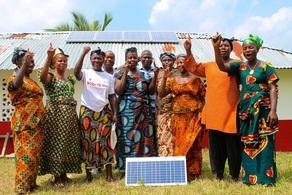
Advocacy and lobbying are activities that represent and promote the needs of specific groups in political and social arenas. One such group is women, who can collectively pressure their leaders for legislative reforms to protect and promote women’s rights and concerns. It is the goal of advocacy groups and lobbyists to ensure that both the public and politicians understand and support their cause, so that it gains strength and credibility. Securing rights and gains for women requires coalition-building, funding, civic education, awareness-raising and individuals willing to lead the way.

While the goals of advocacy and lobbying are similar, the processes are distinctly different. Advocacy involves gaining and exercising power to influence a political action. Employing methods such as demonstrations, public campaigns and civic education, advocacy can be the primary mission of international agencies and civil society organizations seeking to influence global and national decision makers. Women worldwide frequently organize themselves for advocacy purposes, drawing on their collective power to affect legislation, official policies and governmental programs. Lobbying, however, refers to influencing the government and its leaders. Lobbyists attempt to sway policy makers and legislators to address specific issues, often by introducing or revising legislation and policy. Lobbying activities may include private meetings with decision makers, public campaigns and demonstrations.

BRIDGE Cutting Edge Packs Gender and Migration

Back
March 12, 2007

BRIDGE Cutting Edge Packs Gender and Migration

How does migration advance or impede gender equality? How can policy-makers and practitioners promote gender equality in work on migration? Migration can bring new opportunities for greater gender equality and a better life, for those migrating and those they leave behind.

How does migration advance or impede gender equality? How can policy-makers and practitioners promote gender equality in work on migration? Migration can bring new opportunities for greater gender equality and a better life, for those migrating and those they leave behind.

Gender and Sexuality

Back
March 12, 2007

Gender and Sexuality

Gender and sexuality are important in political struggles and development. This report explores the framework of sexual rights and the work of the United Nations in areas of gender and sexual rights, as well as describes efforts to focus activism and programming on defending sexual rights.

Gender and sexuality are important in political struggles and development. This report explores the framework of sexual rights and the work of the United Nations in areas of gender and sexual rights, as well as describes efforts to focus activism and programming on defending sexual rights.

Gender and HIV/AIDS

Back
March 12, 2007

Gender and HIV/AIDS

This report outlines the importance of locating HIV/AIDS within a gendered human rights framework. It analyzes how HIV/AIDS exacerbates gender inequality, and how gender inequality shapes the economic, political, and social factors driving the HIV epidemic.

This report outlines the importance of locating HIV/AIDS within a gendered human rights framework. It analyzes how HIV/AIDS exacerbates gender inequality, and how gender inequality shapes the economic, political, and social factors driving the HIV epidemic.

Young Women Leaders: A Real Trend or Utopia?

Back
March 12, 2007

Young Women Leaders: A Real Trend or Utopia?

This essay discusses the importance of young women leaders to influence Malaysian politics and issues a challenge to young women leaders to strengthen the forces of democracy.

This essay discusses the importance of young women leaders to influence Malaysian politics and issues a challenge to young women leaders to strengthen the forces of democracy.

Issues in Women's Political Empowerment in the Asia-Pacific Region

Back
March 12, 2007

Issues in Women's Political Empowerment in the Asia-Pacific Region

This paper assesses the status, critical issues, and future directions of women’s political participation in the Asia-Pacific region four years after the signing of the Beijing Platform for Action.

This paper assesses the status, critical issues, and future directions of women’s political participation in the Asia-Pacific region four years after the signing of the Beijing Platform for Action.

Strategic Planning to Move Public Policy: Serbia Program

Back
March 12, 2007

Strategic Planning to Move Public Policy: Serbia Program

This training material provides recommendations and guidelines for promoting public policy among citizens in Serbia.

This training material provides recommendations and guidelines for promoting public policy among citizens in Serbia.

Promoting Effective Democratic Reform in Semi-Authoritarian States and Pseudo-Democracies

Back
March 12, 2007

Promoting Effective Democratic Reform in Semi-Authoritarian States and Pseudo-Democracies

This paper discusses the importance of promoting global democratic reform using tailored, country-specific approaches.

This paper discusses the importance of promoting global democratic reform using tailored, country-specific approaches.

Internal Communication: A Critical Function for Political Parties

Back
March 9, 2007

Internal Communication: A Critical Function for Political Parties

This presentation explains the importance of good internal communication. It describes how to use and maintain good communication within and outside the party.

This presentation explains the importance of good internal communication. It describes how to use and maintain good communication within and outside the party.

Principles of Coalition Building

Back
March 9, 2007

Principles of Coalition Building

This document highlights the critical elements of coalition building, such as defining a mission and goals, winning ad hoc support, strengthening organizational competency, and taking action for advocacy.

This document highlights the critical elements of coalition building, such as defining a mission and goals, winning ad hoc support, strengthening organizational competency, and taking action for advocacy.