Advocacy and Lobbying

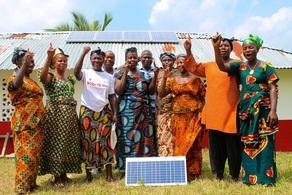
Advocacy and lobbying are activities that represent and promote the needs of specific groups in political and social arenas. One such group is women, who can collectively pressure their leaders for legislative reforms to protect and promote women’s rights and concerns. It is the goal of advocacy groups and lobbyists to ensure that both the public and politicians understand and support their cause, so that it gains strength and credibility. Securing rights and gains for women requires coalition-building, funding, civic education, awareness-raising and individuals willing to lead the way.

While the goals of advocacy and lobbying are similar, the processes are distinctly different. Advocacy involves gaining and exercising power to influence a political action. Employing methods such as demonstrations, public campaigns and civic education, advocacy can be the primary mission of international agencies and civil society organizations seeking to influence global and national decision makers. Women worldwide frequently organize themselves for advocacy purposes, drawing on their collective power to affect legislation, official policies and governmental programs. Lobbying, however, refers to influencing the government and its leaders. Lobbyists attempt to sway policy makers and legislators to address specific issues, often by introducing or revising legislation and policy. Lobbying activities may include private meetings with decision makers, public campaigns and demonstrations.

Women's Rights to a Political Voice in Thailand

Back
February 15, 2007

Women's Rights to a Political Voice in Thailand

This report highlights the current status of women’s role in government in Thailand. It analyzes the reasons behind the slow progress to date, and proposes ways and means to overcome existing barriers to women in politics.

This report highlights the current status of women’s role in government in Thailand. It analyzes the reasons behind the slow progress to date, and proposes ways and means to overcome existing barriers to women in politics.

Women in Government Source Kit

Back
February 15, 2007

Women in Government Source Kit

This resource kit provides tools for learning about the issues surrounding the campaign for gender balance or parity in government and gender balance in politics more generally.

This resource kit provides tools for learning about the issues surrounding the campaign for gender balance or parity in government and gender balance in politics more generally.

Urban Governance: Why Gender Matters

Back
February 14, 2007

Urban Governance: Why Gender Matters

This paper explores gender issues as they relate to participation in urban governance, government responsibility and civic engagement.

This paper explores gender issues as they relate to participation in urban governance, government responsibility and civic engagement.

Performances of Resistance: Women's Struggle for Political Power in Cambodia

Back
February 14, 2007

Performances of Resistance: Women's Struggle for Political Power in Cambodia

This paper explores how politically engaged Cambodian women build strategies and perform various types of resistance against the male domination of democratic arenas. It investigates possible ways to eliminate gendered hierarchies of power and how to alter the stereotypes of men and women.

This paper explores how politically engaged Cambodian women build strategies and perform various types of resistance against the male domination of democratic arenas. It investigates possible ways to eliminate gendered hierarchies of power and how to alter the stereotypes of men and women.

The Gender Question (Chapter excerpt from the Orissa Human Development Report 2004)

Back
February 14, 2007

The Gender Question (Chapter excerpt from the Orissa Human Development Report 2004)

The Orissa Human Development Report 2004 analyzes the Indian state's attainments vis-à-vis three basic tenets that define human development: livelihood, health and education, as well as some key issues central to human development such as food security and vulnerability to natural disasters.

The Orissa Human Development Report 2004 analyzes the Indian state's attainments vis-à-vis three basic tenets that define human development: livelihood, health and education, as well as some key issues central to human development such as food security and vulnerability to natural disasters.

Discussion Paper for the Round Table on Human Rights, Gender and HIV/AIDS

Back
February 14, 2007

Discussion Paper for the Round Table on Human Rights, Gender and HIV/AIDS

This paper is aimed at stimulating discussions in the round table on human rights, gender and HIV/AIDS. It discusses the human rights and gender targets in the Declaration of Commitment on HIV/AIDS and elaborates on strategies to achieve these targets.

This paper is aimed at stimulating discussions in the round table on human rights, gender and HIV/AIDS. It discusses the human rights and gender targets in the Declaration of Commitment on HIV/AIDS and elaborates on strategies to achieve these targets.

Estonian Human Development Report 2002: Human Development and Policy Making

Back
February 14, 2007

Estonian Human Development Report 2002: Human Development and Policy Making

This report analyzes the formulation of policy regarding human development in Estonia. It examines the extent to which good governance principles, with the basic elements of decentralization, transparency, lawfulness and participation, are followed in Estonia.

This report analyzes the formulation of policy regarding human development in Estonia. It examines the extent to which good governance principles, with the basic elements of decentralization, transparency, lawfulness and participation, are followed in Estonia.

Gender and The Millennium Development Goals

Back
February 13, 2007

Gender and The Millennium Development Goals

This fact sheet emphasizes the importance of engendering efforts to achieve the Millienium Development Goals (MDGs) and suggests several ways to make the MDG implementation and reporting process more gender-sensitive.

This fact sheet emphasizes the importance of engendering efforts to achieve the Millienium Development Goals (MDGs) and suggests several ways to make the MDG implementation and reporting process more gender-sensitive.