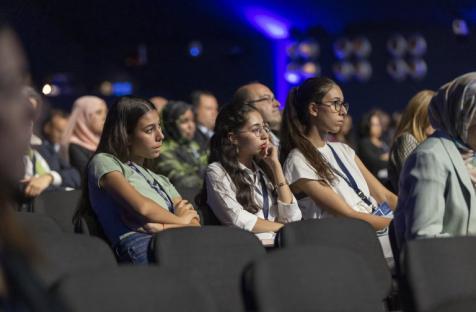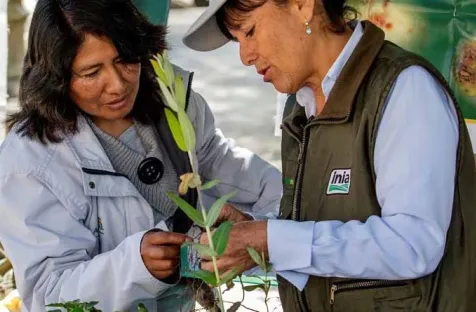
Today, we commemorate the United Nations Day. We are reminded of the UN's noble mission to promote peace, human rights and development for all.
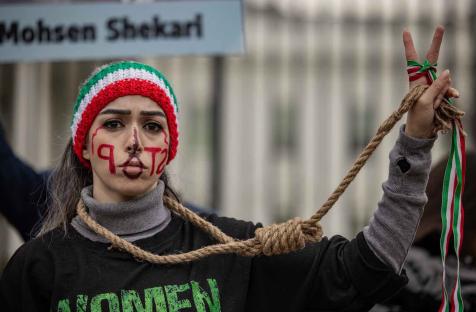
Advocacy and lobbying are activities that represent and promote the needs of specific groups in political and social arenas. One such group is women, who can collectively pressure their leaders for legislative reforms to protect and promote women’s rights and concerns. It is the goal of advocacy groups and lobbyists to ensure that both the public and politicians understand and support their cause, so that it gains strength and credibility. Securing rights and gains for women requires coalition-building, funding, civic education, awareness-raising and individuals willing to lead the way.
While the goals of advocacy and lobbying are similar, the processes are distinctly different. Advocacy involves gaining and exercising power to influence a political action. Employing methods such as demonstrations, public campaigns and civic education, advocacy can be the primary mission of international agencies and civil society organizations seeking to influence global and national decision makers. Women worldwide frequently organize themselves for advocacy purposes, drawing on their collective power to affect legislation, official policies and governmental programs. Lobbying, however, refers to influencing the government and its leaders. Lobbyists attempt to sway policy makers and legislators to address specific issues, often by introducing or revising legislation and policy. Lobbying activities may include private meetings with decision makers, public campaigns and demonstrations.
Today, we commemorate the United Nations Day. We are reminded of the UN's noble mission to promote peace, human rights and development for all.
Over half of Arizona’s voters were women in 2020, according to a CNN exit poll.
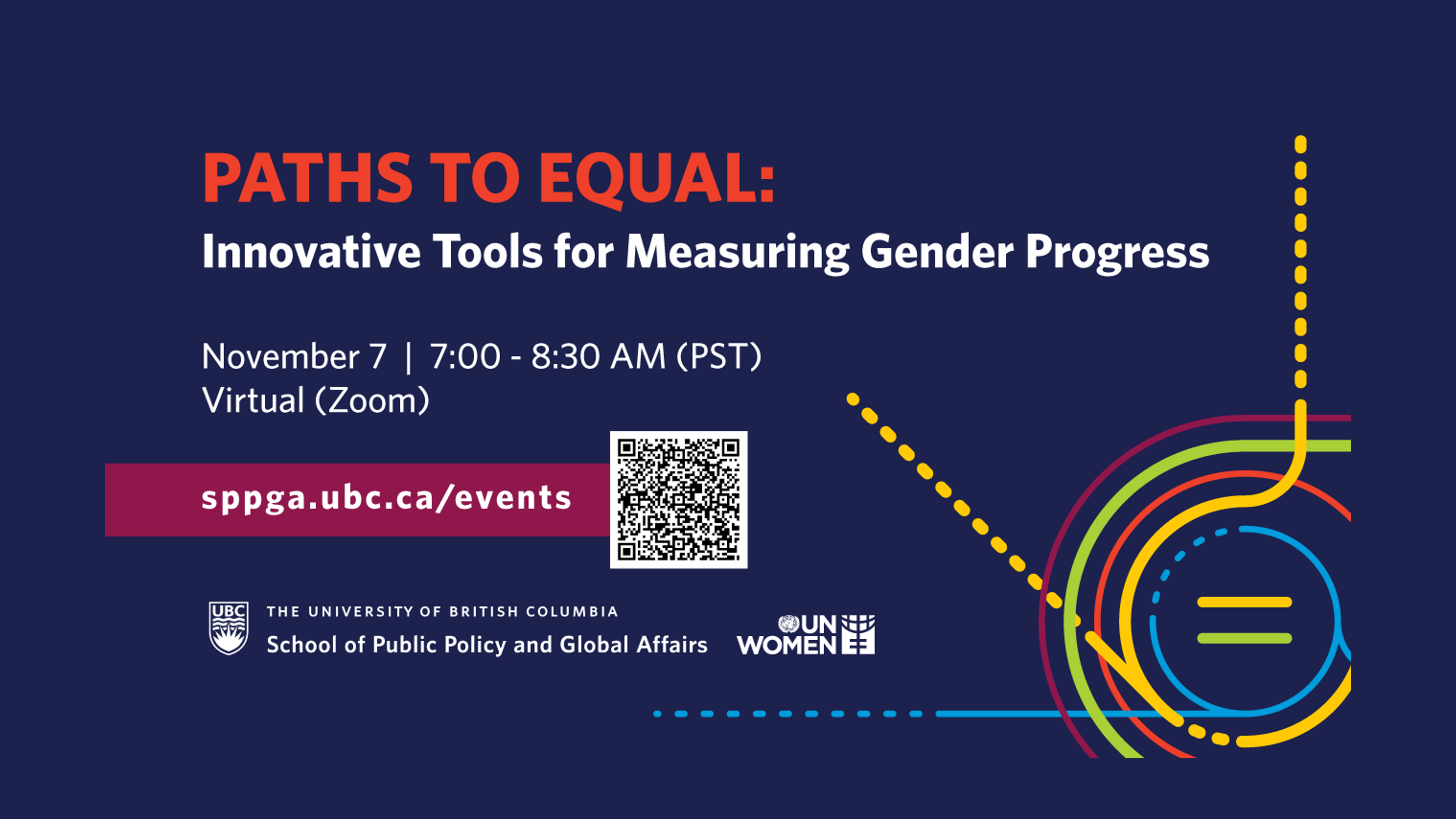
Join our panelists for an insightful discussion on a new set of gender indices developed to monitor progress on gender equality and women’s rights globally.
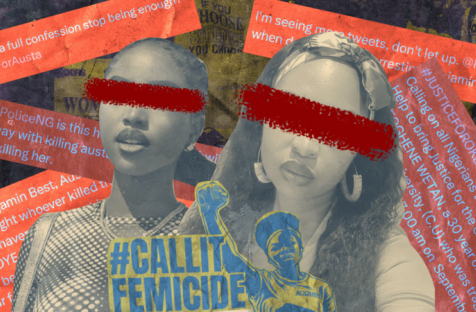
Across Africa, women are being murdered at alarming rates, often by intimate partners or a male family member.
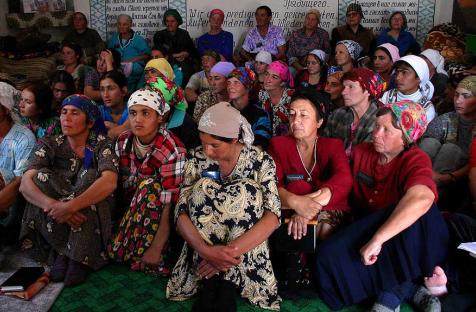
Many women in Tajikistan are subject to all-encompassing control over nearly every aspect of their daily lives: from husbands, family members, and the state.
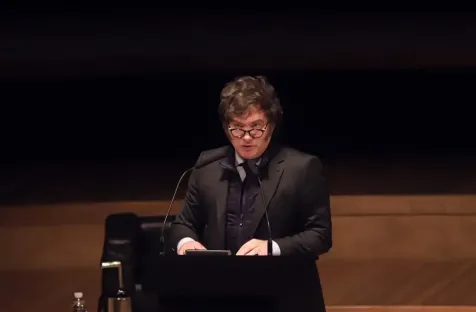
Argentina was the only G20 member country that refused to sign a gender equality and women empowerment statement put forward by Brazil on Monday. The document includes a list of commitments aimed at “ending gender-based violence and misogyny.”
The World Bank Group (WBG) released its final 2024-2030 Gender Strategy
16 October 2024, Ghana: UN Women recently published The Gender Snapshot 2024. While the report highlighted some positive developments, no indicator under SDG Goal 5, Gender Equality, has been achieved.