Distinguished Guests,
Dear friends,
It is an absolute pleasure to be here today with so many bright, passionate, young leaders and changemakers.
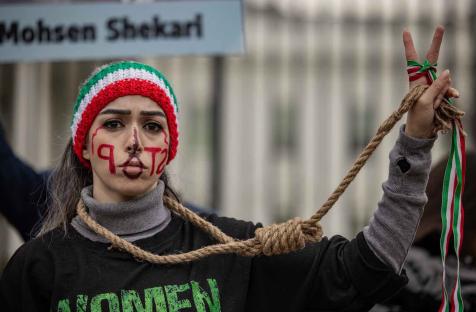
Advocacy and lobbying are activities that represent and promote the needs of specific groups in political and social arenas. One such group is women, who can collectively pressure their leaders for legislative reforms to protect and promote women’s rights and concerns. It is the goal of advocacy groups and lobbyists to ensure that both the public and politicians understand and support their cause, so that it gains strength and credibility. Securing rights and gains for women requires coalition-building, funding, civic education, awareness-raising and individuals willing to lead the way.
While the goals of advocacy and lobbying are similar, the processes are distinctly different. Advocacy involves gaining and exercising power to influence a political action. Employing methods such as demonstrations, public campaigns and civic education, advocacy can be the primary mission of international agencies and civil society organizations seeking to influence global and national decision makers. Women worldwide frequently organize themselves for advocacy purposes, drawing on their collective power to affect legislation, official policies and governmental programs. Lobbying, however, refers to influencing the government and its leaders. Lobbyists attempt to sway policy makers and legislators to address specific issues, often by introducing or revising legislation and policy. Lobbying activities may include private meetings with decision makers, public campaigns and demonstrations.
Distinguished Guests,
Dear friends,
It is an absolute pleasure to be here today with so many bright, passionate, young leaders and changemakers.
As we gear up for one of the most pivotal elections in history, it’s clear that women are more politically inspired than ever.
Implementation Of The Beijing Declaration And Platform For Action (1995) And The Outcomes Of The Twenty Third Special Session Of The General Assembly (2000) In The Context Of The Of The Thirtieth Anniversary Of The Fourth World Conference On Women And The Adoption Of Th
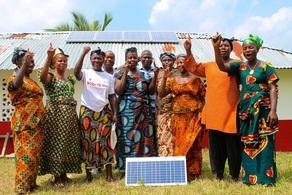
In the remote yet strikingly beautiful Nguruman Escarpment of Kajiado County, Kenya, a transformative initiative is unfolding.
For decades, a key goal of activists and policymakers has been involving women in politics.
Throughout its history, Pakistan has grappled with enduring patriarchal norms and cultural customs that confine women to the domestic sphere, obstructing their engagement in broader societal roles.
UNITED NATIONS 25 September 2024 (IDN) — The first eight months of 2024—described as a “super election year”—have seen limited progress in women’s representation in parliaments worldwide.
On March 14, 2024, rural women from communities in the Federal Capital Territory of Nigeria expressed concerns over women’s low inclusion in politics.