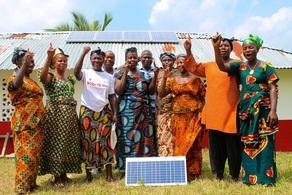
Key women inclusion advocacy groups in Nigeria and other stakeholders have kick-started a robust conversation on how more women would participate in politics going forward, especially starting from 2027 general elections in the country.
Advocacy and lobbying are activities that represent and promote the needs of specific groups in political and social arenas. One such group is women, who can collectively pressure their leaders for legislative reforms to protect and promote women’s rights and concerns. It is the goal of advocacy groups and lobbyists to ensure that both the public and politicians understand and support their cause, so that it gains strength and credibility. Securing rights and gains for women requires coalition-building, funding, civic education, awareness-raising and individuals willing to lead the way.
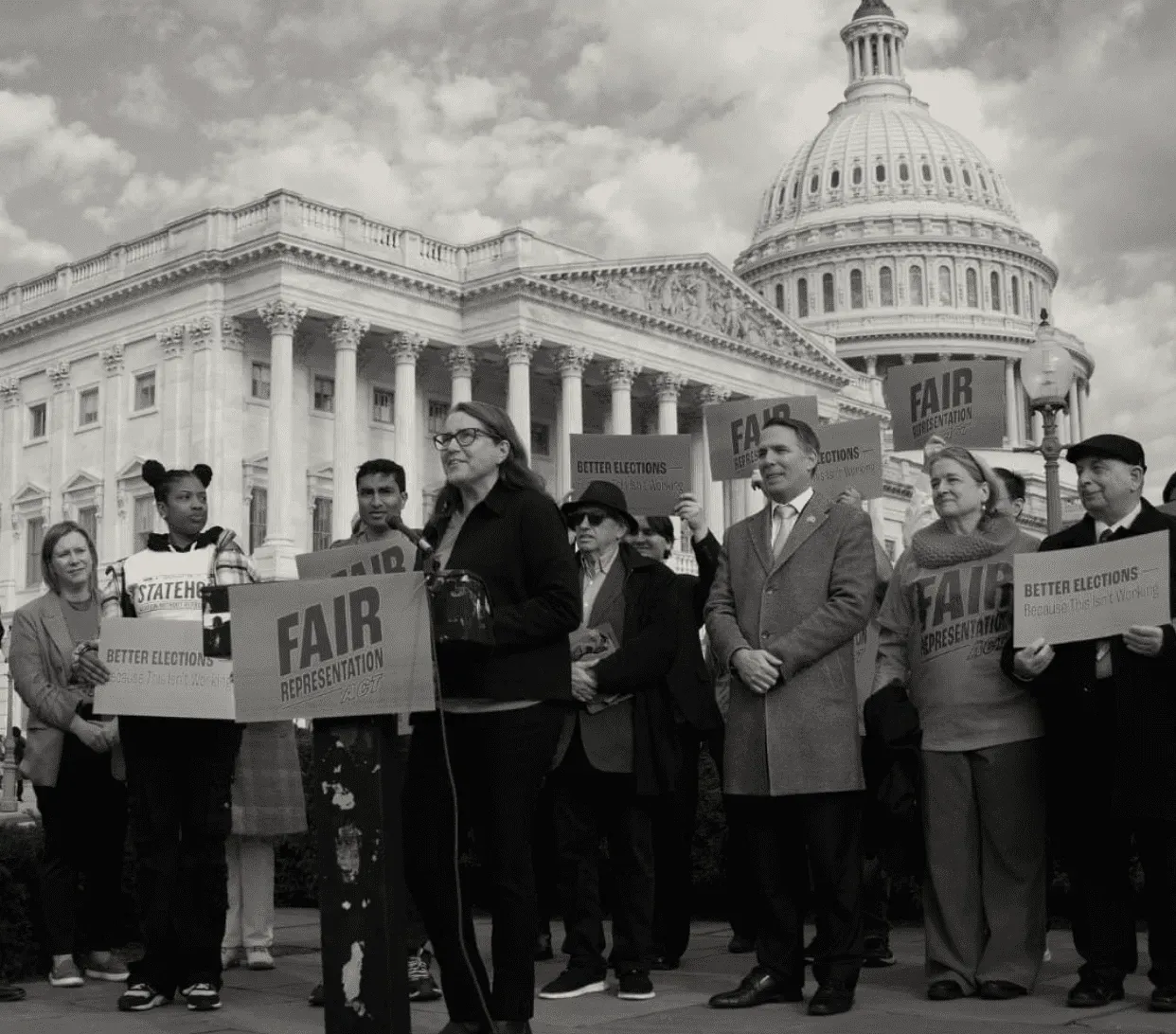
While the goals of advocacy and lobbying are similar, the processes are distinctly different. Advocacy involves gaining and exercising power to influence a political action. Employing methods such as demonstrations, public campaigns and civic education, advocacy can be the primary mission of international agencies and civil society organizations seeking to influence global and national decision makers. Women worldwide frequently organize themselves for advocacy purposes, drawing on their collective power to affect legislation, official policies and governmental programs. Lobbying, however, refers to influencing the government and its leaders. Lobbyists attempt to sway policy makers and legislators to address specific issues, often by introducing or revising legislation and policy. Lobbying activities may include private meetings with decision makers, public campaigns and demonstrations.
Key women inclusion advocacy groups in Nigeria and other stakeholders have kick-started a robust conversation on how more women would participate in politics going forward, especially starting from 2027 general elections in the country.
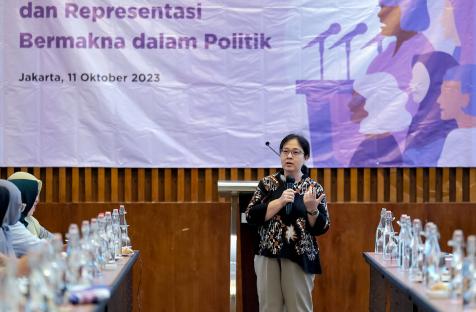
Jakarta, Indonesia — UN Women Indonesia joined the Indonesian Women's Coalition, the Association for Elections and Democracy, and the Center for Political Studies at the University of Indonesia in organizing the Dialogue Forum of Women Politicians and C
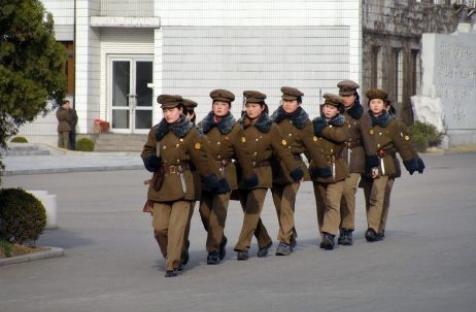
On International Women’s Day on March 8, North Korea held various events to celebrate the country’s women, repeating what has become more or less a national slogan, “Women Are Flowers,” and hailing the country as a “paradise” for women.
The Senate of the Oliy Majlis of the Republic of Uzbekistan, in collaboration with the Republican Commission for Increasing the Role of Women in Society, Gender Equality, and Family Issues, the United Nations Development Programme and with the financial support of the U
The CFP seeks to engage partners to support the implementation of activities on advancement of women participation in public life.
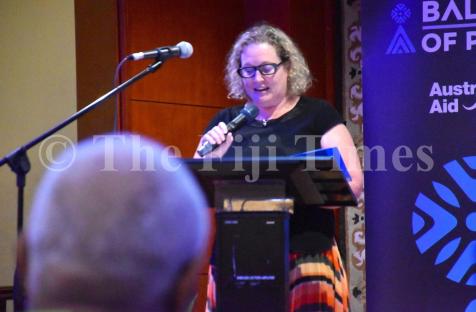
Less than 7 per cent of Pacific politicians are women, compared with 27 per cent globally.
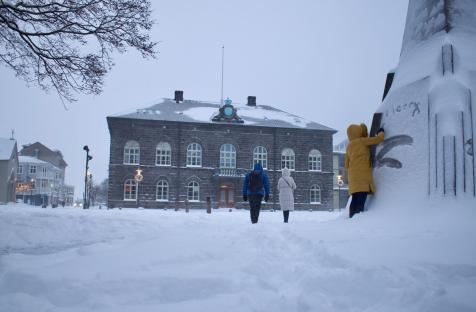
Iceland has an excellent record on gender equality, topping the World Economic Forum’s ranking of most gender equal country for 14 consecutive years.
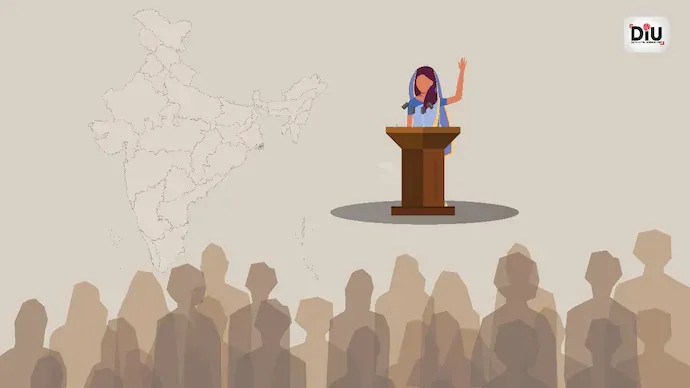
A historic law, the Nari Shakti Vandan Adhiniyam, 2023, mandates the reservation of one-third of the total seats in the Lok Sabha, state Assemblies, and the Legislative Assembly of the National Capital Territory of Delhi for women.
Weekend Reading on Women’s Representation is a compilation of stories about women’s representation in politics, on boards, in sports and entertainment,