15 strategies helping to close the gender gap around the world
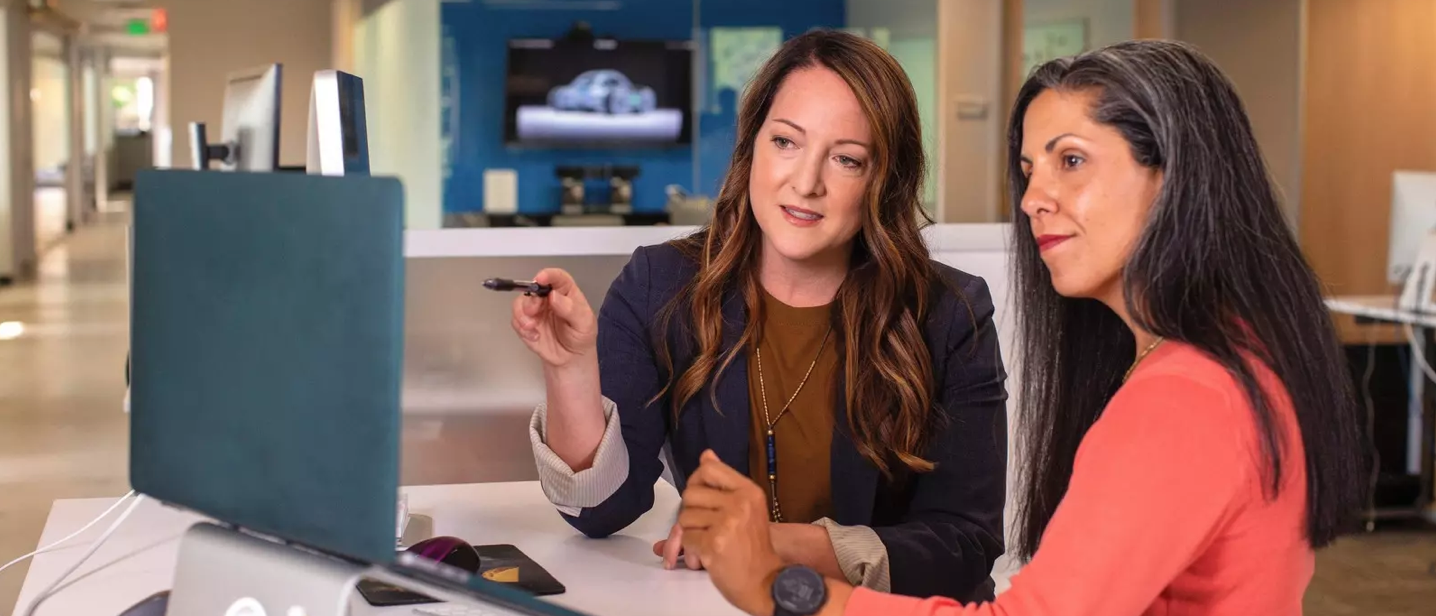
- Gender equality has suffered since the pandemic began.
- It will now take an estimated 135.6 years to close the worldwide gender gap between men and women.
Advocacy and development are activities that represent and promote the needs of specific groups in political and social arenas. One such group is women, who can collectively pressure their leaders for legislative reforms to protect and promote women’s rights and concerns. It is the goal of advocacy groups and lobbyists to ensure that both the public and politicians understand and support their cause, so that it gains strength and credibility. Securing rights and gains for women requires coalition-building, funding, civic education, awareness-raising and individuals willing to lead the way.
While the goals of advocacy and development are similar, the processes are distinctly different. Advocacy involves gaining and exercising power to influence a political action. Employing methods such as demonstrations, public campaigns and civic education, advocacy can be the primary mission of international agencies and civil society organizations seeking to influence global and national decision makers. Women worldwide frequently organize themselves for advocacy purposes, drawing on their collective power to affect legislation, official policies and governmental programs. Lobbying, however, refers to influencing the government and its leaders. Development attempt to sway policy makers and legislators to address specific issues, often by introducing or revising legislation and policy. Development activities may include private meetings with decision makers, public campaigns and demonstrations.
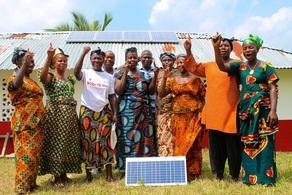
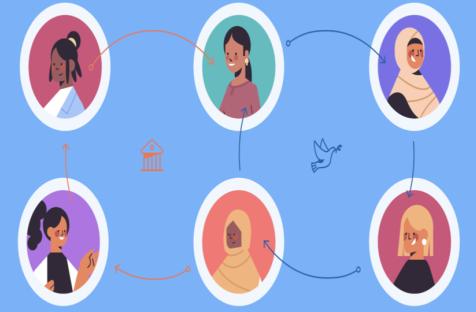
On International Women’s Day, UNDP and UN Women launched the Gender Justice Platform to leverage their partnership on gender justice. Since 2020, UN Women and UNDP have joined together to enable access to justice for 42,000 individuals.
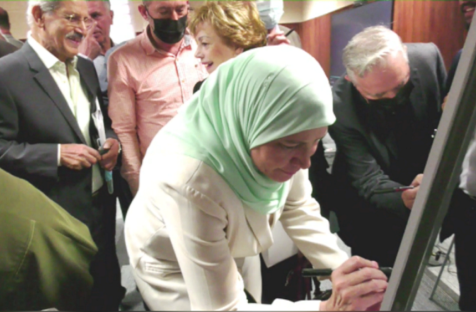
International IDEA works to reduce the gap between women's rights as affirmed in the legal texts in the different Arab countries and the low rates of women in decision-making positions.

Advancing gender equality in the context of the climate crisis and disaster risk reduction is one of the greatest global challenges of the 21st century.
Enhancing Women's Political Participation in Africa is a Pan-African gender project on the different facets of Women and Politics in Africa.

Action is needed to avoid losing a generation of women and minorities in politics, MPs have argued today.

This report and accompanying policy brief is intended to trigger a UN ‘rethink’ about women’s participation in transitional justice at both the policy and programme levels.
On International Women’s Day, we celebrate women and girls everywhere.
On International Women’s Day, we celebrate women and girls everywhere.
On International Women’s Day, we celebrate women and girls everywhere.