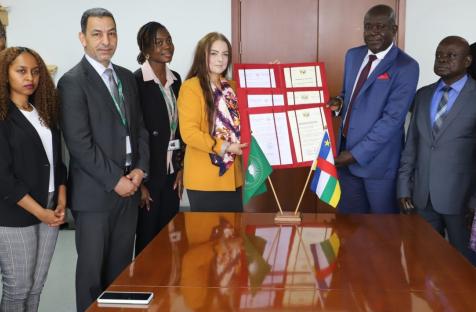
Reacting to the ratification of the Protocol to the African Charter on Human and Peoples’ Rights on the Rights of Women in Africa, (
Advocacy and lobbying are activities that represent and promote the needs of specific groups in political and social arenas. One such group is women, who can collectively pressure their leaders for legislative reforms to protect and promote women’s rights and concerns. It is the goal of advocacy groups and lobbyists to ensure that both the public and politicians understand and support their cause, so that it gains strength and credibility. Securing rights and gains for women requires coalition-building, funding, civic education, awareness-raising and individuals willing to lead the way.
While the goals of advocacy and lobbying are similar, the processes are distinctly different. Advocacy involves gaining and exercising power to influence a political action. Employing methods such as demonstrations, public campaigns and civic education, advocacy can be the primary mission of international agencies and civil society organizations seeking to influence global and national decision makers. Women worldwide frequently organize themselves for advocacy purposes, drawing on their collective power to affect legislation, official policies and governmental programs. Lobbying, however, refers to influencing the government and its leaders. Lobbyists attempt to sway policy makers and legislators to address specific issues, often by introducing or revising legislation and policy. Lobbying activities may include private meetings with decision makers, public campaigns and demonstrations.
Reacting to the ratification of the Protocol to the African Charter on Human and Peoples’ Rights on the Rights of Women in Africa, (
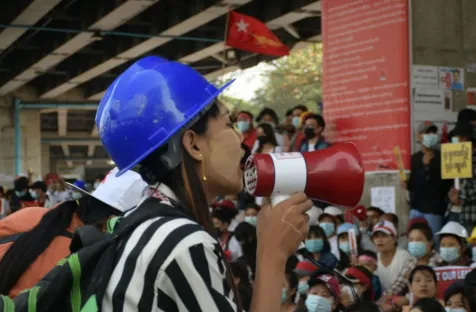
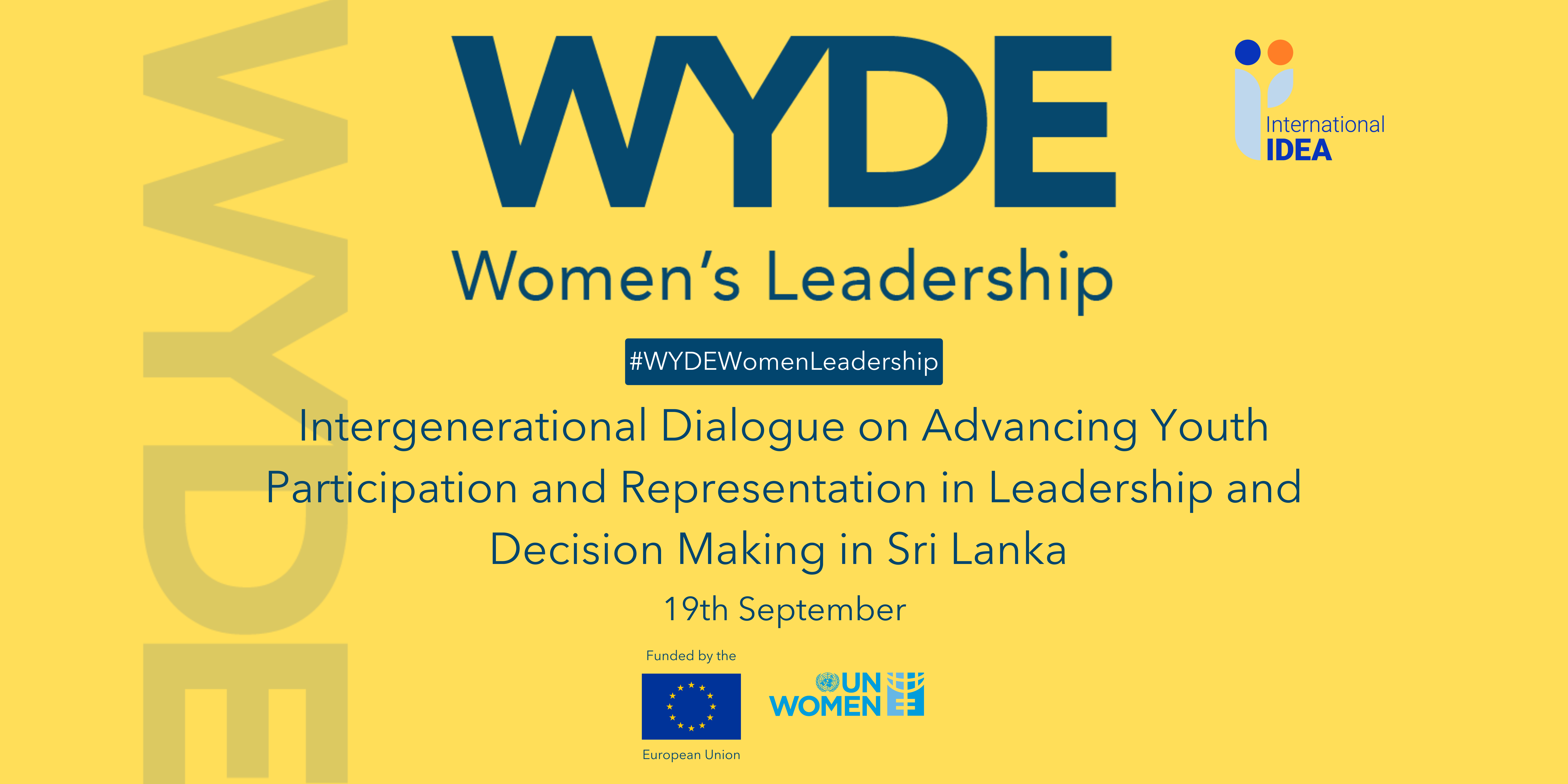
The International Institute for Democracy and Electoral Assistance (International IDEA) is organizing a one-day Intergenerat
On 12 August, the Inter-Parliamentary Union (IPU) celebrated International Youth Day by organizing a webinar for members of parliament and international partners that would highlight new tools and initiatives aimed at empowering young parliamentarians.
President Netumbo Nandi-Ndaitwah reaffirmed Namibia’s firm commitment to promoting gender equality across all sectors.
She emphasised that women’s emancipation is both a constitutional duty and a moral obligation.
The empowerment of all women and girls was firmly upheld at the 2025 High-Level Political Forum (HLPF) – the United Nation’s central platform for reviewing progress on the Sustainable Development Goals – as world leade
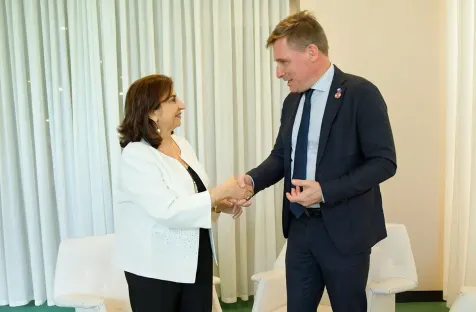
The Executive Director of the United Nations Entity for Gender Equality and the Empowerment of Women (UN Women) and the President of the European Economic and Social Committee (EESC) signed a pivotal Joint Declaration today on the sidelines of the High-Level Political F
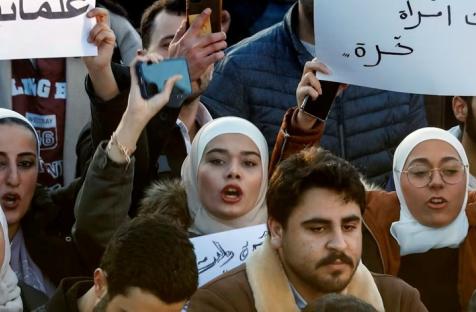
The end of the oppressive Assad regime in Syria in late 2024 has been broadly welcomed on the global stage – underscored by the fact the United States and Eu
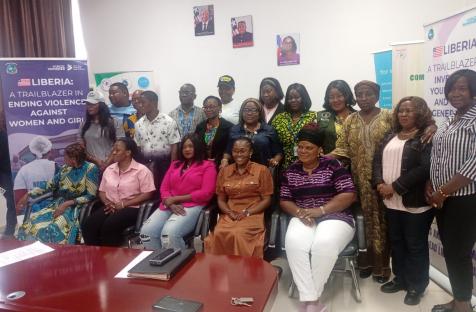
UN Women, in collaboration with the Ministry of Gender, Children and Social Protection (MGCSP), has concluded a one-day Post-CSW69 National Dialogue in Liberia, outlining concrete national actions to accelerate the implementation of the Beijing+30 Action Agenda and addr