Elected to lead: A webinar on women and democracy

This year marks the 100th anniversary of women's suffrage in Sweden, practiced for the first time in September 1921.
Advocacy and development are activities that represent and promote the needs of specific groups in political and social arenas. One such group is women, who can collectively pressure their leaders for legislative reforms to protect and promote women’s rights and concerns. It is the goal of advocacy groups and lobbyists to ensure that both the public and politicians understand and support their cause, so that it gains strength and credibility. Securing rights and gains for women requires coalition-building, funding, civic education, awareness-raising and individuals willing to lead the way.
While the goals of advocacy and development are similar, the processes are distinctly different. Advocacy involves gaining and exercising power to influence a political action. Employing methods such as demonstrations, public campaigns and civic education, advocacy can be the primary mission of international agencies and civil society organizations seeking to influence global and national decision makers. Women worldwide frequently organize themselves for advocacy purposes, drawing on their collective power to affect legislation, official policies and governmental programs. Lobbying, however, refers to influencing the government and its leaders. Development attempt to sway policy makers and legislators to address specific issues, often by introducing or revising legislation and policy. Development activities may include private meetings with decision makers, public campaigns and demonstrations.
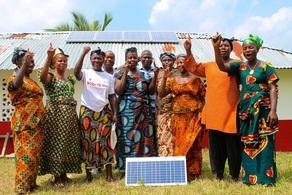
This year marks the 100th anniversary of women's suffrage in Sweden, practiced for the first time in September 1921.

A two-day forum in Somalia that brought together women, the youth, academics, women’s rights activists and political experts concluded deliberations on Wednesday with a call for 30 percent women quota in political representation to be guaranteed.
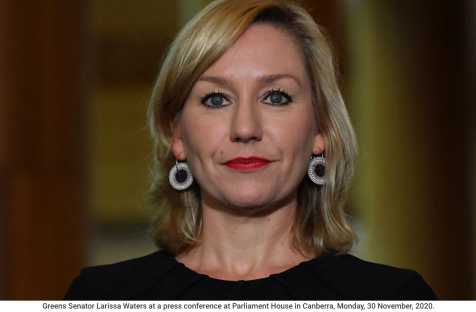
Federal MPs have told a women’s leadership summit a "legacy of misogyny" and "sexist underbelly" continues to plague Australian politics and must be addressed.
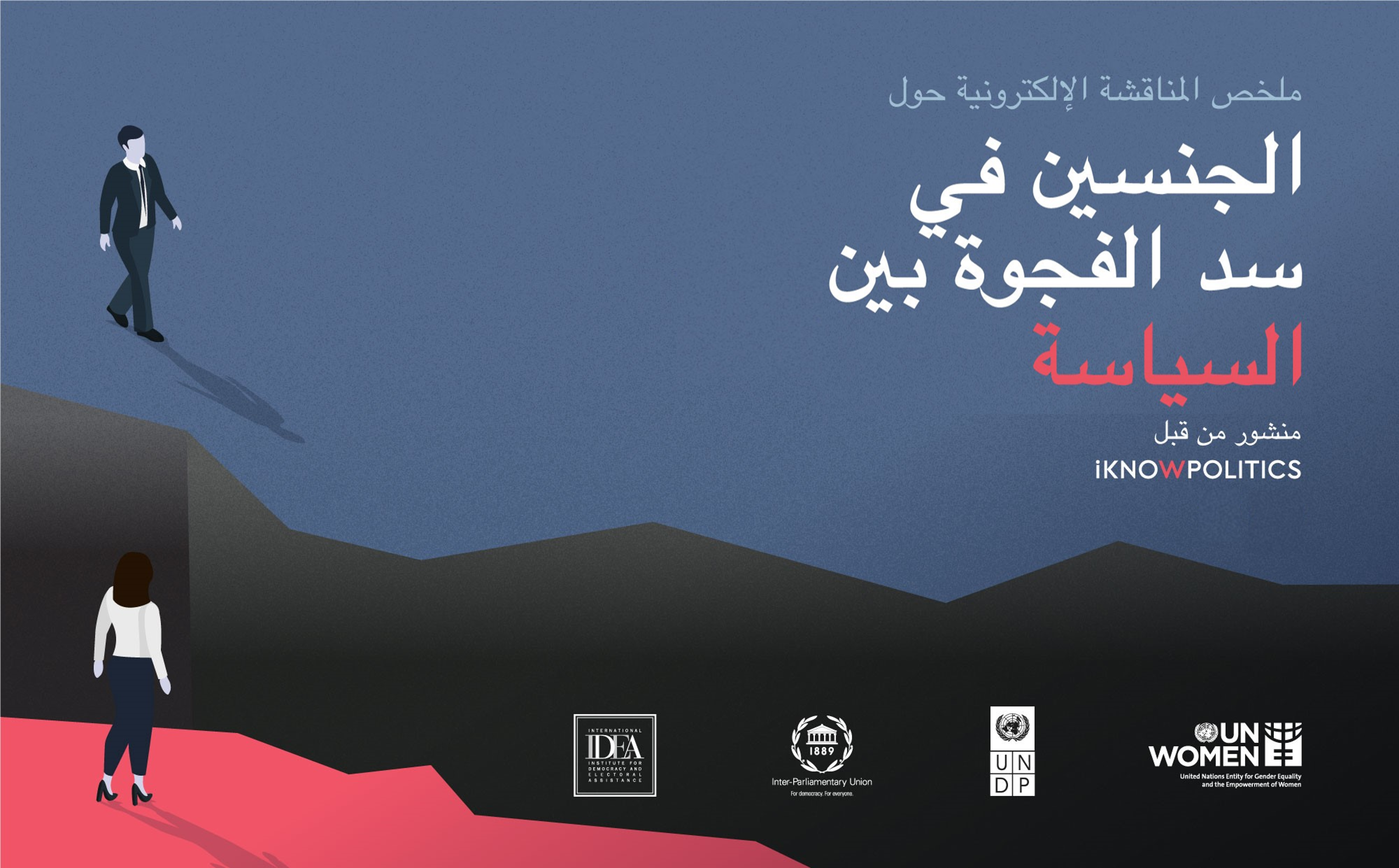
This e-Discussion raised awareness about the slow progress towards achieving full and equal participation of women in politics and gathered exp
At a high-level event on the second day of the landmark Generation Equality Forum in Paris, UN Women, in partnership with the Council of Women World Leaders,
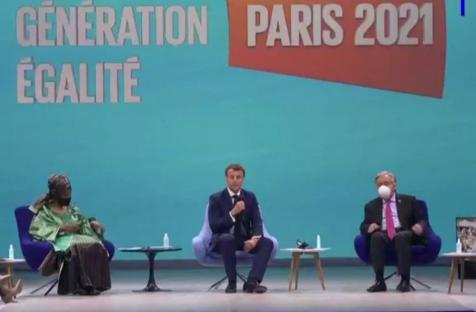
French President Emmanuel Macron and US Vice President Kamala Harris were among those taking part in the UN Generation Equality Forum on Wednesday in Paris.
PACE called on member States to promote the participation of women from under-represented groups in political decision-making by acting at several lev
The event, which took place on 23rd March during the 65th session of the Commission on the Status of Women (CSW65), focused on women in leadership, wo
