Advocacy and Lobbying

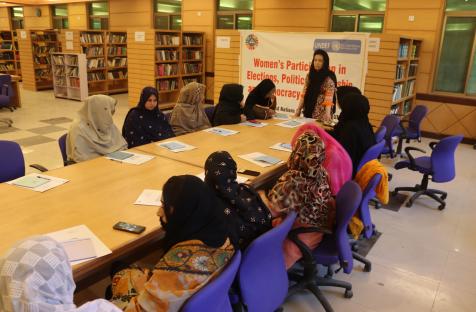
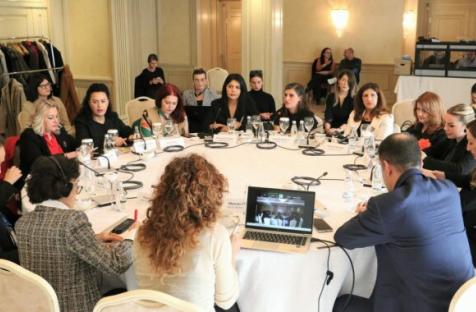
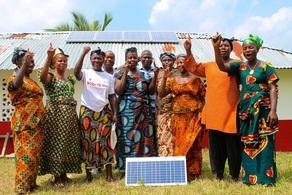
Advocacy and lobbying are activities that represent and promote the needs of specific groups in political and social arenas. One such group is women, who can collectively pressure their leaders for legislative reforms to protect and promote women’s rights and concerns. It is the goal of advocacy groups and lobbyists to ensure that both the public and politicians understand and support their cause, so that it gains strength and credibility. Securing rights and gains for women requires coalition-building, funding, civic education, awareness-raising and individuals willing to lead the way.

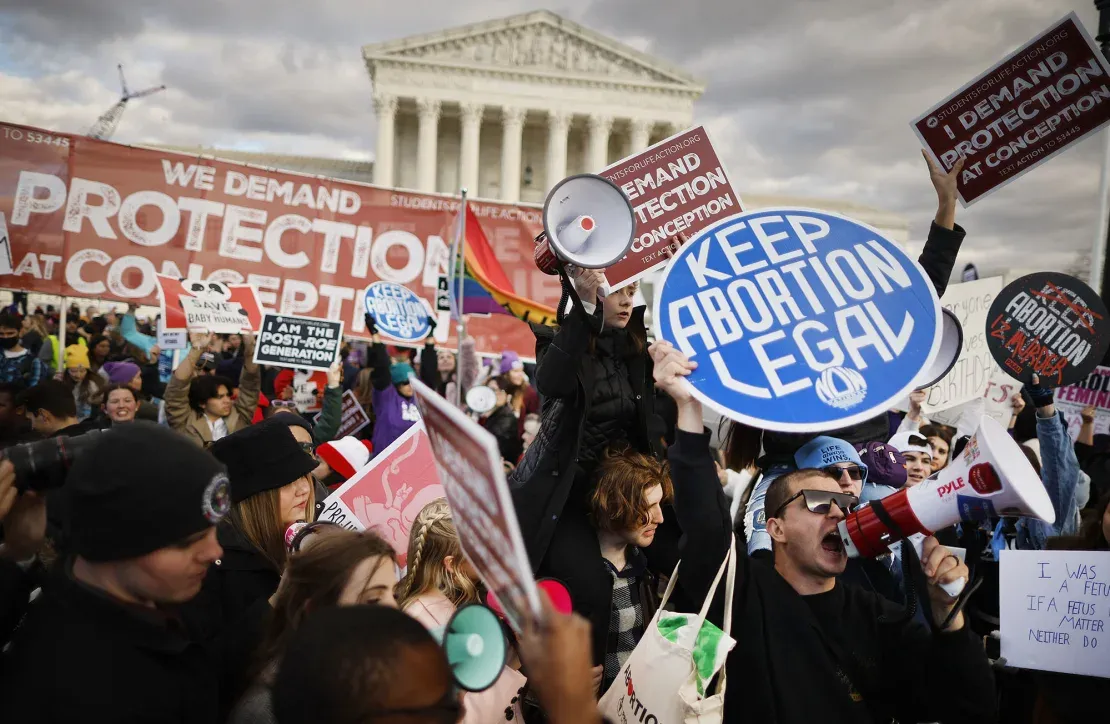
While the goals of advocacy and lobbying are similar, the processes are distinctly different. Advocacy involves gaining and exercising power to influence a political action. Employing methods such as demonstrations, public campaigns and civic education, advocacy can be the primary mission of international agencies and civil society organizations seeking to influence global and national decision makers. Women worldwide frequently organize themselves for advocacy purposes, drawing on their collective power to affect legislation, official policies and governmental programs. Lobbying, however, refers to influencing the government and its leaders. Lobbyists attempt to sway policy makers and legislators to address specific issues, often by introducing or revising legislation and policy. Lobbying activities may include private meetings with decision makers, public campaigns and demonstrations.

July 1, 2014
Turkish women establishing political party

Turkey's first women-only party was established on June 26 after a group of women has submitted a petition to the Interior Ministry, allowing it to participate in parliamentary elections held in 2015.

Presentation on Youth‐ led Structures

Back
June 24, 2014

Presentation on Youth‐ led Structures

Presentation on Youth‐led Structures given by Ivana Savić, Executive Director, CHRDS and Organising Partner for UN Major Group for Children and Youth at the Expert Group Meeting “Youth, D

Presentation on Youth‐led Structures given by Ivana Savić, Executive Director, CHRDS and Organising Partner for UN Major Group for Children and Youth at the Expert Group Meeting “Youth, D

Social Media Guidelines for Parliaments

Back
June 17, 2014

Social Media Guidelines for Parliaments

You cannot wait for the people to come to parliament; you need to go where the people are. Today, the people are on social media.

You cannot wait for the people to come to parliament; you need to go where the people are. Today, the people are on social media.

Event

Pacific Women’s Parliamentary Partnerships Forum 2014

Back

Pacific Women’s Parliamentary Partnerships Forum 2014

Pacific Women’s Parliamentary Partnerships, funded by the Australian Government, will support the professional and skills development of Pacific women parliamentarians and

June 12, 2014
Sushma Swaraj seeks support for women quota, India

Confident of the numbers to clear it, the Narendra Modi government assured the Lok Sabha on Wednesday that it will bring the long-pending legislation on 33% reservation for women in Parliament in the present regime and urged all the other parties to support it.

June 11, 2014
Venezuelan Opposition Leader to Receive 2014 IFES Democracy Award

The International Foundation for Electoral Systems (IFES) will honor Venezuelan opposition leader and Congresswoman Maria Corina Machado with its 2014 Charles T. Manatt Democracy Award.

June 9, 2014
Women’s Parliamentary Caucuses as agents of change

Nation-building processes cannot work and development goals cannot be achieved if women are denied meaningful political participation. To ensure this, Pakistan’s Parliament introduced in 2002 a 17 percent gender quota in all legislative houses.

Training Modules to Increase Women's Political Participation

Back
June 6, 2014

Training Modules to Increase Women's Political Participation

These new training materials take best practices and approaches from NDI's work around the world and make them into a set of tools to increase the quality of training programs for women as voters, advocates, elections officials, political party members, candidates and office holders.

These new training materials take best practices and approaches from NDI's work around the world and make them into a set of tools to increase the quality of training programs for women as voters, advocates, elections officials, political party members, candidates and office holders.

Event