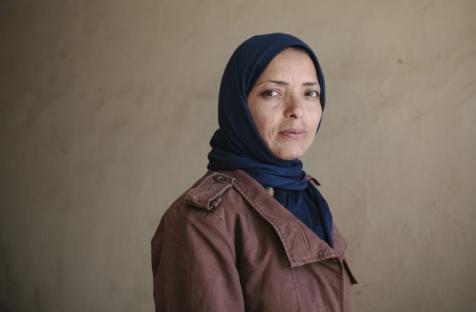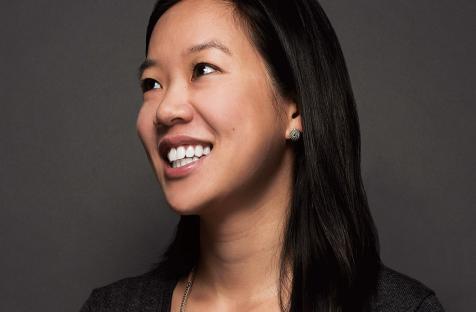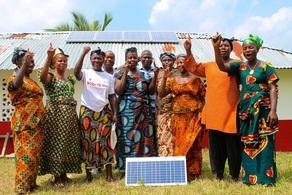
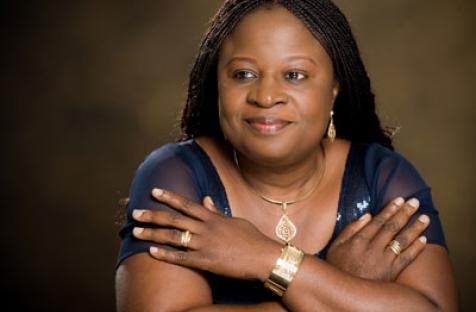
Women from five West African countries converged at the Paradise Suites Hotel from 24 to 28th March 2014 to receive training on leadership skills.
Advocacy and Lobbying
Advocacy and lobbying are activities that represent and promote the needs of specific groups in political and social arenas. One such group is women, who can collectively pressure their leaders for legislative reforms to protect and promote women’s rights and concerns. It is the goal of advocacy groups and lobbyists to ensure that both the public and politicians understand and support their cause, so that it gains strength and credibility. Securing rights and gains for women requires coalition-building, funding, civic education, awareness-raising and individuals willing to lead the way.
While the goals of advocacy and lobbying are similar, the processes are distinctly different. Advocacy involves gaining and exercising power to influence a political action. Employing methods such as demonstrations, public campaigns and civic education, advocacy can be the primary mission of international agencies and civil society organizations seeking to influence global and national decision makers. Women worldwide frequently organize themselves for advocacy purposes, drawing on their collective power to affect legislation, official policies and governmental programs. Lobbying, however, refers to influencing the government and its leaders. Lobbyists attempt to sway policy makers and legislators to address specific issues, often by introducing or revising legislation and policy. Lobbying activities may include private meetings with decision makers, public campaigns and demonstrations.
Would increasing women participation in politics improve Philippine governance?
Some lawmakers and women's rights advocates believe it would.
Prime Minister Portia Simpson Miller says not enough progress has been made to increase the number of women involved in parliamentary decision-making since adult suffrage in 1944, arguing that the pace at which they are being integrated leaves much to be desired.
Camellia Lubis, a 28-year-old dangdut singer popularly known as Camel Petir (Thunder), is one of 2,467 women legislative candidates vying for a seat in the House of Representatives.
Women make up just 9 per cent of Hungarian members of parliament. In this regard Hungary ranks 122nd out of 140 countries. Upcoming parliamentary elections have sparked public discussion of the role of women in politics, family life, and in the country as a whole.
When they did venture beyond their four walls, they wafted through crowded markets covered from head to toe in the all-encompassing burqa.
One of the big headlines for the 2012 elections was the historic number of women elected to state and national offices. New Hampshire became the first state to elect an all women congressional delegation and a woman governor. The U.S.
As the May 23 local and European elections draw nearer, the National Woman's Council of Ireland (NWCI) has formulated six key questions to tease out the ways in which potential candidates are committed to promoting gender equality in political arenas and across all aspects of Irish life.
UN Women welcomes the outcome of the 58th session of the Commission on the Status of Women.
Pagination
- Previous page
- Page 83
- Next page