Young women participating in politics have identified patriarchy, limited access to mentorship, political networks and unsafe political environments as major barriers preventing them
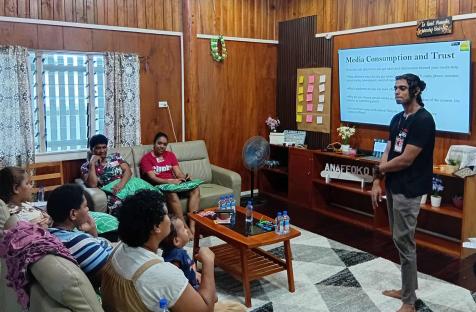
Although much of the iKNOW Politics network is dedicated to increasing women’s political knowledge and participation, there are a number of skills that, while not explicitly political, are necessary to succeed in politics.
Young women participating in politics have identified patriarchy, limited access to mentorship, political networks and unsafe political environments as major barriers preventing them
“We portray women because of their feminine side rather than the things they’ve been able to achieve…‘Mother of five secures whatever’…Would you say ‘father of five’? No, of course not.”
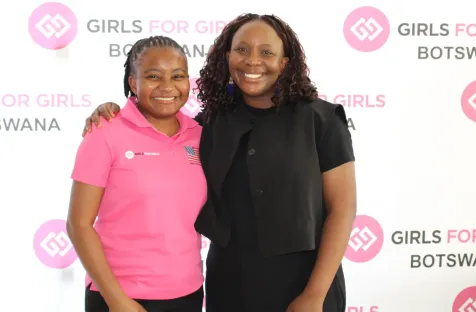
Despite Botswana’s democratic reputation, women remain significantly underrepresented in political leadership. Women make up less than 10% of the country’s current parliament, leaving too few visible pathways for young women aspiring to lead.
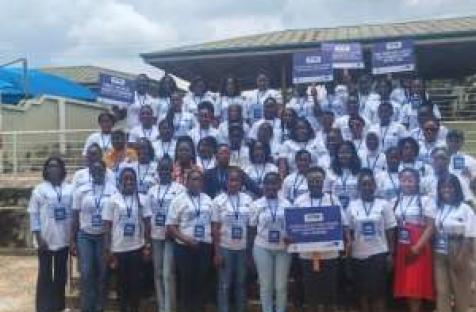
The Erudite Women's Empowerment Foundation has launched the Media for Equality campaign, a gender-transformative advocacy initiative aimed at challenging the social norms, stereotypes and structural barriers that limit women's leadership and political participation in Ghana.
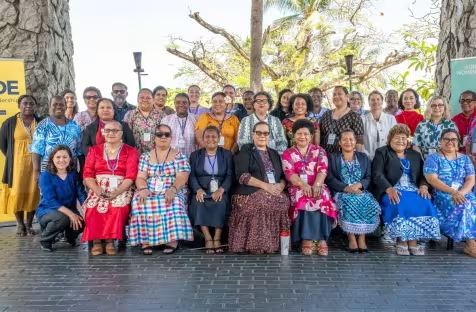
Across the Pacific, women are leading communities, movements, public institutions and national conversations. More women are entering politics and challenging long-standing ideas about who can lead.
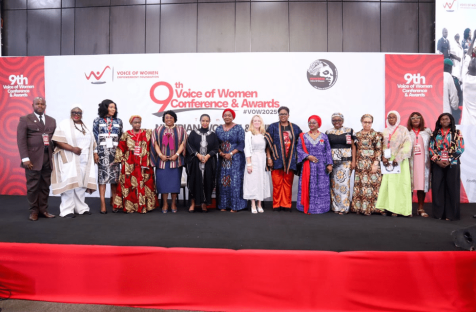
The 10th Voice of Women Conference and Awards (VOW2026) is set to focus on women’s political participation, leadership and representation as women from across Nigeria gather for the anniversary edition of the conference.
Population Reference Bureau (PRB) has released the 2026 World Population Data Sheet, which provides global, regional, and country-specific data on population growth and decline, age structure, and fertility.
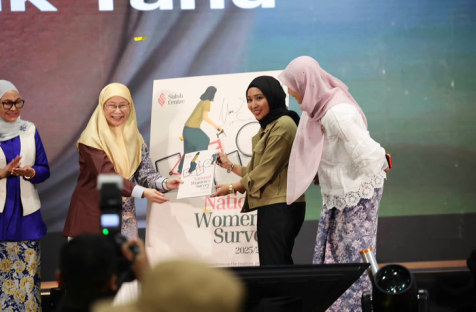
The National Women’s Survey 2025/2026, published by Suluh Centre, found that 62.7% of respondents considered women underrepresented in the country’s legislatures, while only 17.1% believed current representation was adequate.