March 1, 2013
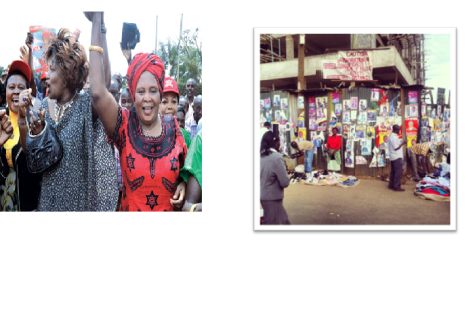
Kenya: Is Kenya’s new constitution helping or hindering women’s political participation?
Kenyans head to the polls on Monday and the country is cove
The right to vote and the right to stand for election are two fundamental elements of democracy. Notably, many countries did not afford women the right to vote until the 20th Century. Even today, universal suffrage is not a given right in all countries, and women often face obstacles that undermine their participation in political and electoral processes. There are various ways to support women in overcoming these obstacles. Such methods include revising the electoral system used, applying affirmative action mechanisms such as quotas, improving voter education for women and training political candidates. These are a few of the modes available to strengthen women’s political participation .Photo©Jens Franssen

Kenyans head to the polls on Monday and the country is cove
An analysis of data and views on Cambodian women's political participation, especially during the 3rd Mandate Commune/Sangkat Council elections in 2012.
An analysis of data and views on Cambodian women's political participation, especially during the 3rd Mandate Commune/Sangkat Council elections in 2012.
The annual sessions of the National People's Congress (NPC) will open on March 5, 2013, and statistics show that the number of female deputies has risen to 699, accounting for 23.4 percent of all deputies, which is nearly 2.1 percent higher than the previous year.
Thirty Saudi women have taken seats in Saudi Arabia's Shura Council, for the first time in the conservative kingdom's history, as they were sworn in before King Abdullah at his palace in the capital, Riyadh.
Last week women from different political parties met in Harare to, among other things, discuss women's participation in the forth-coming referendum and elections.
The National Commission for Women and its counterparts in the states on Wednesday said they will meet the Prime Minister and the leaders of opposition in both the houses of Parliament to press for 33 per cent quota for women in the Lok Sabha and state assemblies.
Human rights activists and civil society organisations continue to seek stronger political representation for Egyptian women in parliament, ahead of elections for the lower house of the legislative authority this year.
Boosting female political representation at July’s national election was the topic of a round-table discussion attended by dozens of political-party representatives, though none from the ruling party, in Phnom Penh yesterday.
Members of Bangladesh Mahila Parishad (BMP), a women's rights organisation, yesterday demanded that the government ensure one-third of the parliamentary seats for women through direct elections.