US: Ranked choice voting can help elect more women candidates
By Betsy Gotbaum and Meridith Maskara.
The right to vote and the right to stand for election are two fundamental elements of democracy. Notably, many countries did not afford women the right to vote until the 20th Century. Even today, universal suffrage is not a given right in all countries, and women often face obstacles that undermine their participation in political and electoral processes. There are various ways to support women in overcoming these obstacles. Such methods include revising the electoral system used, applying affirmative action mechanisms such as quotas, improving voter education for women and training political candidates. These are a few of the modes available to strengthen women’s political participation .Photo©Jens Franssen
By Betsy Gotbaum and Meridith Maskara.
Political parties act as gatekeepers, meaning that improvements in the representation of women depend on parties’ willingness to nominate women candidates.
For several weeks, angry Latin Americans have been protesting in the streets.
Female under-representation in politics continues to be a problem in Botswana, where only three women won seats in the 57-member National Assembly during last week’s general elections.
Many feminists celebrated the incredible progress made in 2018 when more women were elected to Congress than ever before—but victories at the state level warranted commemoration, too.
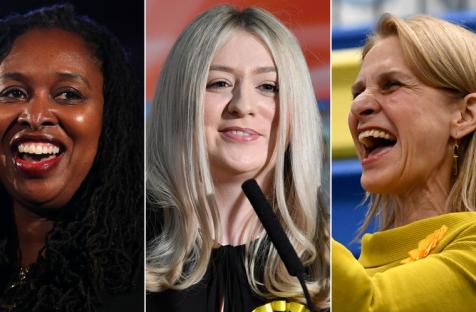
Members of Portugal's new parliament took up office on Friday, among them the country's first black women lawmakers who campaigned on promises to fight racism and inequality.
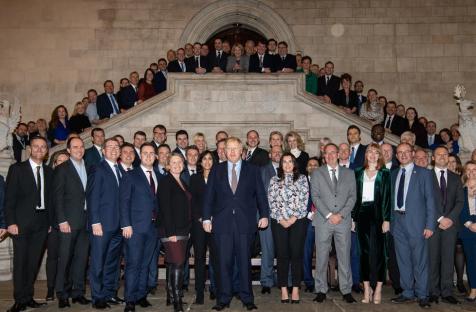
Monday’s federal election saw a new record – the most female Members of Parliament elected to the House of Commons.
Observers say female candidates systematically threatened with physical, sexual violence to deter them from running.
Looking back to her childhood in conflict-wracked Kosovo, Vjosa Osmani remembers listening quietly as dozens of men gathered in her father's living room to discuss the political future of the breakaway Serbian province.