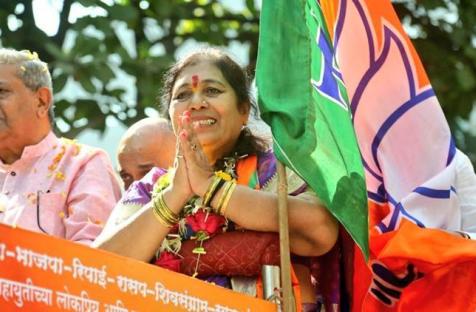
The newly-elected 17th Lok Sabha set the record with highest number of woman: 78 MPs. However, Prime Minister Narendra Modi’s cabinet, which was sworn-in on Thursday, in a largest-ever gathering, has only six women ministers in the government.
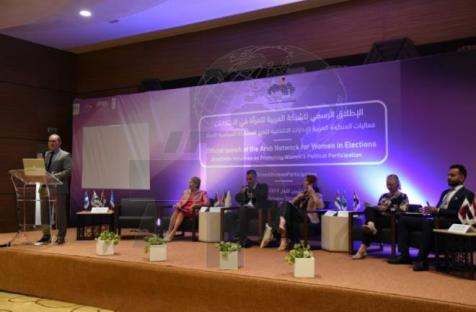
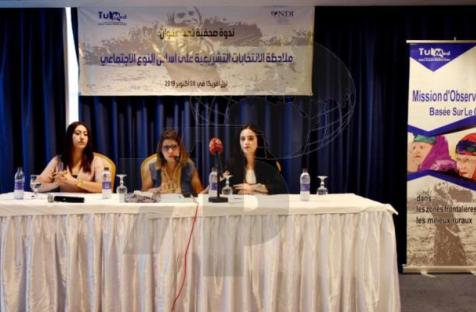
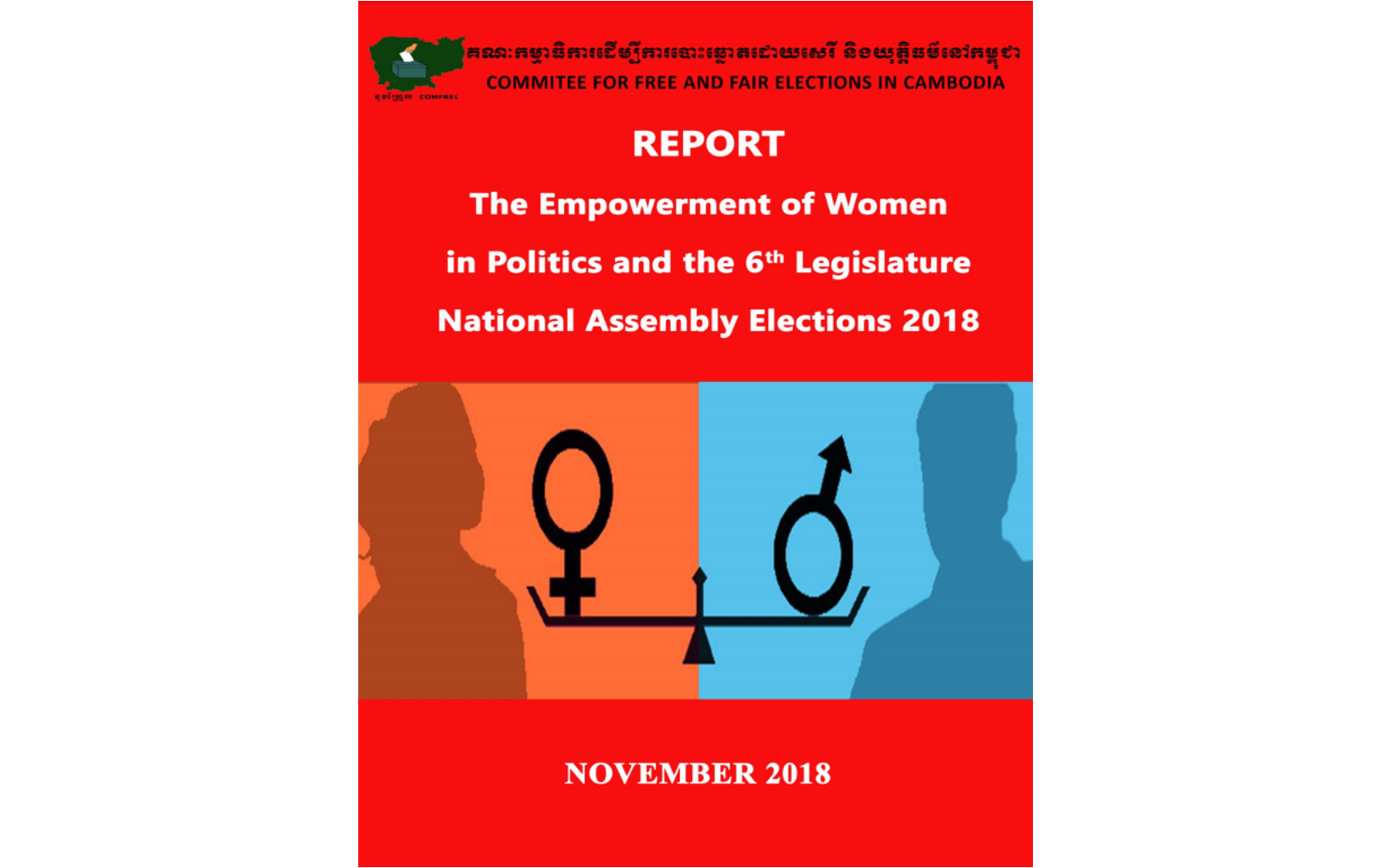
The right to vote and the right to stand for election are two fundamental elements of democracy. Notably, many countries did not afford women the right to vote until the 20th Century. Even today, universal suffrage is not a given right in all countries, and women often face obstacles that undermine their participation in political and electoral processes. There are various ways to support women in overcoming these obstacles. Such methods include revising the electoral system used, applying affirmative action mechanisms such as quotas, improving voter education for women and training political candidates. These are a few of the modes available to strengthen women’s political participation .Photo©Jens Franssen
The newly-elected 17th Lok Sabha set the record with highest number of woman: 78 MPs. However, Prime Minister Narendra Modi’s cabinet, which was sworn-in on Thursday, in a largest-ever gathering, has only six women ministers in the government.
Top court justice Brigitte Bierlein was named to become Austria's first female chancellor Thursday, tasked with forming a caretaker government until September's snap election.
Women will make up about 15% of the lower house of parliament — less than the global average.
The outcome of the world’s largest election is almost upon us – the counting of votes by 900m eligible voters begins on May 23.
The next federal parliament is set to have a record number of women but Australia still has a "long way to go" until it achieves gender parity in its corridors of power.
Swati Yadav had lost count of the number of village campaign stops she had made since her morning began — was it 27, or 28?
Women politicians have made it to the top headlines this poll season.
The Republic of Guinea adopted on 2 May, a Law on Parity that says women must make fifty per cent of the candidate lists for elective positions.
By Ruth Igielnik and Kim Parker,