Heena Gavit

Member of Parliament, India
The right to vote and the right to stand for election are two fundamental elements of democracy. Notably, many countries did not afford women the right to vote until the 20th Century. Even today, universal suffrage is not a given right in all countries, and women often face obstacles that undermine their participation in political and electoral processes. There are various ways to support women in overcoming these obstacles. Such methods include revising the electoral system used, applying affirmative action mechanisms such as quotas, improving voter education for women and training political candidates. These are a few of the modes available to strengthen women’s political participation .Photo©Jens Franssen

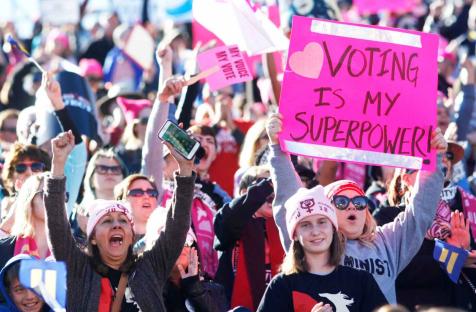
In 1973, Congress declared August 26th "Women's Equality Day."

By Nicole Carlsburg,
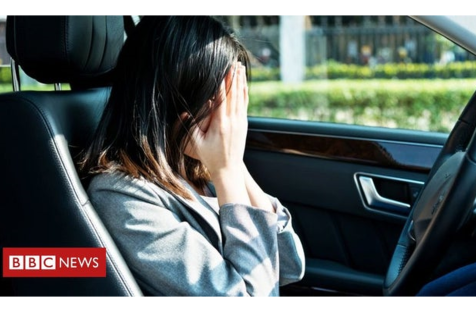
Despite a record number of women winning seats in Sunday’s Upper House election, some female voters have expressed doubts about the government’s commitment to empowering women.
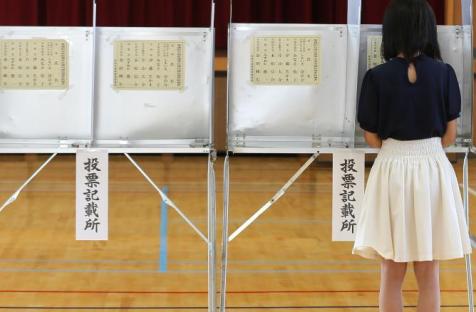
One of the world's most unequal parliaments could be about to get a lot more female, or ... maybe not.
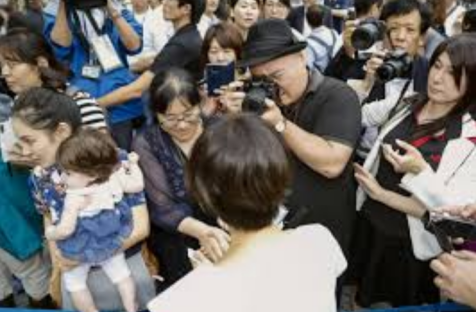
The ratio of female candidates for the upcoming Upper House election hit a record high, but whether the country can achieve its target of raising the percentage of female lawmakers in the Diet to 30 percent remains uncertain.
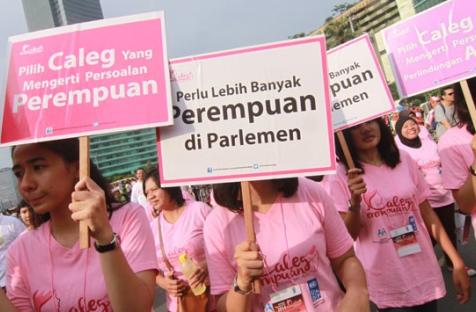
The General Elections Commission (KPU) released a report on its official Twitter account about women’s representation at the Indonesian parliament, which the commission deemed the highest&nbs
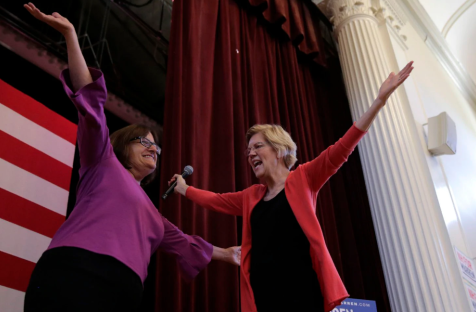
Over the last several years, debates between Republicans and Democrats have increasingly involved extremely
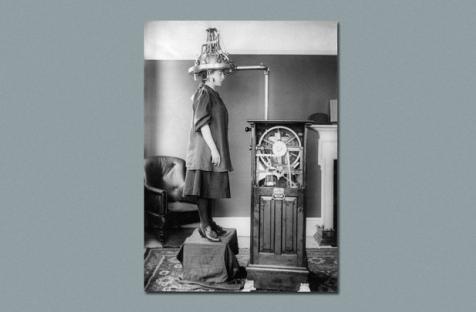
William T. Sedgwick believed that no good could come of letting women vote.