Elections
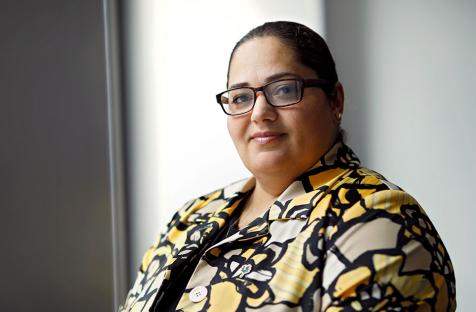
The right to vote and the right to stand for election are two fundamental elements of democracy. Notably, many countries did not afford women the right to vote until the 20th Century. Even today, universal suffrage is not a given right in all countries, and women often face obstacles that undermine their participation in political and electoral processes. There are various ways to support women in overcoming these obstacles. Such methods include revising the electoral system used, applying affirmative action mechanisms such as quotas, improving voter education for women and training political candidates. These are a few of the modes available to strengthen women’s political participation .Photo©Jens Franssen
Interviews
At a McAlister's Deli, tucked in one of the miles of strip malls that line Manchester Road among the shoulder-to-shoulder suburbs of west St.
Statewide, females make up 38 percent of candidates this year, compared to 32 percent in the prior election cycle.
Women’s rights groups in Malaysia have called on Pakatan Harapan to fulfil its promise of minimum 30% representation at the highest policy-making body in Malaysia.
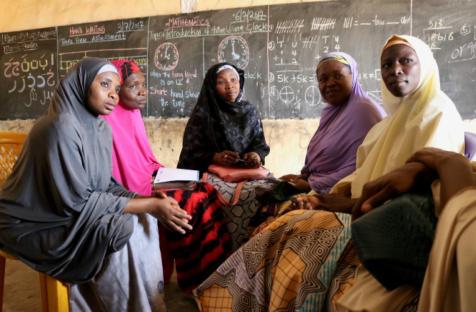
Youth and Society Organization (YAS) and Pan-African Civic Educators Network (PACENET) have reiterated the need for people in the country to change their perceptions and cultural beliefs that regard female politicians as underachievers.
Souad Abderrahim is from Tunisia's moderate Islamic party, which advocates for separating politics from religion.
In Zimbabwe, the enduring fear of single women
By Panashe Chigumadzi
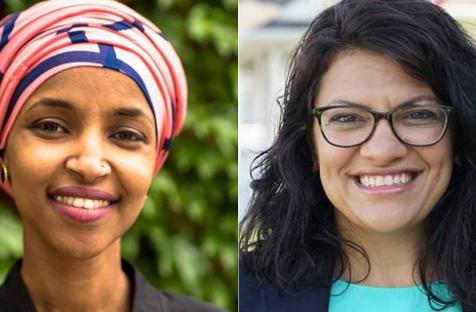
A millennial candidate has shaken up the US Democratic Party by defeating the incumbent congressman for his seat.
In July’s crucial election – the first since the fall of Mugabe – women hope to deliver a decisive blow against sexism.
Pagination
- Previous page
- Page 126
- Next page