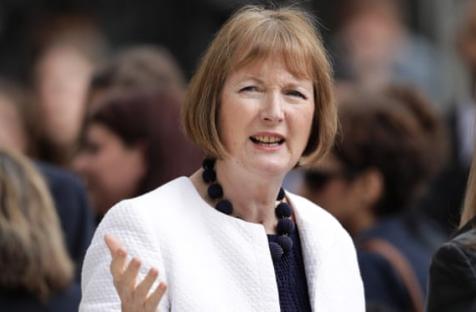
Souad Abderrahim is from Tunisia's moderate Islamic party, which advocates for separating politics from religion.
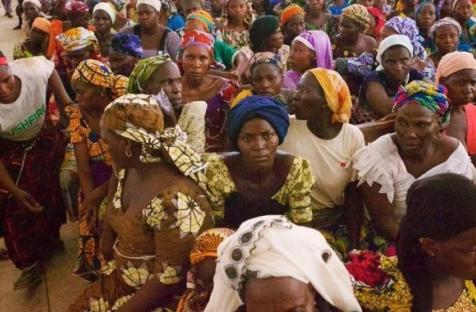
The right to vote and the right to stand for election are two fundamental elements of democracy. Notably, many countries did not afford women the right to vote until the 20th Century. Even today, universal suffrage is not a given right in all countries, and women often face obstacles that undermine their participation in political and electoral processes. There are various ways to support women in overcoming these obstacles. Such methods include revising the electoral system used, applying affirmative action mechanisms such as quotas, improving voter education for women and training political candidates. These are a few of the modes available to strengthen women’s political participation .Photo©Jens Franssen
Souad Abderrahim is from Tunisia's moderate Islamic party, which advocates for separating politics from religion.
By Panashe Chigumadzi
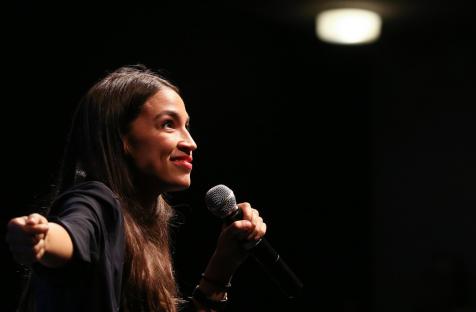
A millennial candidate has shaken up the US Democratic Party by defeating the incumbent congressman for his seat.
In July’s crucial election – the first since the fall of Mugabe – women hope to deliver a decisive blow against sexism.
The United Nations (UN) has introduced a Women Empowerment Project (WEP) in Salima to empower female aspirants ahead of the 2019 tripartite elections.
Ankara – June 25, 2018. A total of 103 women deputies have been elected to the 600-seat Turkey Parliament in the June 24 poll, according to unofficial data compiled from results provided by the state-run Anadolu Agency.
As the 2019 election is approaching, more women are beginning to express interest in contesting the presidential election on different political platforms.
The Independent National Electoral Commission, INEC has decried low participation of women in political processes.