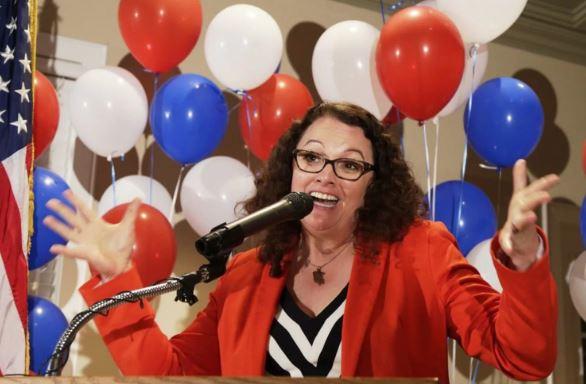
Video on women candidates and campaign finance
Women continue to be severely underrepresented in decision-making processes and bodies across the world at all levels.
The right to vote and the right to stand for election are two fundamental elements of democracy. Notably, many countries did not afford women the right to vote until the 20th Century. Even today, universal suffrage is not a given right in all countries, and women often face obstacles that undermine their participation in political and electoral processes. There are various ways to support women in overcoming these obstacles. Such methods include revising the electoral system used, applying affirmative action mechanisms such as quotas, improving voter education for women and training political candidates. These are a few of the modes available to strengthen women’s political participation .Photo©Jens Franssen

Women continue to be severely underrepresented in decision-making processes and bodies across the world at all levels.

By Blessing Aghimien,
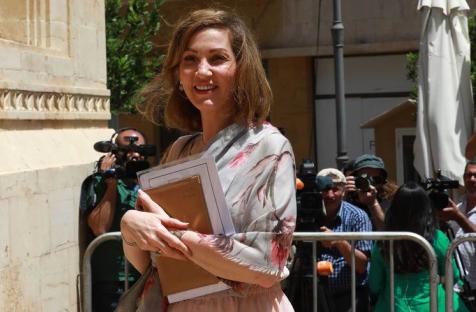
BEIRUT — Earlier this month, Lebanon voted in parliamentary elections to fill seats based on a new system of proportional representation.
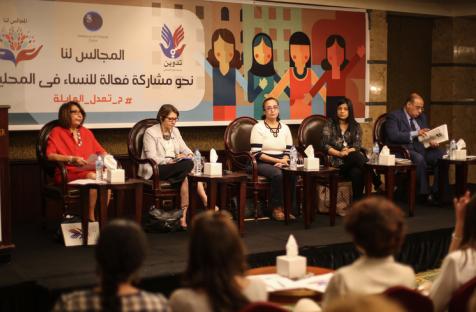
CAIRO — Egypt has yet to pass a law needed to hold local elections, but hundreds of women will not be wallflowers waiting for an invitation to run for office.
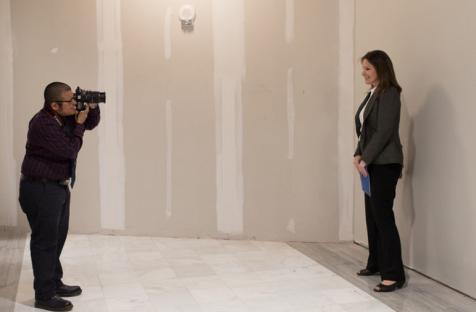
Just 35 women filed for one of the 125 Oklahoma legislative seats that were up for election in 2012.
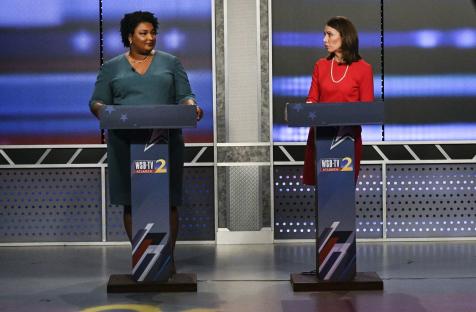
The historic wave of women running for Congress and governor this year already has landed 78 women on November ballots in several states.
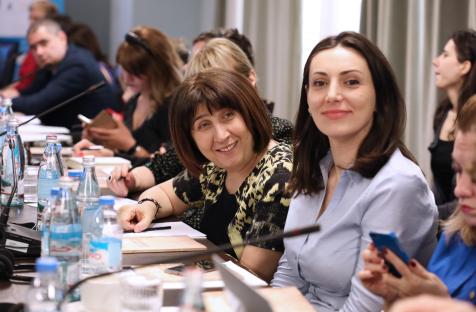
Is this the year of the woman in Georgia politics?
Based on the results of the May 22 primary election, including the local races, it may be.
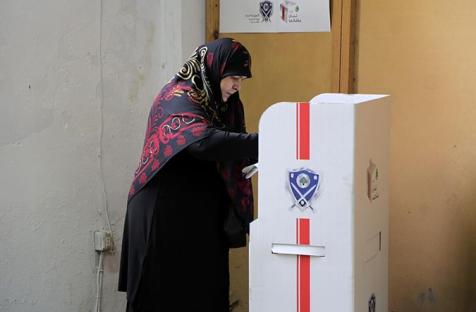
In its highly anticipated parliamentary election in almost ten years, Lebanon saw a record number of women on the ballot. An unprecedented 113 women registered as candidates, and 86 of them made it to candidate lists.