Men are far outpacing women in the total amount contributed in 2024 congressional races, according to a new analysis from The Center for American Women and Politics (CAWP), a unit of the Eagleton Institute of Politics at Rutgers University.
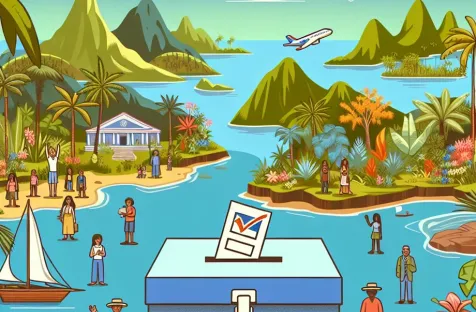
The right to vote and the right to stand for election are two fundamental elements of democracy. Notably, many countries did not afford women the right to vote until the 20th Century. Even today, universal suffrage is not a given right in all countries, and women often face obstacles that undermine their participation in political and electoral processes. There are various ways to support women in overcoming these obstacles. Such methods include revising the electoral system used, applying affirmative action mechanisms such as quotas, improving voter education for women and training political candidates. These are a few of the modes available to strengthen women’s political participation .Photo©Jens Franssen
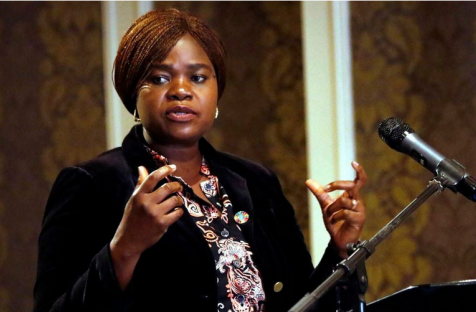
Men are far outpacing women in the total amount contributed in 2024 congressional races, according to a new analysis from The Center for American Women and Politics (CAWP), a unit of the Eagleton Institute of Politics at Rutgers University.
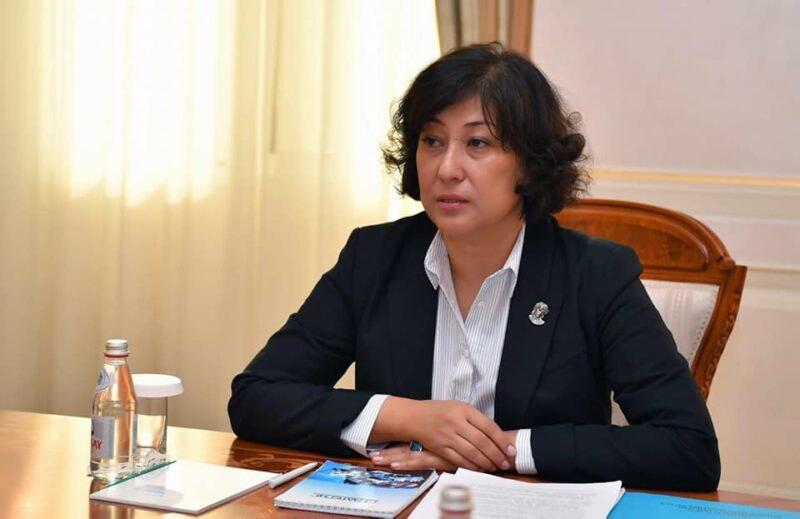
According to Gulmira Ileuova, a sociologist and the head of the Strategy Centre for Social and Political Research, gender equality in Kazakhstan has severely deteriorated.
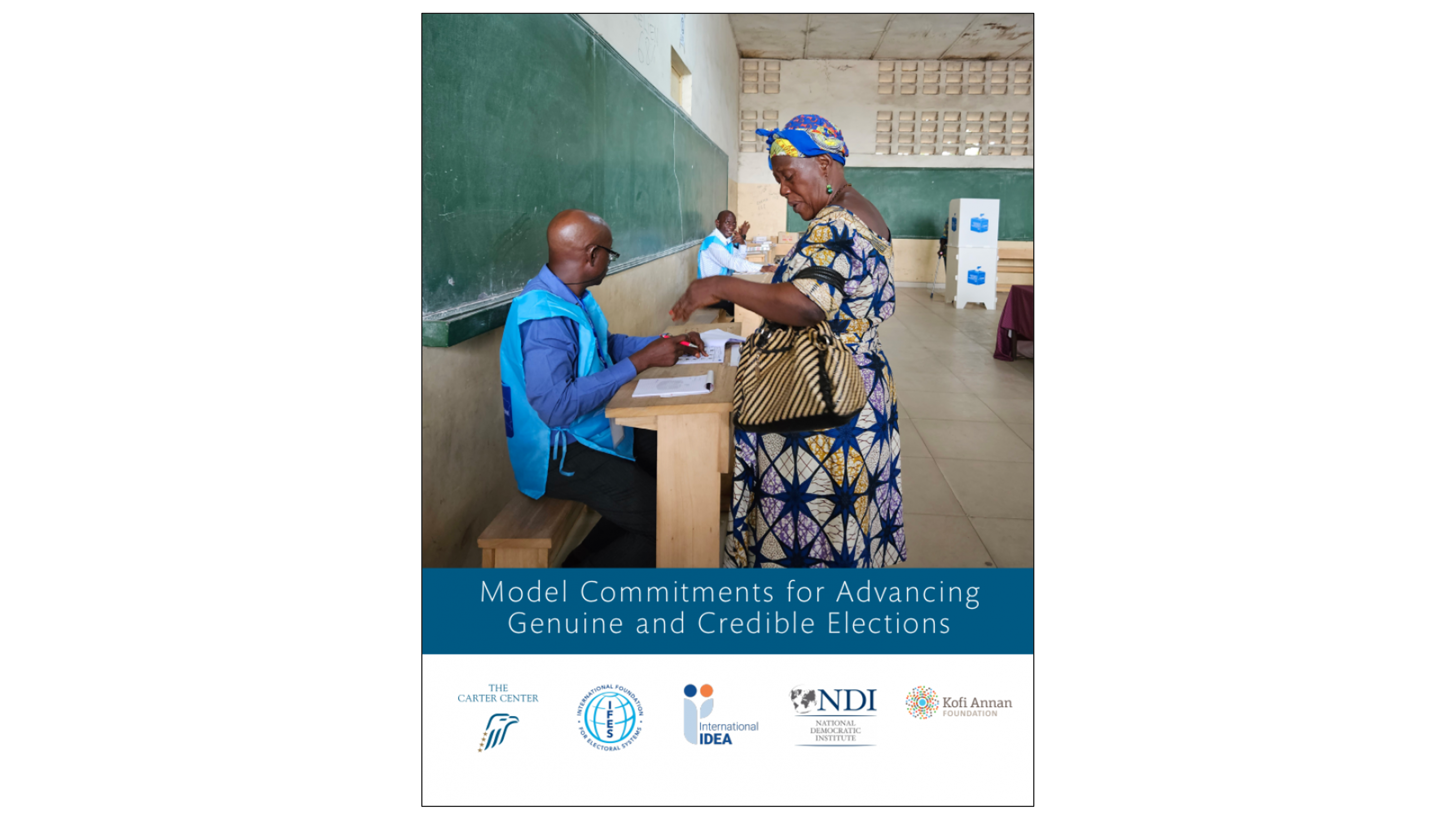
The International Institute for Democracy and Electoral Assistance, The Carter Center, the National Democratic Institute, the International Foundation for Electoral Systems, and the Kofi Annan Foundation announced today the release of Model Commitments for Advancin
COLOMBO, Sept 11 (Reuters) - Not one of the 38 contenders in Sri Lanka's presidential election this mon
In the mid-1990s, Arizona State University political scientist Kim Fridkin dubbed U.S.
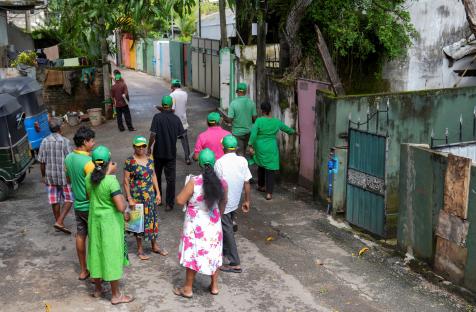
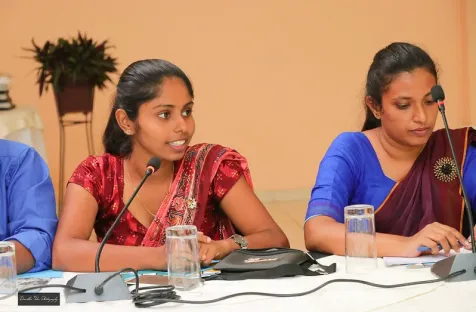
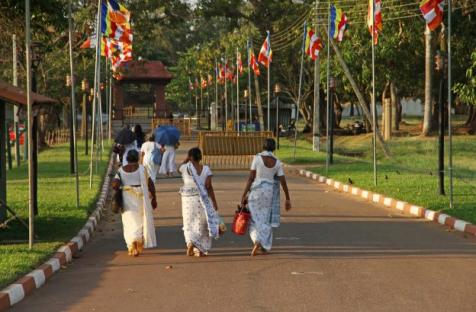
Despite making up over half the voters and workforce, women are starkly underrepresented in Sri Lanka's political landscape.
It is an enduring stain on Sri Lanka’s democracy and gender equality that only 4.8 percent of parliamentarians are women despite their high literacy rate and educational levels.
What you need to know:
Sri Lanka is gearing up for its ninth presidential election on September 21, but notably no women candidates are running for the highest office in the country.