Women and power: Overcoming barriers to leadership and influence'

‘Women and power: Overcoming barriers to leadership and influence’ is a case study developed as a result of the project ‘Women’s Voice and Leadership in Decision-Making project’.
The right to vote and the right to stand for election are two fundamental elements of democracy. Notably, many countries did not afford women the right to vote until the 20th Century. Even today, universal suffrage is not a given right in all countries, and women often face obstacles that undermine their participation in political and electoral processes. There are various ways to support women in overcoming these obstacles. Such methods include revising the electoral system used, applying affirmative action mechanisms such as quotas, improving voter education for women and training political candidates. These are a few of the modes available to strengthen women’s political participation .Photo©Jens Franssen

‘Women and power: Overcoming barriers to leadership and influence’ is a case study developed as a result of the project ‘Women’s Voice and Leadership in Decision-Making project’.
Only 25 perce
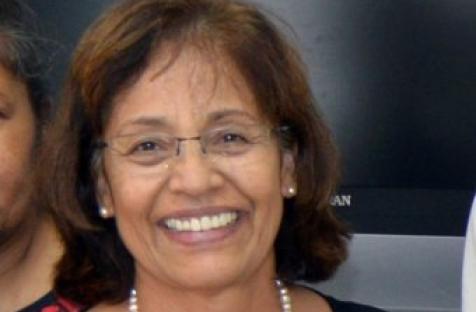
The Marshall Islands parliament has elected a new president, former Education Minister Dr. Hilda Heine, the first female leader of any independent Pacific island nation. Dr.
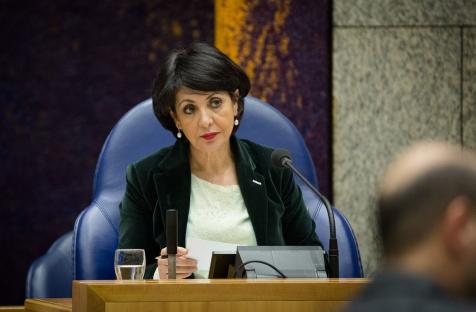
Labour MP Khadija
The Middle East has never tried giving a woman the position of president.

The Advocacy and Politics Workshop will take place in Dallas, on March 4, 2016.

