Elections
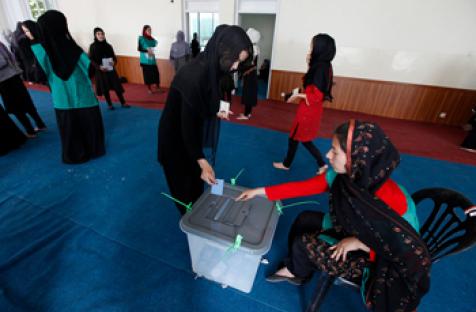
The right to vote and the right to stand for election are two fundamental elements of democracy. Notably, many countries did not afford women the right to vote until the 20th Century. Even today, universal suffrage is not a given right in all countries, and women often face obstacles that undermine their participation in political and electoral processes. There are various ways to support women in overcoming these obstacles. Such methods include revising the electoral system used, applying affirmative action mechanisms such as quotas, improving voter education for women and training political candidates. These are a few of the modes available to strengthen women’s political participation .Photo©Jens Franssen

October 7, 2014
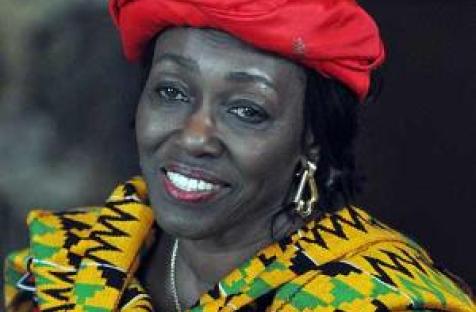
Female president will solve Ghana’s problems — Dr Baah
The Deputy General Secretary of the Trade Union Congress (TUC), Dr Yaw Baah, has said that the country’s economic problems could be solved when a female is elected as the president.

October 5, 2014
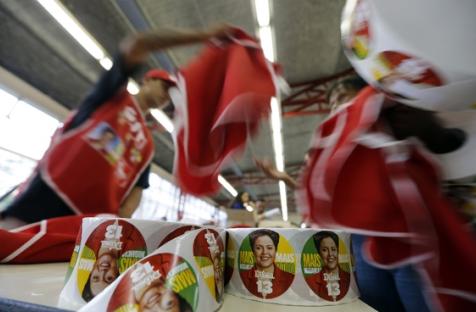
Brazil election: Dilma Rousseff to face Aecio Neves in run-off
Brazil's presidential race will go to a second r
Mulheres presidentes, impacto e movimento feminista-Eleições na América Latina
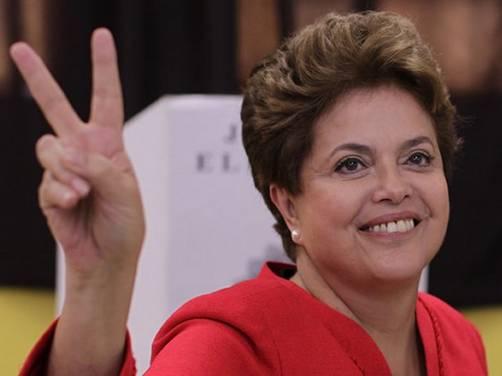
Although Brazil has enjoyed democracy for only 25 years, the current cabinet features a record number of female ministers (10 making up 26% of the cabinet). This stands in contrast to 2008 when Brazil was among the countries of the world with the lowest proportion of women in public office. Elections are scheduled to take place in October 2014, how has the increase of women’s political participation impacted the country in the last few years? How has it influenced Brazil’s feminist movement?" How does it influence the feminist movement in other Latin American countries? How does a female president open doors for other women?
September 22, 2014
Democrats Losing Their Grip On Women Voters, USA
Once women voters were considered to be a sure thing for Democratic candidates, but the tide appears to be turning, according to last week’s poll by the Wall Street Journal and NBC News.
September 14, 2014
2014 Theme: Engaging Young People on Democracy
Photo-Fardin Waezi / UNAMA
"I call on members of the largest generation of youth in history to confront challenges and consider what you can do to resolve them. To take control of your destiny and translate your dreams into a better future for all."
Women in Government
This wonderful infographic summarizes all the relevant data on women in all branches of government as well as legislation in place for women's political participation from around the world.
September 12, 2014
Poverty shuts women out of political posts, Tanzania
As the 2015 general elections approach many womena re beginning to call for free elections without corruption to give a chance for everyone to participate.