Gabrielle Bardall is an academic and an electoral assistance expert with a decade of experience supporting electoral processes in transitional states. She has worked in more than 25 countries with international organizations including UNDP, UN Women, DPKO, IFES, DRI, Carter Center and others.
Elections
The right to vote and the right to stand for election are two fundamental elements of democracy. Notably, many countries did not afford women the right to vote until the 20th Century. Even today, universal suffrage is not a given right in all countries, and women often face obstacles that undermine their participation in political and electoral processes. There are various ways to support women in overcoming these obstacles. Such methods include revising the electoral system used, applying affirmative action mechanisms such as quotas, improving voter education for women and training political candidates. These are a few of the modes available to strengthen women’s political participation .Photo©Jens Franssen

Gabrielle Bardall
Image

July 17, 2014
30 trained to contest elections
THIRTY Bahraini women are being trained to contest the upcoming parliamentary and municipal elections.
The four-phase programme, organised by the Supreme Council for Women (SCW), focuses on skills training, political empowerment of women, knowledge sharing and simulation activities.
July 17, 2014
Nine women to fight election, Bahrain
Nine Bahraini women have confirmed their candidacy for the upcoming parliament and municipal council elections.
However, they said they will reveal their election campaigns closer to the polls, which are expected to take place in November.
July 17, 2014
Umno has failed to promote women in politics — Dyana Sofya
Apparently, some people feel that Datuk Seri Dr Wan Azizah Wan Ismail may not be a suitable candidate for the Selangor menteri besar post because she suffers from “uzur syarie” (menses).
July 15, 2014
Ten women candidates from Nepal panel, nine from Oli emerge victorious
As the vote count at the UML general convention continues, 10 women candidates from Madhav Kumar Nepal panel and nine contestants from KP Oli have won the election to the Central Committee of the party.
July 15, 2014
Ready for the lists, say Uruguayan women
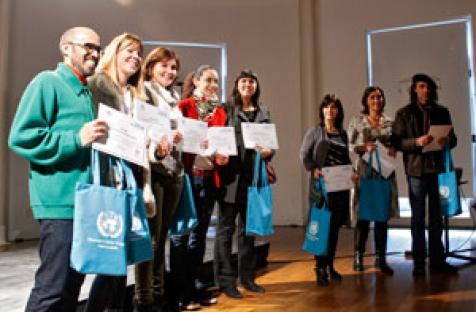
A new series of commercials featuring public figures, as well as workshops and support for women politicians from all parties, and a project to broaden the current quota law are all stimulating the participation of women in decision-making in Uruguay.
July 15, 2014
Australia's women's envoy tours Pacific to boost political participation
Australia's Ambassador for Women and Girls says Australia can help Pacific nations improve poor levels of female leadership.
Natasha Stott-Despoja is the head of an Australian delegation to Tonga to meet about 30 women in politics from around the region.